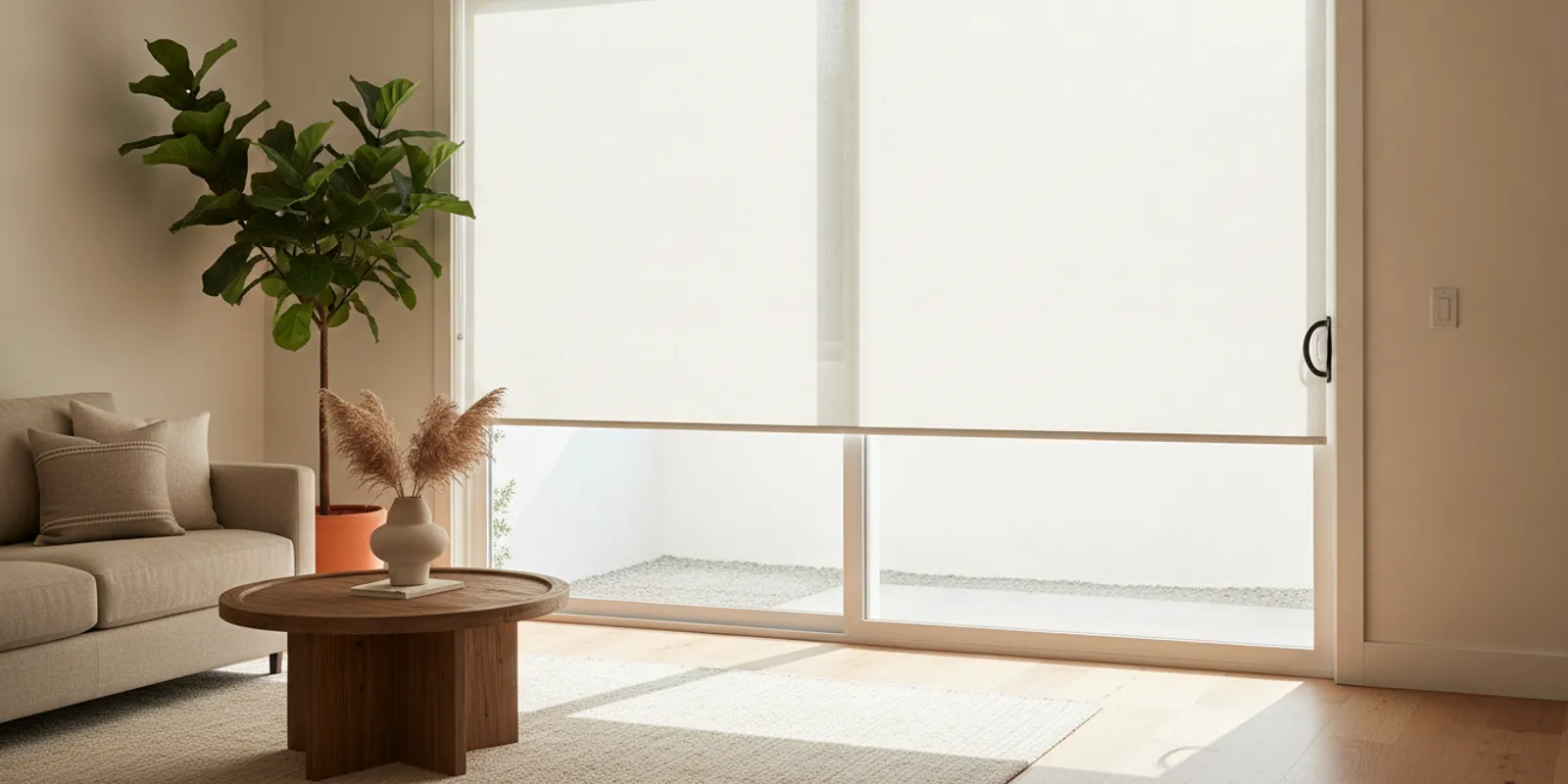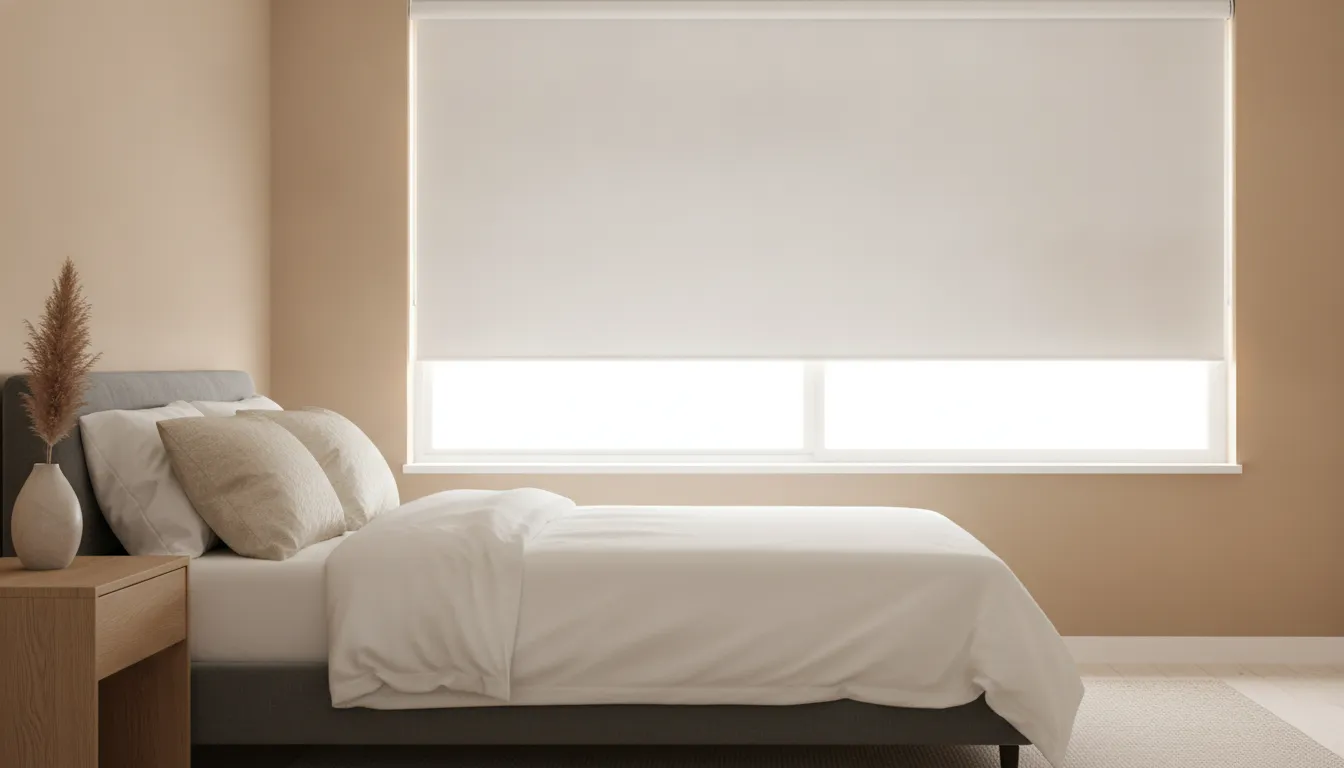
Southern California sunshine can turn ordinary windows into a major source of indoor heat, especially during long summer afternoons. If you are asking, are cellular shades good for blocking heat, the short answer is yes. Their honeycomb structure creates pockets of still air between the room and the glass, which helps slow heat transfer. The result is a more comfortable room without giving up every bit of natural light.
Q: Are cellular shades good for blocking heat? A: Properly fitted cellular shades help block heat by trapping air inside honeycomb cells and slowing heat transfer through the window. The U.S. Department of Energy identifies cellular shades as an effective window attachment for improving insulation and managing heat gain. Closing the shades over sun-facing windows during peak sunlight can improve comfort.
Call Vineyard Blind & Shutter at (951) 757-4188 for a free in-home consultation today.
The cells are only part of the answer. Cell construction, fabric, fit, window orientation, and daily operation all influence results. This guide explains the heat-blocking basics, shows how cell styles compare, and outlines what Southern California homeowners should review before choosing a treatment.
How Do Cellular Shades Block Heat?
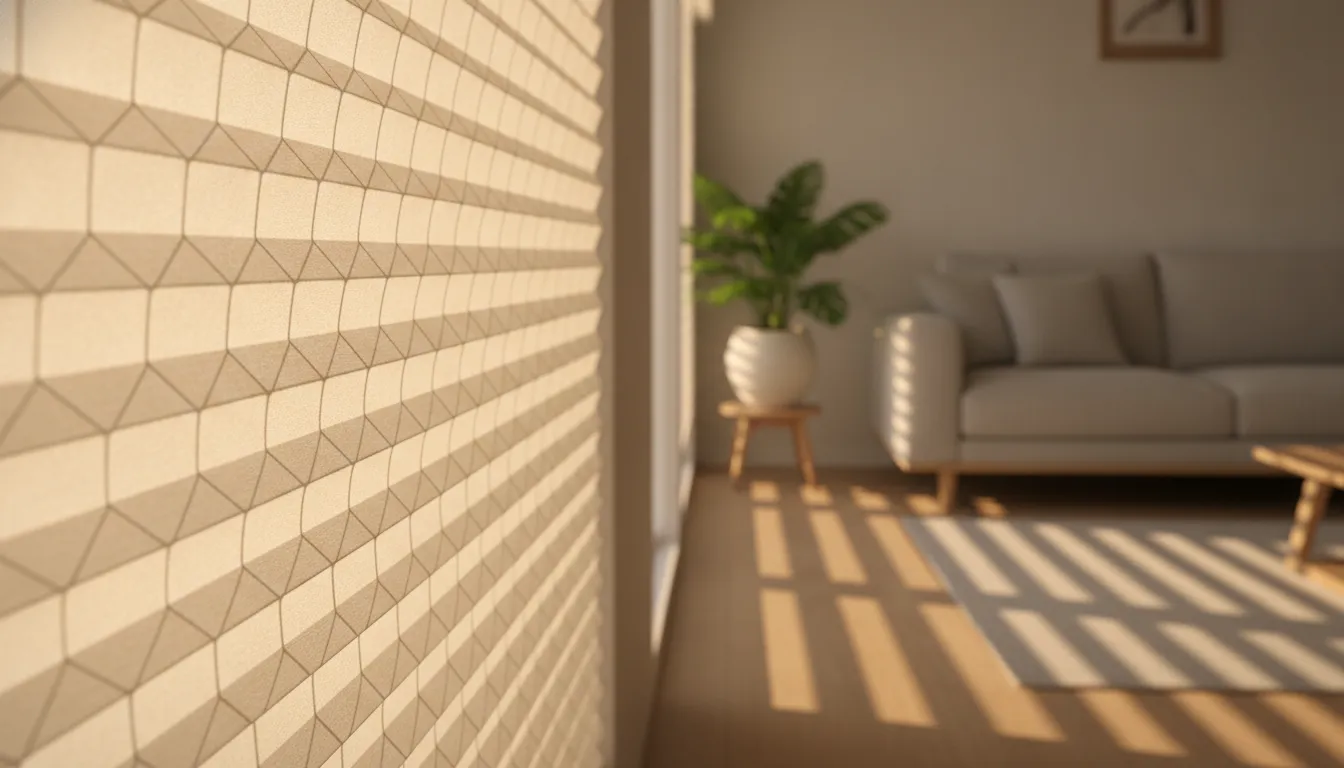
Cellular shades work by creating pockets of still air between the room and the glass. Their pleated fabric folds into connected honeycomb cells that trap air inside the shade, adding an insulating layer between the window and the room. Held in place, air conducts less heat than a solid path from hot glass to indoor air. The structure therefore slows heat movement through the window.
That matters because windows can be one of the weaker points in a home's thermal envelope. The U.S. Department of Energy notes that nearly 80% of homes in the United States have inefficient windows. Its cellular shades factsheet describes pleated fabric folded into honeycomb cells that trap air and help reduce heat transfer through the window.
On a hot afternoon, sunlight warms the glass. Without an effective window covering, that heat can radiate into the room and make the air conditioner work harder. Cellular shades do not eliminate heat at the window. But their honeycomb structure adds a thermal barrier that slows the exchange between hot outdoor conditions and cooler indoor air.
- Honeycomb cells trap air in individual pockets.
- The shade adds separation between heated glass and the room.
- The layered structure slows heat transfer instead of leaving a direct path indoors.
- Closed shades can limit direct sunlight during the hottest part of the day.
- A close fit helps reduce open gaps around the treatment.
Cell shape also affects performance. A single-cell shade has one row of air pockets, while double-cell designs add another layer of trapped air. More cellular structure may provide more insulation, but it can also affect fabric thickness, light control, and appearance. A close fit matters too. Gaps around the sides or bottom give sunlight and heat an easier path around the shade.
Are Cellular Shades Good for Blocking Heat in Southern California?
Yes. Cellular shades are good for blocking heat, especially when they are correctly sized and closed over sun-facing windows. They are not a substitute for efficient windows, insulation, or a well-maintained air conditioner. They can, however, reduce the amount of solar heat entering a room during the part of the day when direct light is strongest.
The U.S. Department of Energy explains that, during cooling seasons, about 76% of sunlight reaching standard double-pane windows becomes heat inside the home. A selected and fitted window covering interrupts that process before all of that heat reaches the room. The shade fabric and honeycomb pockets create a layer between the glass and living space. This layer helps reduce solar heat gain and the cooling load placed on the HVAC system. See the Department of Energy cellular shades factsheet for the supporting guidance.
A west-facing window can be a useful place to consider cellular shades because it receives strong late-day sunlight. South-facing glass may also contribute substantial heat gain depending on the home's design and surrounding shade. Keeping the treatment closed before the room overheats is more effective than waiting until the glass and nearby furnishings are already warm.
Energy savings are a potential reduction, not a guaranteed percentage on every utility bill. The Department of Energy reports that window attachments can save about 15% of a household's annual HVAC energy use. Actual performance varies with orientation, glass type, climate, air leakage, shade fit, and homeowner habits. For a broader look at window-treatment choices, read about energy-efficient window coverings.
Single-Cell vs Double-Cell vs Triple-Cell Cellular Shades
Cell construction affects how much air a cellular shade can trap between the room and window. More cells generally add insulation, but the right choice depends on the window, room, light preference, and budget. A single-cell product may be suitable for moderate heat control. A double-cell design can provide a stronger insulation layer. A triple-cell design may suit rooms with especially intense exposure when it is available for the selected product line.
| Shade type | Heat-control considerations | Light-control options | Potential fit |
|---|---|---|---|
| Single-cell | Provides a basic air-trapping layer and can help moderate solar heat. | Often available in light-filtering and room-darkening fabrics. | Rooms with moderate sun or homeowners prioritizing a lighter profile. |
| Double-cell | Adds another air-trapping layer for stronger insulation potential. | Can provide substantial glare and light control with the right fabric. | Sun-facing rooms where heat control is a higher priority. |
| Triple-cell | Adds the most cellular structure of these three configurations. | Performance depends on the available fabric and opacity. | Very exposed windows where maximum cellular depth is worth evaluating. |
Double-cell shades create an additional air-trapping layer compared with single-cell designs. Triple-cell shades add still more structure, although product availability and fabric choices vary. A consultation can clarify whether the extra depth offers a useful benefit for a particular window rather than assuming that the thickest option is always best.
What Features Matter When Choosing Heat-Blocking Shades?
Honeycomb construction is the starting point, but it is not the only detail that determines practical performance. Two shades with the same basic cell style can feel different in a room because of their fabric, fit, exposure, and operation.
Check for independent energy information
When comparing products, ask whether the shade carries an Attachments Energy Rating Council certification or another independently evaluated energy rating. Independent information can make product comparisons clearer than broad marketing language. The Department of Energy cellular-shades factsheet discusses energy performance and points homeowners toward evaluating window attachments carefully.
Match fabric to heat, glare, and privacy needs
Fabric appearance matters, but opacity and density also influence light and glare. A room-darkening option may make sense for a bedroom or media room. A light-filtering fabric may work better where natural light is important. Blackout fabric is not required for every thermal application because the primary insulating feature is the honeycomb construction. The best choice balances solar exposure, privacy, room use, and appearance.
Prioritize fit and daily operation
A properly sized shade should cover the opening closely, with mounting and side gaps considered during measuring. A poor fit can leave pathways for sunlight and warm air, reducing the practical benefit of the cells. Closing shades before peak afternoon sun reaches the glass can also matter more than choosing a premium fabric and leaving it raised during the hottest hours.
- Close shades before peak afternoon sun reaches the glass.
- Choose opacity for the room's actual glare and privacy needs.
- Ask how mounting position affects side gaps.
- Compare cell depth with the window's exposure.
- Consider how often household members will operate the treatment.
- Review energy-rating information when it is available.
Cellular shades can provide value beyond the hottest months. Their air-trapping structure can help limit heat loss through windows during cooler weather as well. For a closer look at insulation-focused options, read about insulated cellular window shades.
Why Does Custom Fit Matter for Heat Control?
Cellular shades work by trapping air inside honeycomb-shaped pockets, but the shade still needs to fit the opening well. A stock shade that is too narrow can leave gaps at the sides. One that is too short may leave exposed glass above or below the fabric. Those openings allow light and heat to affect the room even when most of the shade is lowered.
A properly measured custom shade creates closer coverage around the window. It will not make the window completely airtight, but reducing open space helps the honeycomb structure work more consistently. This matters on sunny Southern California windows, where a small gap can let a bright beam of heat into a bedroom, office, or living area.
Custom sizing also lets the treatment be selected around the window's orientation, frame depth, room use, and light-control needs. A west-facing room may need a different fabric from a shaded bedroom. A large opening may require a different configuration from a standard window.
Vineyard Blind & Shutter brings a mobile showroom to your home, allowing you to compare samples in your own lighting and decor. The team can discuss cellular construction, fit, and light-control options, then provide professional measuring, design, and installation. Explore custom window shades, custom blinds, and custom shutters for more window-covering options.
How Can a Free In-Home Consultation Help?
Choosing cellular shades from a small sample can be difficult. A color that looks neutral in a showroom may appear warmer in your living room. A fabric that seems opaque may filter more light than expected after installation. Vineyard Blind & Shutter brings its mobile showroom to your home, so you can compare options in the rooms where they will be used.
The consultation can focus on the windows that receive the strongest afternoon sun. You can compare fabrics and cell styles while discussing heat, glare, privacy, and room use. This room-by-room approach helps avoid choosing one treatment for every window without considering how each opening performs.
- See cellular fabrics and colors in your home's natural and artificial light.
- Discuss heat, glare, privacy, and operating needs.
- Review free professional measuring and design recommendations.
- Plan professional installation after selection.
- Ask about available military, senior, and law-enforcement discounts.
Vineyard Blind & Shutter is veteran-owned and provides local service across San Diego County, Riverside County, and Orange County. Learn more on the company story page, then visit the contact page to request a free in-home consultation.
- Identify the windows that receive the strongest afternoon sun.
- Compare cell styles, fabrics, and opacity in each room.
- Confirm measurements, mounting, and operating preferences.
- Choose the treatment that balances heat control, light, privacy, and budget.
Frequently Asked Questions About Blocking Heat With Cellular Shades
Are cellular shades good for blocking heat?
Yes. Cellular shades help block heat by trapping air inside honeycomb-shaped pockets, which creates an insulating layer between the glass and the room. Proper fit and closed shades over sun-facing windows can reduce solar heat gain and improve comfort during hot Southern California afternoons.
Do I need blackout cellular shades for thermal insulation?
No. Cellular construction provides the primary insulating benefit, so blackout fabric is not required for every window. Room-darkening fabric can further limit direct sunlight and glare, which may suit bedrooms, media rooms, or intensely bright windows.
Are double-cell cellular shades better at blocking heat?
Generally, double-cell cellular shades have more insulation potential than single-cell designs because they add another layer of air-trapping pockets. The best choice still depends on window exposure, fit, fabric, room use, and available product specifications.
Do cellular shades help with heat loss in winter?
Yes. The same air pockets that slow heat entering a home in summer can help reduce heat escaping through windows in winter. Cellular shades offer year-round insulation potential, although results depend on the window, installation, fit, and consistent operation.
Call Vineyard Blind & Shutter at (951) 757-4188 for a free in-home consultation today.
Schedule Your Free In-Home Cellular Shade Consultation
A professional look at your windows can help you compare cellular shade options, evaluate fit, and choose a practical approach to managing heat. Vineyard Blind & Shutter brings the consultation to you, so you can consider fabrics, light control, and operation in your own rooms. To schedule a free in-home consultation, call Vineyard Blind & Shutter at (951) 757-4188.