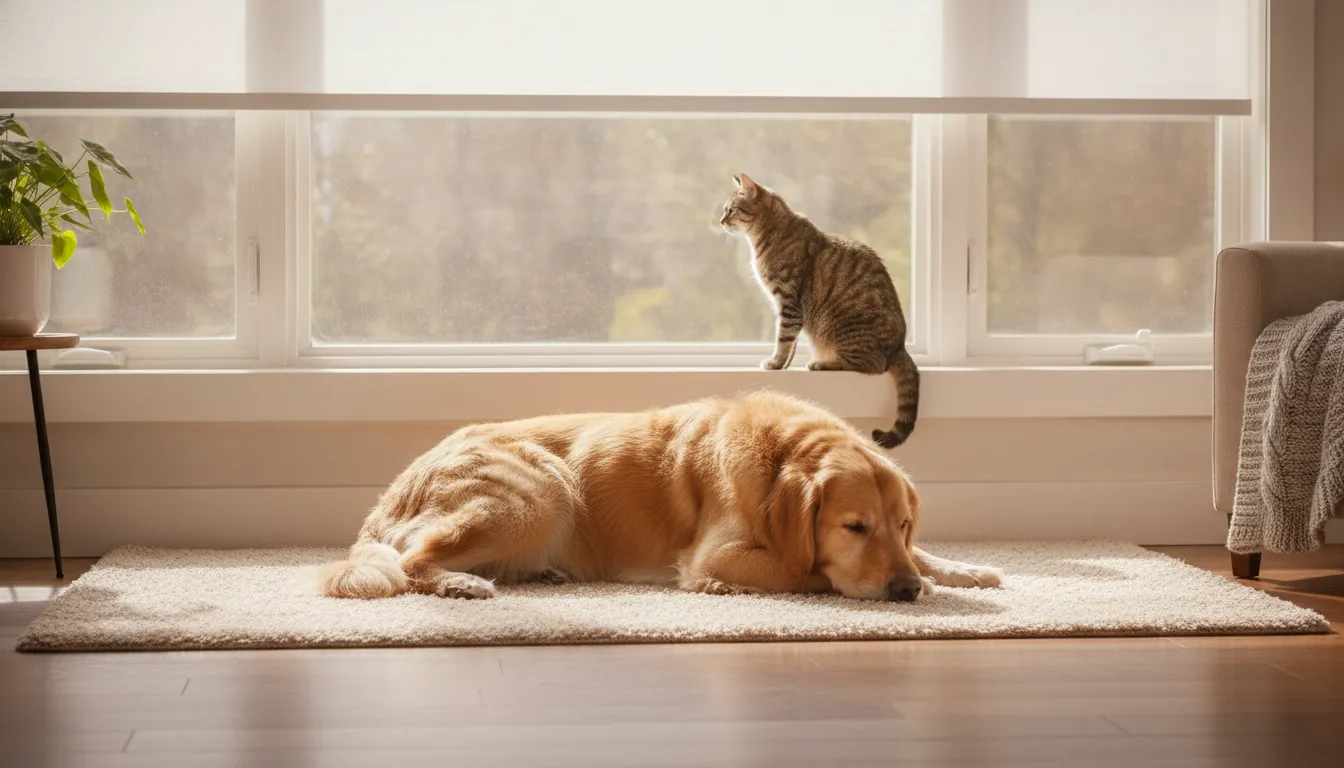
Pets investigate everything within reach, including the window coverings that frame their favorite sunny spots. A safe choice should account for more than appearance. It should keep cords out of the way, stand up to claws and curious mouths, and make daily cleaning manageable.
Q: What are the best pet safe blinds and shades? A: Cordless roller shades, faux wood blinds, and cordless shutters are strong choices because they remove dangling cords and offer durable, easier-to-clean surfaces. The U.S. Consumer Product Safety Commission identifies cordless coverings as the only option that eliminates the window-cord strangulation hazard: CPSC guidance.
Call Vineyard Blind & Shutter at (951) 757-4188 for a free consultation today.
The right solution can differ between a cat that climbs and a dog that watches the street from the sill. Understanding the safety risk first makes it easier to compare materials, operating systems, and custom-fit options with confidence.
Why Pet Safety Should Guide Your Window Treatment Choice
For pet owners, the operating system deserves as much attention as the color and fabric. A window treatment can look beautiful and still create an avoidable hazard if it leaves a dangling cord within reach of a curious cat or dog. Cord loops can catch around a neck, collar, or body, and strangulation can happen in moments. It may also happen silently, so an adult in the next room may not realize that a pet is in distress.
The safest design decision is to choose a cordless window covering. The U.S. Consumer Product Safety Commission states that cordless coverings are the only option that fully eliminates the strangulation hazard from operating cords. The Window Covering Safety Council's cordless-safety campaign, available through windowcoverings.org, reinforces the same principle: remove accessible cords whenever possible instead of relying on supervision alone.
That makes safety a product-selection issue, not simply a training or furniture-placement issue. Before comparing slat widths, opacity, or finishes, look at how the treatment lifts, tilts, and mounts. A properly selected custom blind or shade should keep hazardous operating parts out of your pet's normal reach, even when the animal jumps onto a sill to watch the street.
Which cord hazards should pet owners remove?
Inspect every existing window covering, especially older blinds and shades, rather than assuming a familiar product is safe. Pay attention to both the visible pull cord and any looped or inner cord hidden in the headrail. The main dangers to avoid include:
- Dangling pull cords that hang low enough for a pet to reach, chew, or become entangled in.
- Continuous-loop cords without a secure tension device that keeps the loop fixed to the wall or window frame.
- Loose cord loops beside beds, sofas, pet furniture, toys, or other places where an animal may climb.
- Older blinds with inner cords that can form dangerous loops as the slats are raised.
- Operating cords positioned beside a favorite lookout, crate, cat tree, or sunny resting spot.
Move beds, furniture, toys, and pet-accessible climbing surfaces away from window cords, preferably to another wall. This is an important temporary safeguard, but it does not make a corded treatment equivalent to a cordless one. If replacement is not immediately possible, shorten exposed pull cords as much as possible and investigate an appropriate retrofit kit. These steps reduce risk, but they do not remove the hazard completely.
A consultation should therefore begin with your pet's habits and the room layout. A mobile showroom makes it easier to review cordless blinds, shades, and shutters in your actual windows and lighting. Once the safety baseline is set, durability, cleaning, privacy, and style can guide the final choice without putting appearance ahead of protection.
What Blinds Are Safe for Cats?
For cats, the safest window covering is one that can handle climbing, scratching, and curious paws without creating easy access points. In most homes, that means choosing a durable material, a cordless operating system, and a precise fit rather than selecting a style based on appearance alone.
Faux wood blinds for scratching and climbing
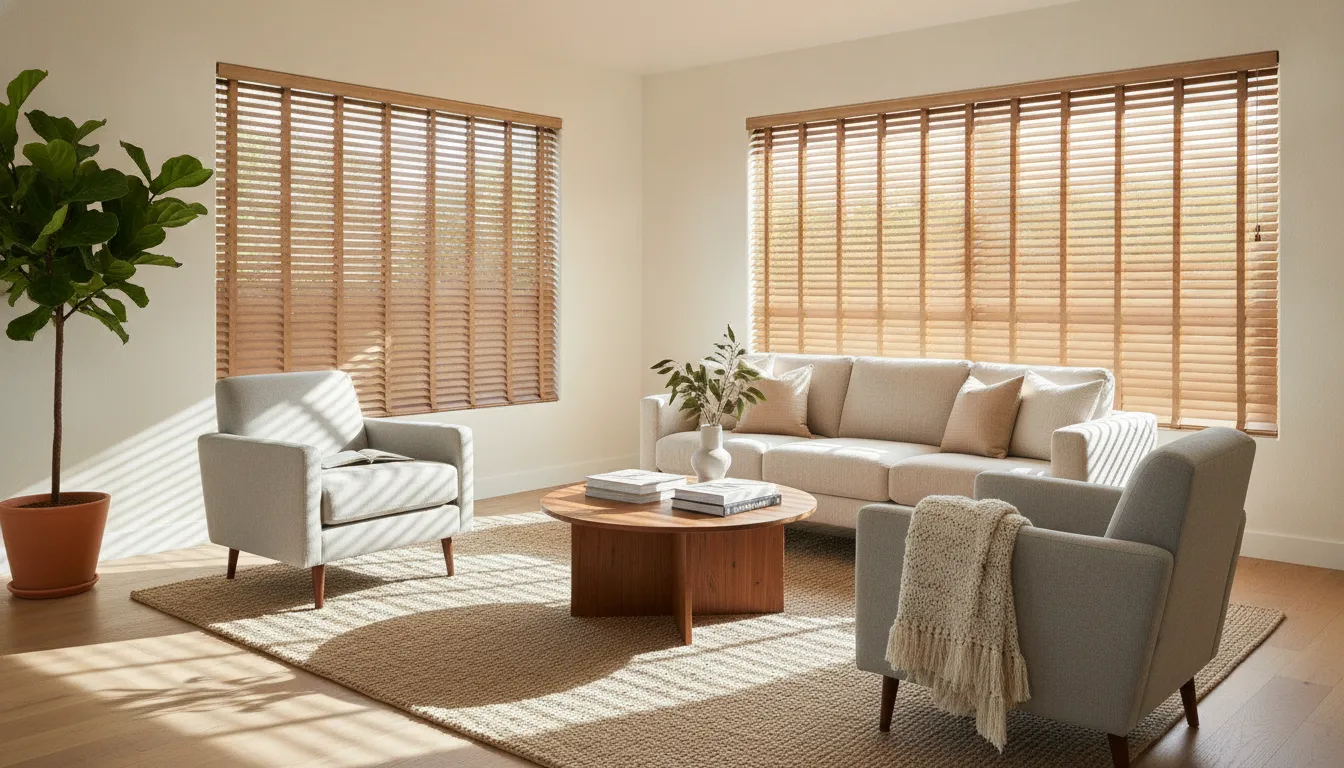
Faux wood blinds are a strong choice for cat owners who want the look of painted or stained wood with better resistance to everyday pet wear. Compared with natural wood or aluminum, faux wood is less likely to show damage from scratching. Which makes it a practical option for windows near a cat tree, sofa, or favorite perch. The rigid slats also provide a more substantial surface than thin fabric treatments.
Material is only part of the decision. Ask about a cordless lift so there is no dangling operating cord for a cat to bat at, chew, or become tangled in. The U.S. Consumer Product Safety Commission advises choosing cordless window coverings when possible because cords can create dangerous loops. You can review Vineyard's custom faux wood blinds options to compare styles built around your window and daily routine.
Why cordless roller shades work well for cats
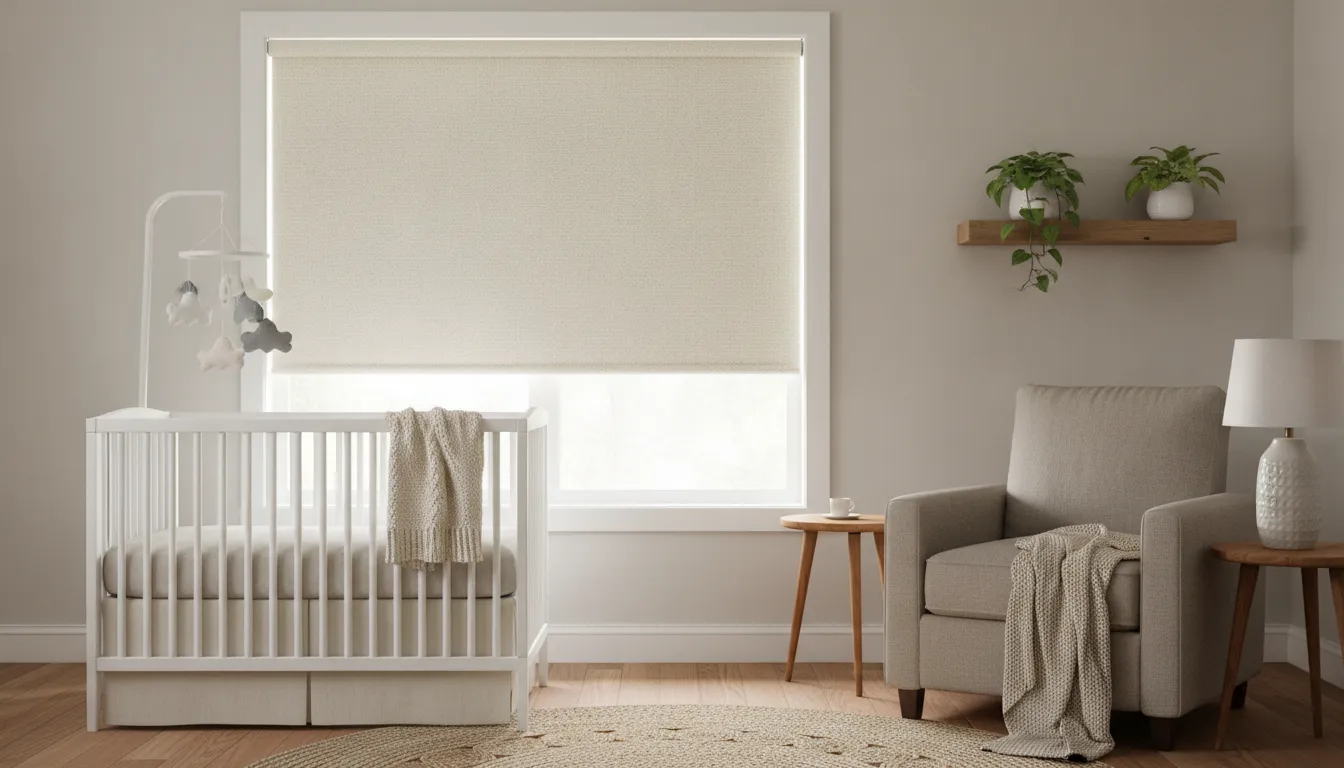
Cordless roller shades are another practical option, especially when a cat spends time behind or beside the window covering. They have no horizontal slats for a cat to chew, bend, pull apart, or get stuck between. Their smooth profile also makes it harder for a curious animal to turn the shade into a climbing structure. Many roller shades can be wiped with a damp cloth, which is useful where fur and nose prints collect.
Different cats need different solutions. A shade in a quiet bedroom may need to block glare. While a living-room window may need a durable screen fabric that still lets a cat watch outdoor activity. Vineyard can bring samples through its mobile showroom, so you can see colors, openness, and textures in the lighting where the shade will actually be used. That helps prevent a fabric choice that looks right in a showroom but shows every scratch or hair at home. Explore the pet-friendly shades range when comparing cordless roller and other shade styles.
Fit matters as much as the covering
Custom measuring is especially valuable for cat owners. A close, properly installed fit reduces the gap behind the covering where a cat might slip, hide, or become trapped. It also helps keep the treatment secure if a cat jumps onto the sill. For the best pet safe blinds and shades, consider the window's location, the cat's habits, the lift mechanism, and the installation details together.
The Best Pet Safe Blinds and Shades for Dogs
Dogs may press their noses against the glass, paw at moving shadows, lean into the covering while watching the street, or bump it when excited. That daily contact makes the operating mechanism and material equally important. The best choice is a covering that is cordless, durable, securely fitted, and practical to clean.
| Option | Best for | Cord-free | Durability | Cleaning |
|---|---|---|---|---|
| Cordless faux wood blinds | Everyday rooms that need light control | Yes | Resists scratching better than wood or aluminum | Wipe with a damp cloth |
| Cord-free roller shades | Clean, modern look in busy rooms | Yes | No slats to chew, bend, or get stuck in | Easy damp-cloth clean |
| Plantation shutters | Long-term, built-in style | Yes | Rigid, durable against bumps and pressing | Dust louvers, wipe panels |
| Cordless cellular shades | Adding insulation and comfort | Yes | Durable honeycomb fabric | Dust according to care guidance |
Cordless faux wood blinds balance durability and style
Cordless faux wood blinds are a strong all-around option for households that want the familiar look of painted wood without choosing a delicate surface. Faux wood is generally more resistant to scratching than natural wood or aluminum, which matters when a dog paws at the lower slats or rubs against the window. Choose a cordless lift, and there is no dangling operating cord for a curious dog to grab, chew, or become tangled in.
Faux wood also gives you control over privacy and daylight. You can tilt the slats to give your dog a view without leaving the room exposed. A custom fit helps treatments sit securely and leaves fewer gaps where a dog might push behind the blind. Ask about a finish that can be wiped clean.
Cord-free roller shades keep the window simple
Cord-free roller shades remove slats that dogs might bend, chew, or get caught in. Their smooth surface creates a cleaner, more modern appearance, while a cordless operating system keeps the lift area away from paws and teeth. Roller shades are also a practical choice for busy rooms because many can be cleaned with a damp cloth when shedding. Dust, or muddy marks become part of the routine.
Choose a fabric and mounting system suited to the window's location. A window beside a dog bed or favorite lookout deserves a durable, easy-care material. Motorization can eliminate operating cords altogether, but plan control placement and remote storage around your dog's access.
Plantation shutters are a durable long-term choice
Plantation shutters are rigid, durable, and completely cord-free when properly installed. That makes them well suited to dogs that repeatedly press against or bump window coverings. The solid frame and louvers can provide a stable, built-in feel, while the louvers let you adjust light and privacy without exposing cords or loose fabric.
For a classic look with strong everyday performance, consider cordless plantation shutters. Custom measuring helps ensure the panels operate smoothly. The right option depends on your dog's habits, window height, and the room's sun or moisture exposure.
Whatever style you choose, cordless should be the starting point, not an afterthought. Window Covering Safety Council guidance explains the importance of choosing cordless window coverings to reduce cord-related hazards. Review the operating system carefully at the consultation, then pair it with a material that can handle your dog's normal behavior. That combination delivers a safer, more durable treatment without sacrificing the look of the room.
How Durable Materials Stand Up to Scratching and Chewing
Cord-free operation addresses one part of pet safety. The material itself must also handle claws, teeth, noses, and repeated trips to the window. A covering that looks attractive on installation day but scratches or bends, or breaks easily. Can become a maintenance problem and create loose pieces that a curious pet may investigate.
Faux wood blinds are often the practical choice for active households. Compared with natural wood or aluminum, faux wood is better able to resist scratching and everyday wear. That does not make it indestructible. But it gives homeowners more margin when a cat climbs onto a sill or a dog paws at a slat while watching activity outside. The smooth surface is also straightforward to dust and wipe during routine cleaning. Faux wood is commonly recommended as a durable pet-friendly option.
Why faux wood can outperform natural wood
Natural wood blinds bring warmth and a classic finish, but their surface can be more vulnerable to visible scratches. For a calm room with limited pet access, that may be an acceptable tradeoff. In a high-activity area, however, a damaged wood slat can stand out quickly and may be costly to replace. Faux wood offers a similar visual direction while prioritizing resilience, which makes it a stronger alternative when durability is more important than the character of real wood.
Aluminum can be lightweight and useful in some applications, but thin slats may bend when pets push against them. Ask about slat thickness, finish, and how the blind will be secured rather than judging a product by appearance alone. A custom fit can also reduce gaps and limit the chance of a pet slipping behind the covering. Vineyard Blind & Shutter provides custom blinds for Southern California homes, allowing the window, sill, and pet habits to be considered together.
Materials and parts to avoid
Soft vinyl and very thin fabric shades may be easy for a determined pet to chew or tear. They are not automatically unsafe in every room, but they deserve extra caution near a favorite perch, crate, or play area. Also inspect the operating mechanism and end caps. If a slat or component breaks, small pieces should not be accessible or easy to swallow. Pet-safe design means considering the failure mode, not just the product when it is intact. Avoiding easily chewable materials and small detachable parts is a sensible screening step.
For budgeting, faux wood blinds commonly fall in a realistic range of roughly $250 to $600 per window, depending on size, configuration, finish, and installation. A professional in-home consultation helps compare that investment with the likely repair or replacement cost of a less durable option.
Why Cordless and Motorized Options Are the Safest Choice
For a home with a curious cat or active dog, the operating system matters as much as the material. A treatment can look durable, but a dangling lift cord creates a separate hazard that does not disappear because a pet is supervised. The U.S. Consumer Product Safety Commission identifies cordless window coverings as the only option that fully eliminates the strangulation hazard associated with window-covering cords. Dangling cords can form loops, and a serious incident can happen in moments. CPSC safety guidance recommends choosing cordless products whenever possible.
Why cordless is the safest baseline
A cordless lift removes the loose pull cord that a pet might bat, chew, catch with a collar, or reach while climbing onto a sill. It also gives you a simpler daily routine. You raise or lower the shade from its bottom rail rather than managing a cord that needs to be secured after every use. Many modern window treatments now come standard with cordless lift systems, so safe choices are easier to find than they once were.
When shopping, look for the word cordless in the product description. Do not assume that a clean appearance means the treatment has no accessible cords. Ask what lift system is included, where the operating mechanism sits, and whether any inner cords or loops remain. If an older blind has internal cords or a dangling pull, replacement is the best long-term solution. Until replacement is possible, keep furniture and pet-accessible climbing surfaces away from the window and make any existing pull cords as short as possible. Shortening a cord reduces risk, but it does not provide the same protection as removing it.
When motorization adds another layer of protection
Motorized treatments remove operating cords entirely, providing an even cleaner safety profile for windows near pet beds, sofas, and favorite lookout spots. They are especially useful for large windows, high openings, or rooms where reaching the shade manually would be awkward. Vineyard Blind & Shutter specializes in motorized options, so the control method. Mounting position and daily use can be planned around your home rather than added as an afterthought.
Good design also keeps the mechanism out of reach. Even if a pet jumps onto a sill, the treatment should not expose accessible cords, loose hardware, or tempting parts. A professional measurement helps the covering fit the opening closely and supports secure installation. During a free in-home consultation, Vineyard can bring samples to your home, review how your pets use each room, and help compare cordless, motorized, and cord-free shutter options. The goal is a treatment that protects the window, works naturally for your household, and lets your pet enjoy the view without creating a new point of danger.
Are Vertical Blinds Safe for Active Pets?
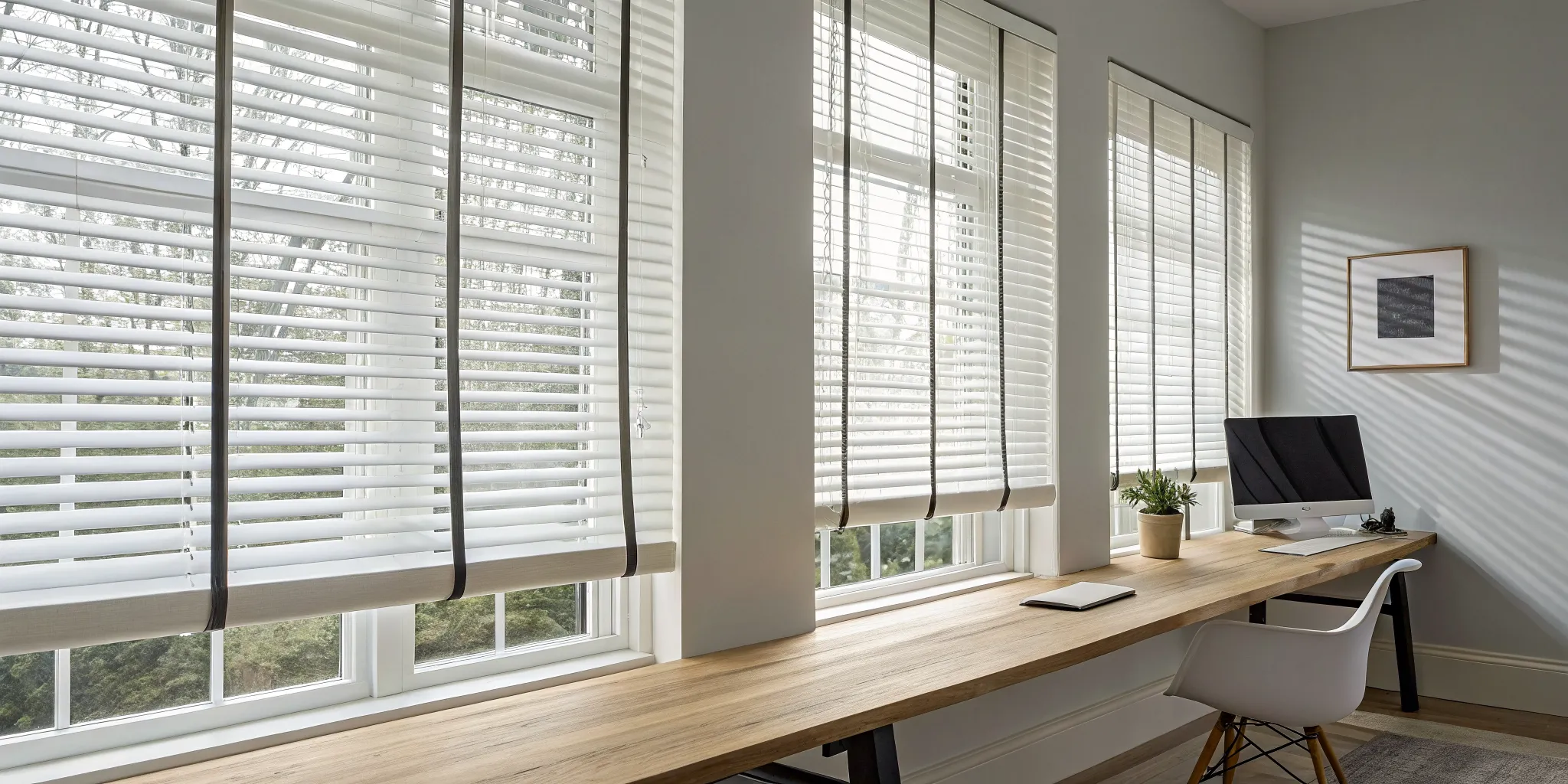
Vertical blinds can be a practical choice for wide windows and sliding glass doors, but they deserve extra caution in homes with energetic dogs or curious cats. The long hanging vanes move easily, which can make them tempting for a pet that watches birds, people, or activity outside. A pet may push between the vanes, paw at them, or jump against the window covering while trying to reach the glass.
That activity creates two separate concerns. First, a pet can become tangled in the long vanes or pull the blind hardware down while trying to look out the window. This risk is especially relevant in rooms where pets spend time unsupervised or where furniture gives them a launch point. Vertical blinds are considered risky for active pets for these reasons.
Second, the individual slats can be bent, cracked, or pulled out of alignment. Even when nobody is injured, a damaged vane can leave the covering looking uneven and operating poorly. Replacing several damaged slats may also become an ongoing cost if the window is a favorite observation spot. A sturdy material helps, but it does not remove the basic problem of long, flexible pieces within easy reach.
When can vertical blinds work?
Vertical blinds may be reasonable in a low-traffic room where pets rarely climb, scratch, or press against the window. If you already have them, keep nearby furniture away from the glass, check the carriers and operating hardware regularly, and watch for bent vanes or loose parts. Do not assume that a pet-safe setup is based only on the absence of a dangling cord. The shape, reach, and accessibility of the entire window covering matter.
Safer alternatives for busy pet areas
For a high-activity room, cordless faux wood blinds, roller shades, or shutters are usually better choices. Faux wood blinds provide a more rigid surface than vertical vanes, while roller shades have no slats for pets to chew, bend, or get stuck in. Shutters are another durable, cord-free option when you want a fixed structure around the window. A custom fit can also reduce gaps where a pet might try to slip behind the covering.
If your priority is a cleaner, less accessible design, explore pet-friendly shades and compare the operating system as carefully as the fabric or color. Vertical blinds are not automatically unsafe in every home. But they are rarely the best pet safe blind option for windows that attract daily jumping, pawing, and close-up investigation.
How to Choose Easy-Clean Fabrics for Shedding Pets
Pet hair, muddy paws, and the occasional nose print can turn a beautiful window treatment into one more surface to scrub. The best fabric is not necessarily the softest or most decorative option. Look for a material and operating style that lets you remove dust without snagging hair, crushing delicate fibers, or giving an inquisitive pet something to chew.
Start by checking the care instructions before choosing a shade. Wipeable surfaces are usually more practical than very thin woven fabrics in rooms where pets spend much of their time. Very thin fabric can trap hair in its texture. And soft or easily chewable materials may not hold up around a puppy or cat that paws at the window. A smooth shade gives you a better chance of handling everyday messes with routine dusting and spot cleaning.
Cordless roller shades are a particularly practical choice for shedding pets. They are often easy to clean with a simple damp cloth, so a small mark does not require removing the shade or using specialized products. Their streamlined surface also avoids the individual slats where hair and dust can collect. Choose a washable or wipeable fabric finish when available, and confirm the recommended cleaning method with your window-treatment professional before applying any solution.
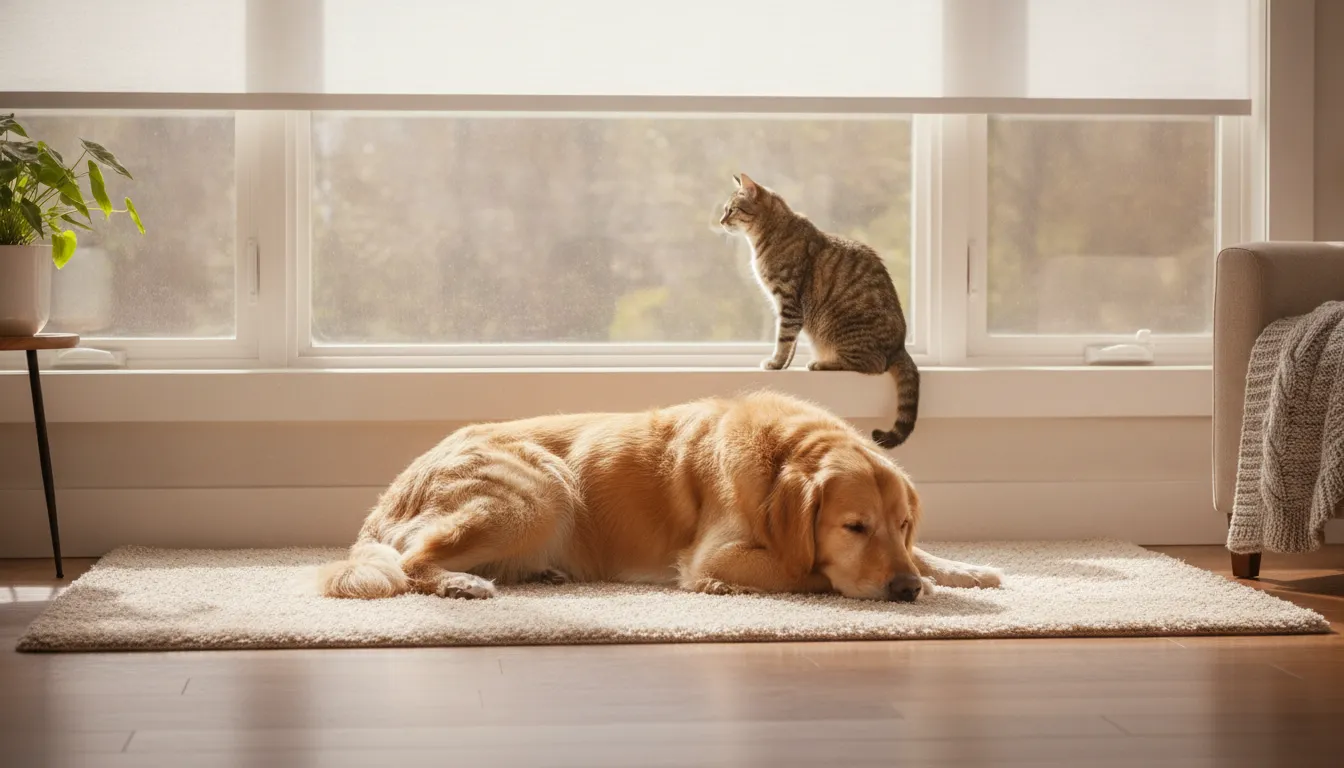
Cellular shades deserve consideration when comfort is as important as cleanup. They are typically available with cordless operating systems and add insulation, helping rooms stay more temperature-controlled and comfortable for pets throughout the year. Their honeycomb construction is designed for insulation, however, so it should be dusted according to the manufacturer's care guidance rather than scrubbed aggressively.
Use the room and your pet's habits to narrow the choice:
- For a window beside a dog bed or feeding area, prioritize a smooth, wipeable roller-shade fabric.
- For sunny rooms that become hot or cold, consider cordless cellular shades for added insulation.
- For cats that climb or reach toward the glass, ask about a clean fit and a cordless lift with no dangling parts.
- For any high-traffic area, avoid very thin fabric that traps hair or materials your pet can easily chew.
You can compare pet-friendly shades and review the differences between roller and cellular styles in our guide to pet-friendly roller shades. A free in-home consultation also lets you evaluate samples in the room's actual light, while discussing cleaning needs, pet behavior, and the right fit for each window.
Call Vineyard Blind & Shutter at (951) 757-4188 to find pet-safe window coverings for your home.
Frequently Asked Questions
What are the best blinds and shades for dogs?
Roller shades, shutters, and cordless faux wood blinds are strong choices because they reduce dangling parts and stand up well to curious noses, nails, and everyday wear. Roller shades have no horizontal slats to chew or bend, while properly installed shutters are rigid and cord-free. Choose a cordless operating system and a material that is easy to wipe clean.
What type of blinds are most cat-resistant?
Faux wood blinds and cordless roller shades are practical options for cats. Faux wood generally resists scratching better than natural wood or aluminum, while roller shades remove slats that a cat could climb through, chew, or become caught in. A precise custom fit can also reduce gaps where a cat might slip behind the covering.
Are cordless blinds safer for pets?
Yes. Cordless window coverings eliminate dangling operating cords, which the U.S. Consumer Product Safety Commission identifies as a strangulation hazard. Cords can form loops, and an entanglement may happen silently. If replacement is not immediately possible, keep furniture and toys away from cords and make pull cords as short as possible. Source: U.S. Consumer Product Safety Commission.
Are roller shades a good option for pet owners?
They are often an excellent fit for homes with shedding pets. Cordless roller shades have a smooth surface that can typically be cleaned with a damp cloth, and their streamlined design avoids slats that pets may pull or damage. For rooms that need added insulation, consider a cordless cellular shade, then choose the fabric and fit based on your pet's habits.
Ready to Choose Pet-Safe Window Coverings?
A free in-home consultation makes it easier to compare cordless blinds, shades, and shutters in your own rooms and lighting. You can discuss your pets' habits, review suitable materials, and plan a practical fit for each window. Call Vineyard Blind & Shutter at (951) 757-4188 to schedule a free in-home consultation and walkthrough of pet-safe window coverings.