Living in Southern California is all about embracing the natural light and beautiful scenery. The last thing you want is a window treatment that blocks that gorgeous sunshine or obstructs your view of the backyard. While any shutter gives you control, the frame on a traditional set can subtly shrink your window's glass area. For homeowners who want to maximize every inch of daylight and enjoy an uninterrupted view, frameless shutters are a game-changer. Because they are installed directly onto the window casing without a surrounding frame, they provide a completely open look when the louvers are tilted. This guide will show you how this modern, streamlined design can help you brighten your home and make the most of your views.
Key Takeaways
- Choose frameless for a modern, built-in look: This style removes the outer frame for a clean, minimalist design that makes your rooms feel brighter and more open while maximizing your view.
- Solve challenges with specialty windows: Frameless shutters are the ideal functional choice for tilt-in windows, uniquely shaped arches, and narrow sidelights where a standard frame would be impractical.
- Rely on professional installation for a perfect fit: Since frameless shutters leave no room for error, precise measurements and expert installation are essential to avoid gaps and ensure your shutters function beautifully for years.
What Are Frameless Shutters?
When you picture window shutters, you probably imagine panels neatly set inside a decorative frame that mounts to your wall. Frameless shutters offer a different approach. Simply put, they are shutter panels installed directly onto your window casing or the surrounding wall, completely eliminating the outer frame. This creates a clean, minimalist look that integrates seamlessly with your window, making it appear as though the shutters are a natural part of the architecture.
This style is all about achieving a sleek, unobtrusive finish. Instead of the window treatment being a distinct element, it becomes one with the window itself. While traditional framed shutters are a timeless choice for their structure and classic appeal, the frameless option provides a modern alternative that’s perfect for certain homes and design visions. The choice between them often comes down to the specific type of window you have, the style of your room, and the overall aesthetic you want to achieve. Understanding the key differences will help you decide which path is the right one for your space.
Frameless vs. Traditional Shutters
The biggest difference between frameless and traditional shutters lies in the structure. A traditional frame does more than just look good; it serves several practical purposes. It supports the weight of the shutter panels, helps them align perfectly, and provides an extra barrier to block light from seeping in around the edges. Since most window openings aren't perfectly square, a frame is also great at hiding minor imperfections for a flawless finish. Frameless shutters, on the other hand, rely on the window casing itself for support, with hinges mounted directly to the surface. This gives you a more streamlined look but requires a perfectly square and level window for the best results.
Key Design Features
The defining feature of frameless shutters is their modern, integrated appearance. They are an excellent solution for specific situations where a traditional frame might feel too bulky or simply won’t work, such as on uniquely shaped windows or in creative design projects. Because the panels are mounted directly to the window trim, the installation requires absolute precision. The mounting surface must be completely flat and level to ensure the plantation shutters hang correctly and operate smoothly. This attention to detail results in a sophisticated, custom-built look that puts the focus squarely on the clean lines of the shutters and the view outside.
The Benefits of Going Frameless
If you love the classic style of shutters but want a more modern, streamlined feel, frameless shutters might be the perfect fit. By removing the outer frame that typically surrounds the shutter panels, you get a clean look that comes with some surprising practical advantages. This design choice integrates the shutter directly into your window opening, creating a seamless appearance that can make a room feel bigger and brighter. Whether you're updating a contemporary home or looking for a clever solution for a tricky window, going frameless offers a unique combination of style and function. Let's walk through the key benefits to see if this minimalist approach is right for your space.
Achieve a Sleek, Modern Look
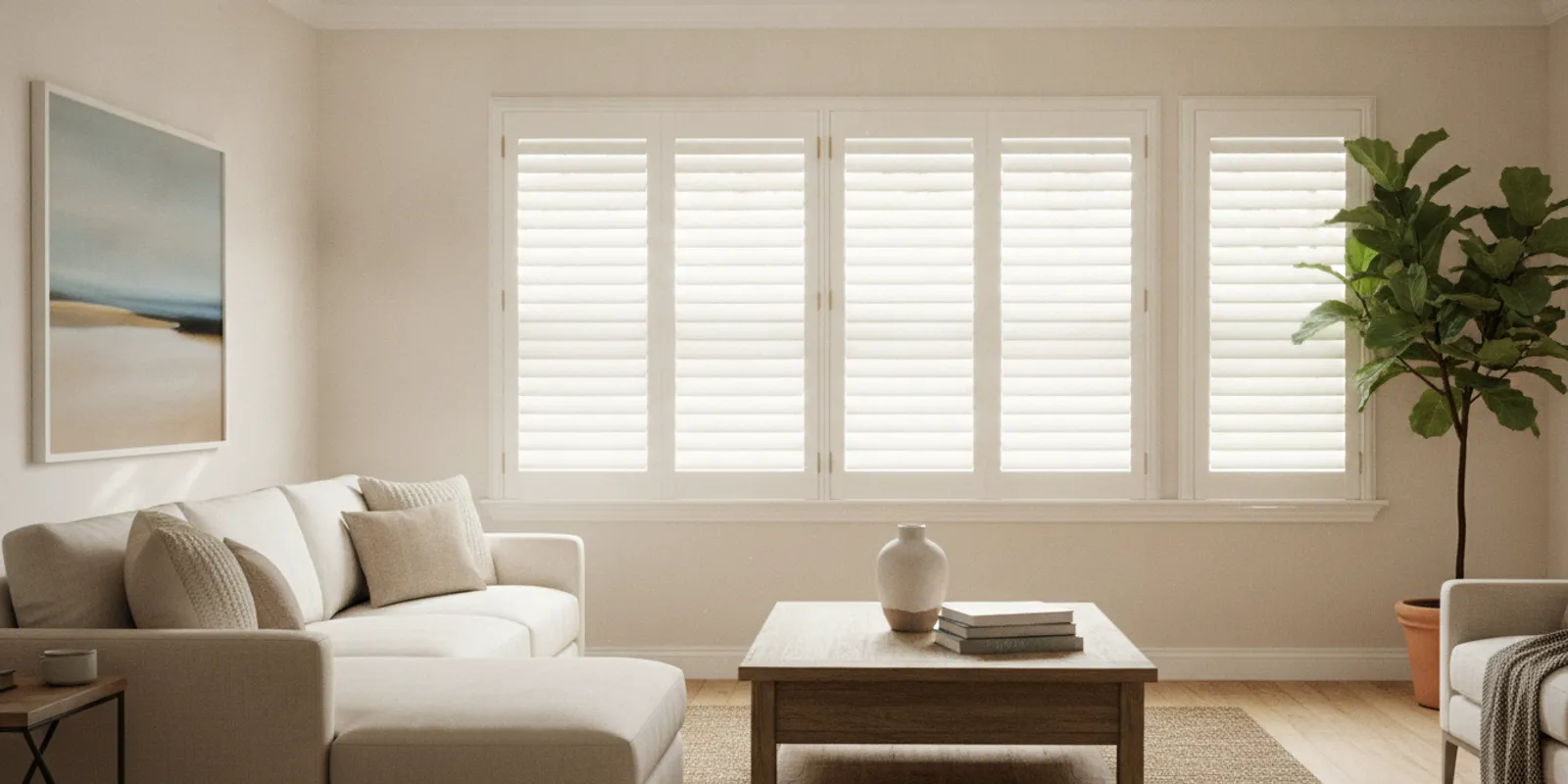
Frameless plantation shutters are simply the shutter panels themselves, mounted directly inside your window opening without a decorative frame around the edges. This simple difference creates a significant visual impact. The result is a crisp, minimalist aesthetic that blends seamlessly with contemporary, modern, and transitional decor. Instead of the window treatment being a bulky addition, it becomes an integrated part of the wall. This clean-lined approach makes rooms feel more open and less cluttered, allowing your architecture and views to take center stage. It’s a sophisticated choice for anyone looking to update their home with timeless shutters.
Maximize Natural Light and Views
One of the biggest draws of living in Southern California is the beautiful sunshine and scenery, and frameless shutters help you make the most of both. While a traditional frame can slightly reduce the glass area of your window, going frameless exposes every possible inch. This means more natural light floods into your room, creating a brighter and more inviting atmosphere. It also provides a completely unobstructed view when the louvers are open. If you have a stunning backyard, a poolside view, or a gorgeous landscape you want to enjoy, frameless plantation shutters ensure nothing gets in the way.
A Smart Solution for Tilt-In Windows
Do your windows tilt inward for easy cleaning? If so, frameless shutters are often the best—and sometimes only—option. A standard shutter with an inside-mount frame would physically block the window from tilting open, making a simple chore like washing windows a major hassle. By mounting the shutter panels directly to the window casing or jambs, you preserve the full functionality of your tilt-in windows. This practical design choice means you don’t have to sacrifice convenience for style. You get the beautiful look of shutters without compromising how your windows were designed to work.
The Perfect Fit for Unique Window Shapes
Not all windows are perfect rectangles. Homes often feature beautiful architectural details like arched windows, angled openings, or other unique shapes that can be challenging to cover. Frameless shutters offer incredible flexibility for these non-standard situations. Because they consist of just the panels, they can be custom-crafted to fit precisely within almost any opening where a traditional, four-sided frame wouldn't work. This makes them an ideal custom solution for preserving the character of your home while still getting the light control and privacy you need. It’s a perfect marriage of form and function for those one-of-a-kind spaces.
Are Frameless Shutters Right for Your Home?
Deciding on the perfect window treatment involves more than just style; it’s about finding a solution that fits your windows and your lifestyle. Frameless shutters offer a unique combination of modern design and practical function, but they aren't a one-size-fits-all solution. Let's walk through where they shine, which windows they suit best, and some common myths to help you determine if they’re the right choice for your space.
Best Uses in Homes and Businesses
Frameless shutters, which consist of just the shutter panels without a surrounding frame, deliver a clean, minimalist aesthetic. This makes them a fantastic choice for modern homes and contemporary business settings where you want an unobstructed view and a sleek finish. Because they integrate directly with your window opening, they create a seamless look that feels built-in. They are also a creative problem-solver for unique architectural spaces where a traditional frame might look bulky or simply won't fit. Whether you're updating a living room or designing a professional office, these shutters provide a sophisticated touch that complements your decor without overwhelming it.
Which Window Types Work Best?
Frameless shutters are particularly well-suited for specific types of windows. If your windows tilt inward for cleaning, a frameless design is often the best option, as a traditional inside-mounted frame would block the window from opening properly. They are also ideal for very narrow windows, like the sidelights you often see next to a front door. On a small window, a frame can take up valuable space, making the shutter panel itself look tiny and disproportionate. By going frameless, you maximize the glass and louver area, ensuring a clean, elegant fit. This is where a custom measurement becomes essential to get that perfect, edge-to-edge look.
Common Myths: Durability and Privacy
A few misconceptions about frameless shutters might give you pause, so let's clear them up. One common myth is that they are fragile. In reality, high-quality plantation shutters, whether framed or frameless, are built to last and can withstand daily use for years. Another concern is that shutters make a room too dark. This couldn't be further from the truth. The adjustable louvers give you complete control over natural light, allowing you to brighten a room or create privacy in an instant. Finally, while custom window treatments are an investment, they add significant long-term value and timeless style to your home, making them a cost-effective choice over time.
How Much Do Frameless Shutters Cost?
One of the first questions homeowners ask when considering new window treatments is about the cost. With frameless shutters, the price can vary quite a bit because they are a custom product. Generally, you can expect the cost to range from $20 to $50 per square foot. Think of this as a starting point, because the final price tag depends on a few key choices you’ll make along the way.
The main factors that shape the cost are the material you choose, the size and complexity of your windows, and the details of the installation. Understanding these elements will help you set a realistic budget and make choices that align with both your style and your wallet. Let’s break down what goes into the price of these beautiful, modern shutters.
What Influences the Price?
Several key factors determine the final cost of your frameless shutters. First is the material. High-quality hardwoods will naturally be at a higher price point than durable composite or Polycore options. The size and shape of your windows also play a significant role; large or uniquely shaped windows require more material and custom craftsmanship, which affects the price. Finally, professional installation is part of the investment. While it might be tempting to consider a DIY approach to save money, a professional ensures your shutters are measured and fitted perfectly. This guarantees they not only look great but also function smoothly for years to come, preventing costly issues down the road.
How Material Choice Affects Cost
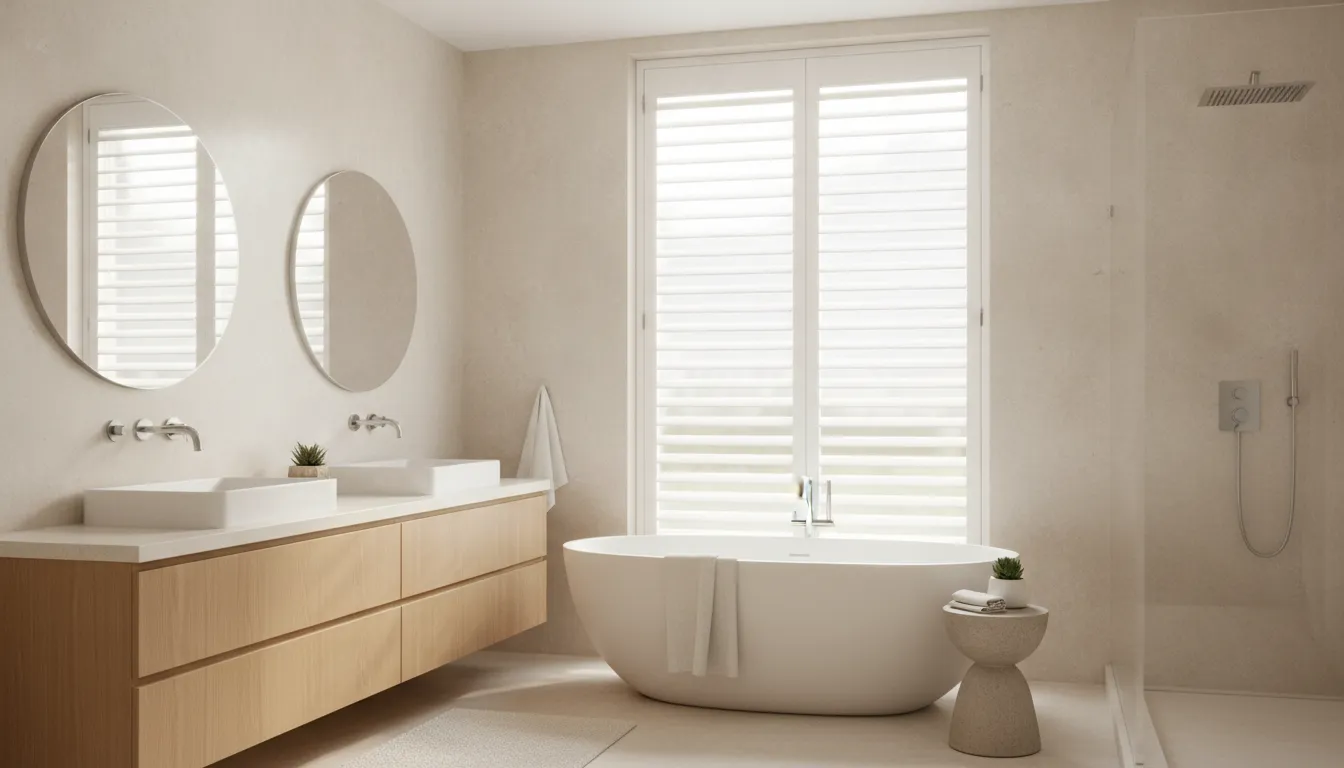
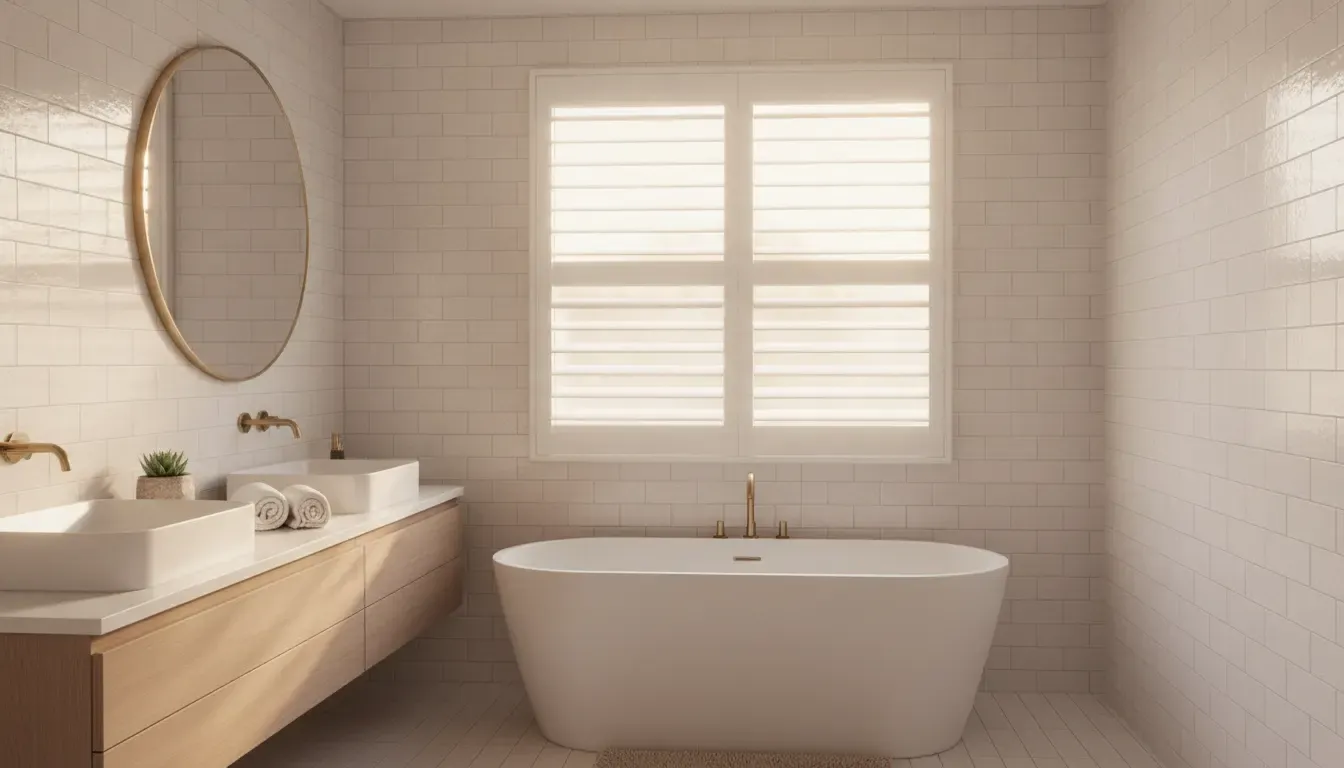
The material you select is one of the biggest drivers of your project's total cost. Hardwood shutters, for example, offer a classic, high-end look but come with a premium price. On the other hand, composite and Polycore shutters are fantastic, budget-friendly alternatives that provide exceptional durability and moisture resistance, making them ideal for kitchens and bathrooms. Your choice impacts more than just the initial bill. Higher-quality materials often provide better insulation, which can help with energy efficiency over time. Investing in a durable material from the start means you get a long-lasting window treatment that adds value to your home for many years.
Getting the Best Value for Your Investment
Making a smart investment in frameless shutters is about balancing upfront cost with long-term benefits. To get the best value, start by choosing a high-quality, durable material that suits your home’s needs and climate. Opt for a timeless design that will continue to look great even if you change your decor later on. Most importantly, work with professionals who can guide you. An expert consultation ensures your measurements are precise and your design choices fit your space perfectly. Our team offers mobile services to bring samples directly to you, helping you make a confident decision that enhances your home’s beauty and functionality.
How to Choose Quality Frameless Shutters
Choosing frameless shutters means paying close attention to craftsmanship. Since there’s no frame to hide imperfections or provide structural reinforcement, the quality of the shutter panels is what truly matters. Here’s how to make sure you’re investing in a product that looks great and lasts.
What to Look for in a Quality Shutter
A quality frameless shutter is defined by its construction. The panels themselves must be strong enough to support their own weight without warping or sagging over time. Check for durable materials and a smooth finish that will stand up to daily use. The louvers should operate seamlessly and close tightly to provide excellent light control and privacy. While traditional framed shutters rely on the frame for perfect alignment, a well-made frameless shutter achieves a flawless fit through precise engineering. Every measurement must be exact to ensure the panels hang straight and operate correctly, giving you that clean, modern look.
Exploring Materials and Custom Options
The material you choose affects both the style and durability of your shutters. For example, Polycore shutters are a great moisture-resistant option for bathrooms and kitchens, while stained wood adds timeless warmth to living rooms and bedrooms. Beyond the material, consider how you want your shutters to function. Custom features can improve your home’s insulation, manage light, and increase privacy. Even the louver size on your plantation shutters can make a big difference, affecting how much natural light fills the room and how clear your view is when they’re open. These options ensure your shutters are as practical as they are beautiful.
Our Commitment to Quality at Vineyard Blind & Shutter
The success of a frameless shutter installation comes down to one thing: a perfect fit. There is no room for error, as even the smallest miscalculation can result in noticeable gaps and operational issues. That’s why professional measurement and installation are so important. At Vineyard Blind & Shutter, our mobile services bring our experts directly to your home anywhere in Southern California to take precise measurements. We take full responsibility for making sure your custom shutters are crafted to the exact specifications of your windows, ensuring a flawless fit and a stunning final result without any of the stress.
The Frameless Shutter Installation Process
The clean, minimalist appeal of frameless shutters comes from their precise, edge-to-edge fit within your window opening. But achieving that seamless look requires an installation process where accuracy is everything. Unlike traditional shutters that have a frame to conceal minor gaps or uneven walls, frameless designs leave no room for error. Every millimeter counts, from the initial measurements to the final placement of the hinges.
The installation journey involves a few key stages. It starts with meticulous measuring to capture the exact dimensions of your window. Next comes the careful mounting of the shutter panels directly onto the window jamb or wall. This step is critical, as the hinges must be perfectly aligned to ensure the panels hang straight, open smoothly, and close without any gaps. Even a slight misalignment can disrupt the entire aesthetic. While it’s possible to install them yourself, the precision required often makes professional installation the best route for a flawless finish. Our team has the tools and experience to handle any quirks your windows might have, ensuring your new plantation shutters look and function perfectly from day one.
Professional vs. DIY Installation: What to Consider
Deciding between DIY and professional installation really comes down to your comfort level with precision-based projects. If you’re an experienced DIYer, you might enjoy the challenge. However, it’s important to know that you may need to do extra work to get it right. For instance, the surface where the hinges are mounted must be perfectly flat and level. This could mean sanding down high spots or adding thin shims behind the hinges to create an even plane.
Opting for professional installation takes all the guesswork and potential frustration off your plate. Our mobile services bring the experts directly to your Southern California home. We handle the precise measurements, make any necessary adjustments for uneven surfaces, and ensure a perfect, secure fit every time.
Why Precise Measurements Are Crucial
When it comes to frameless shutters, "close enough" isn't good enough. Because the panels fit directly inside the window opening without a surrounding frame, the measurements must be exact. Most window openings aren't perfectly square, so it's essential to measure the width and height in at least three different spots—top, middle, and bottom.
For the most accurate fit, you should always use the exact smallest measurement you find for both the width and height. It’s tempting to round up, but you should never add or subtract from your numbers. Even a tiny miscalculation can result in panels that are too tight to operate or have noticeable gaps. This is why we always recommend a professional consultation to ensure your custom shutters are built to the precise specifications of your unique windows.
Solving Common Installation Challenges
Even with careful planning, installation can present a few challenges. If measurements are slightly off, you might notice small, uneven gaps where the shutter panels meet when closed. This can compromise both the look and the light-blocking function of your shutters. Another common issue is slight misalignment, where one panel hangs a fraction lower than the other.
Fortunately, these problems can be solved. For example, experienced installers use hinge shims—tiny, thin pieces of material placed between the hinge and the shutter panel—to make micro-adjustments for perfect alignment. Tackling these fixes requires a good eye and a steady hand. If you’d rather avoid the potential for these installation headaches, our team is here to help. You can contact us to schedule a free in-home estimate.
Frameless Shutters vs. Other Window Treatments
When you’re deciding on new window coverings, it’s helpful to see how your options stack up. Frameless shutters offer a distinct style, but how do they compare to traditional shutters, blinds, or shades? Understanding the differences in design, function, and maintenance will help you choose the perfect fit for your home’s needs and your personal style. Let’s walk through how frameless shutters measure up against other popular window treatments.
Frameless vs. Framed Shutters
The main difference is simple: frameless shutters consist of just the shutter panels, which are mounted directly to your window opening. Traditional shutters, on the other hand, come with a decorative frame that surrounds the panels. This frame isn't just for looks; it helps support the weight of the panels, ensures they line up perfectly, and does a better job of blocking light from seeping in around the edges.
So, why go frameless? They are the ideal solution for specific situations. If your windows tilt inward for cleaning, a frame would get in the way. Frameless shutters solve that problem. They’re also great for very narrow windows, like sidelights next to a door, where a frame would overwhelm the space and make the shutter panel too small.
Comparing Shutters, Blinds, and Shades
It’s a common myth that shutters and blinds are basically the same thing, but they are fundamentally different. Shutters are considered a permanent fixture, custom-built to fit your window opening. They are durable, add architectural detail, and can even increase your home's value. Their solid louvers offer excellent light control and privacy.
Blinds are typically made of lighter materials like faux wood or vinyl and are raised or lowered with a cord or wand. While versatile, they don’t offer the same structural integrity or timeless feel as shutters. Shades are another category entirely, crafted from a single piece of fabric that rolls, gathers, or folds up, providing a softer look.
A Look at Long-Term Care
One of the best things about shutters is how easy they are to maintain. Whether you choose a framed or frameless design, keeping them looking great is straightforward. A regular dusting with a soft cloth or duster is usually all you need to keep them clean. For a deeper clean to remove fingerprints or grime, simply wipe them down with a damp cloth.
If you encounter a more stubborn spot, a little mild detergent mixed with water will do the trick. This simple care routine ensures your shutters will remain a beautiful and functional part of your home for years to come. Their durability and low-maintenance design make them a fantastic long-term investment you can enjoy without a lot of fuss.
Find the Perfect Window Treatment for Your Space
Choosing the right window treatment can feel like a big decision, but it really comes down to what works best for your home and your lifestyle. Whether you’re drawn to the clean lines of frameless shutters or the classic appeal of other styles, the goal is to find a solution that you’ll love for years to come. Let’s walk through how to match a treatment to your specific needs so you can feel great about your choice.
Match a Treatment to Your Needs
The best window treatment is one that solves a problem. Do you have beautiful windows that tilt inward for easy cleaning? A traditional shutter frame might get in the way. This is where frameless shutters really shine. Because they consist of just the shutter panels without a bulky surrounding frame, they offer a streamlined look that preserves your window’s functionality. This design makes them a fantastic solution for specific window types or creative projects where a standard frame just won’t work. Think of them as a custom-tailored fit for tricky spots, ensuring you don’t have to sacrifice style for practicality. It’s all about finding the right tool for the job.
Ready to Make a Confident Choice?
Feeling confident in your decision comes from knowing your new window treatments will do more than just look good. Customization options allow for practical features like better light control and insulation, which can make your home more comfortable and energy-efficient. Whether your main goal is to improve curb appeal, gain more privacy from neighbors, or simply add a finishing touch to a room, the right window treatment provides the perfect solution. Take a moment to think about what you want to achieve in your space. When you’re ready, our team can help you explore the options that will bring your vision to life.