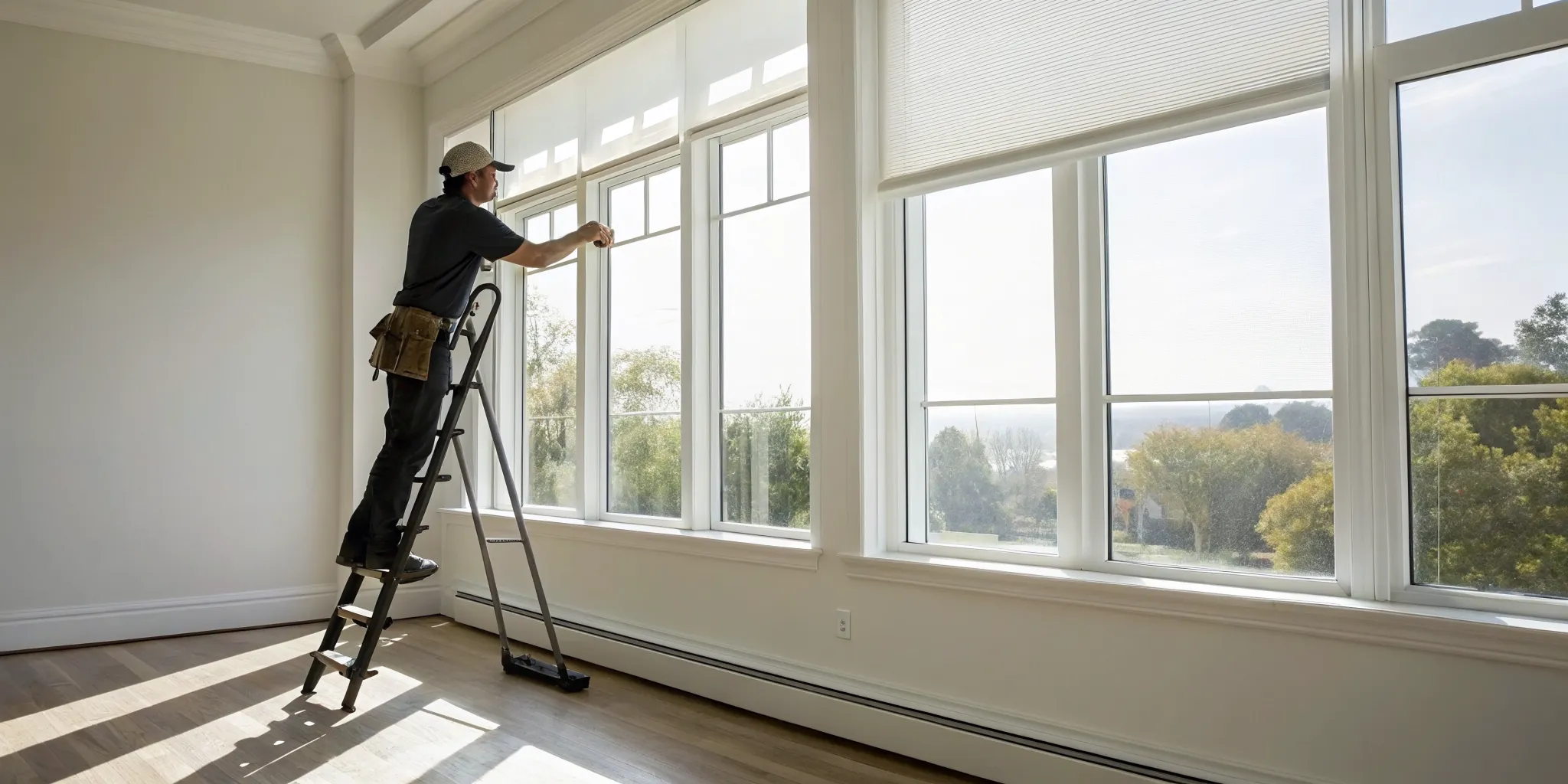
Have you ever received a quote for a home project and wondered how the final number was calculated? The labor cost to install window blinds is a perfect example. It’s not an arbitrary figure; it’s a detailed calculation based on the specifics of your project. The number of windows, the complexity of the blinds you’ve chosen (like motorized versus standard), and even the material of your walls all play a role. A simple installation in a new home in Temecula will be priced differently than a complex one in an older San Diego house with unique window shapes. This guide will demystify the process, breaking down exactly what installers consider when creating your quote.
Key Takeaways
- Understand what shapes your quote: Installation costs are not one-size-fits-all; they vary based on the number and size of your windows, the specific type of blinds you choose, and any unique challenges like high ceilings or brick walls.
- A professional installer is a smart investment: Hiring an expert guarantees precise measurements and a secure fit, which prevents expensive mistakes, protects your product warranty, and ensures the job is done correctly the first time.
- Plan ahead to manage your budget: You can lower installation costs by scheduling all your windows for one appointment, asking about multi-window discounts, and prepping the area yourself before the installer arrives.
What Factors Into Window Blind Installation Costs?
When you’re budgeting for new window blinds, it’s easy to focus on the price of the blinds themselves. But the installation cost is an equally important piece of the puzzle. This cost isn’t a flat fee; it’s a variable number that changes based on the specifics of your project. Understanding the factors that influence this price will help you get a more accurate estimate and avoid any surprises down the road.
Several key elements come into play, from the size and number of your windows to the type of blinds you select. Even your home's location in Southern California can affect the final price. Let's walk through the main factors that professional installers consider when putting together a quote, so you can feel confident about your investment in new window coverings.
Window Size and Number
It might seem obvious, but the more windows you need to cover, the higher your total installation cost will be. Each window is its own mini-project, requiring precise measurement, mounting, and adjustment. A project for a single bedroom will naturally cost less than outfitting an entire home. The size of the windows also matters. Large or oversized windows often require heavier blinds and more complex support systems, which can add to the labor time and, consequently, the cost per window. A professional installer will account for both the quantity and the dimensions when creating your estimate.
The Type of Blinds You Choose
Not all blinds are created equal, especially when it comes to installation. The style you choose has a direct impact on the labor involved. Simple, lightweight options like standard roller shades are typically quicker and easier to install, which often translates to lower labor costs. On the other hand, heavier materials like faux wood blinds or more complex systems like motorized blinds require more time, skill, and specialized tools to install correctly. The intricate mechanisms of certain blinds demand a higher level of expertise, which is reflected in the installation price.
Complex Installations and Hard-to-Reach Windows
Is your window located two stories up in a vaulted entryway or tucked away in a tight corner? The accessibility of a window is a major factor in installation costs. Hard-to-reach windows, like those high on a wall or above a staircase, require special equipment like tall ladders or scaffolding to access safely. This adds time and complexity to the job. Similarly, installing blinds on specialty-shaped windows (like arches or circles) or on difficult wall materials like brick or concrete requires extra precision and specialized hardware, which can also increase the labor cost.
Your Location and Local Rates
Where you live plays a role in how much you'll pay for installation. Labor rates can vary between different areas, even within Southern California. For example, the average hourly rate for a handyman or installer might be different in San Diego County compared to Riverside County or Orange County. At Vineyard Blind & Shutter, we provide competitive pricing across all our service areas. By working with a local company that understands the regional market, you can ensure you’re getting a fair price without sacrificing quality or expertise.
How Much Does Blind Installation Typically Cost?
Figuring out the budget for new window coverings means looking at both the product price and the installation cost. While it might seem like a small part of the total, labor costs can vary quite a bit based on who you hire, where you live, and what you’re installing. Understanding the typical pricing structures is key to planning your project and avoiding any surprises down the road.
Most installers charge either by the hour or by the window, and rates can differ significantly between a general handyman and a dedicated window treatment specialist. Costs in Southern California also tend to reflect the local economy, so what you pay in Riverside County might be different from what you’d pay in Orange County. It's not just about getting the blinds on the wall; it's about ensuring they are installed correctly for smooth operation and longevity. A professional installation can prevent future issues like uneven hanging or damage to your window frames, making it a worthwhile investment in your home. Let’s break down these factors so you can get a clearer picture of what to expect for your installation project.
Hourly vs. Per-Window Rates
When you start getting quotes, you’ll notice two common pricing models: hourly and per-window. An hourly rate is straightforward, with the national average for blind installation hovering around $38 per hour. This rate can be a good option for simple jobs. However, many professional installers prefer to charge a flat rate per window. This approach is often clearer for you as a homeowner because the total cost is set upfront, regardless of whether the job takes a little more or less time than expected. A per-window fee typically accounts for the type of blinds being installed, the complexity of the window, and the installer’s expertise, giving you a predictable final price.
How Costs Vary Across Southern California
It’s no secret that the cost of services can be higher in Southern California. While national guides might give you a broad range, it’s important to adjust your expectations for local pricing in San Diego, Orange, and Riverside counties. Including both materials and labor, homeowners can expect to pay anywhere from a couple hundred to over a thousand dollars per window. This wide range depends heavily on whether you choose simple vinyl blinds or high-end, custom plantation shutters. The cost of living and demand for skilled labor in our area play a significant role in these figures, so getting a local quote is always the best way to get an accurate estimate.
Handyman vs. Professional Installer Rates
You might be tempted to hire a general handyman to save some money, and for a large number of basic blinds, their rates can be competitive, sometimes falling between $25 to $40 per blind. This can work for simple, straightforward projects. However, for custom fittings, complex window types, or valuable window treatments, a professional installer is the better choice. Specialists from a dedicated window covering company have the right tools and experience to ensure a perfect fit, especially for products that require precision. They also stand behind their work, offering peace of mind that you just can’t get from a general contractor. Our mobile services bring this expertise directly to your home.
How Your Choice of Blinds Affects Labor Costs
When you’re budgeting for new window treatments, it’s easy to focus on the price of the blinds themselves. But the type of blind you pick has a direct impact on the installation process, which in turn affects your final labor cost. Some blinds are a breeze to put up, while others require more time, specialized tools, and a higher level of skill. Understanding these differences can help you make a choice that fits both your style and your budget, without any surprises when the bill arrives.
From lightweight roller shades to heavy-duty motorized options, each style comes with its own set of installation requirements. A simple project might only take a professional an hour or two, but a more complex one involving custom fittings or heavier materials will naturally take longer. This extra time and effort are reflected in the labor costs. Let’s break down how different types of blinds can influence the price of professional installation, so you know exactly what to expect.
Standard Blinds: Roller and Venetian
If you're looking for a budget-friendly installation, standard options like roller and Venetian blinds are often your best bet. Their straightforward design makes the installation process relatively quick and simple for a professional. Because they don't require complex mounting hardware or intricate adjustments, an installer can typically get them up and running in less time. This efficiency means lower labor costs for you. Think of it this way: the less time an installer spends at your home in Orange County, the more you save on the final invoice.
Heavier Blinds: Faux Wood and Vertical
Heavier window treatments like faux wood blinds and vertical blinds require a bit more muscle and precision to install correctly. Their weight demands more robust mounting hardware and careful handling to ensure they are secure and operate smoothly. According to home service experts, heavier materials need stronger parts and more time to install safely. This extra attention to detail means the installation will take longer, leading to higher labor costs compared to their lighter counterparts. It’s a necessary step to make sure your beautiful new blinds are safe and will last for years.
Specialty Blinds: Custom and Motorized
Specialty blinds, especially custom-fit and motorized options, sit at the higher end of the installation cost spectrum. Motorized blinds involve wiring, battery packs, and programming remotes or smart home connections, which adds a layer of technical complexity to the job. Custom blinds for unique window shapes also require meticulous measurements and specialized installation techniques to achieve a perfect fit. These aren't your average installations, and the higher labor cost reflects the specialized skills and extra time needed to get the job done right in your Riverside County home.
What Common Challenges Increase Installation Costs?
While most window blind installations are straightforward, some homes have unique features that can make the job a bit more complex. It’s helpful to know what these potential challenges are ahead of time so you aren’t surprised by the final bill. Certain factors require more time, specialized tools, or extra labor, which can influence the overall cost. Understanding these common hurdles will help you have a more informed conversation with your installer and get a truly accurate quote for your project in Orange County, San Diego County, or Riverside County. Let’s look at a few things that can add to your installation costs.
High or Hard-to-Reach Windows
Do you have beautiful vaulted ceilings or a two-story entryway? Those stunning architectural features can make blind installation more challenging. Installing blinds on tall or extra-wide windows often takes more time and may require special equipment, like scaffolding or extra-tall ladders, to complete the job safely and correctly. Windows over staircases, in skylights, or in other hard-to-reach places fall into this category, too. The additional setup, risk, and time involved mean you can expect labor costs to be higher for these types of windows. Our professional installers have the experience and equipment to handle these complex jobs with precision.
Tricky Wall Materials
The material of the wall around your window plays a big role in how simple or complex the installation will be. Mounting blinds into standard drywall is typically a quick and easy process. However, if your window frames are surrounded by brick, concrete, or tile, the installation becomes more involved. These tougher materials require special tools, like hammer drills and masonry bits, to drill into without causing damage. This process takes more time and expertise, which is reflected in the labor cost. It’s a good idea to let your installer know about any non-standard wall materials when you request a quote to ensure they come prepared.
Removing Old Window Coverings
One of the most overlooked tasks is dealing with the old window treatments. If you have existing blinds, shades, or curtains that need to be taken down, this can add to your installation cost. Many installers will charge an additional fee for the time it takes to remove the old coverings and hardware, especially if they also have to handle disposal. Some homeowners choose to do this part themselves to save a little money. Before your installation day, be sure to clarify whether the removal of your old window treatments is included in your quote to avoid any last-minute surprises.
Common Mistakes That Drive Up Installation Costs
Getting new window treatments is exciting, but a few common missteps can quickly turn your budget upside down. The good news is that these mistakes are entirely avoidable with a little planning. By being mindful of how you approach quotes, measurements, and hiring, you can ensure your installation process is smooth, efficient, and stays within your budget. Let’s walk through a few key areas where homeowners in Orange, Riverside, and San Diego counties can save themselves time, money, and a whole lot of frustration.
Forgetting to Compare Quotes
It’s tempting to go with the first quote you receive, especially when you’re eager to get your project started. However, failing to compare offers is one of the easiest ways to overpay. Getting several quotes from different installers helps you understand the average market rate for your project. It also allows you to compare the services included, so you can see who offers the best value, not just the lowest price. A detailed quote should clearly outline all costs, from the blinds themselves to the labor for installation, leaving no room for surprise fees later on.
Taking Inaccurate Measurements
A tape measure might seem simple enough, but even a tiny error in your window measurements can lead to a costly disaster. Blinds or shutters that are too small will leave gaps, while those that are too large simply won’t fit. This often means you have to reorder everything, paying for the same product twice. This is why professional measurement is so critical. When an expert measures your windows, they guarantee a perfect fit. Our team offers mobile services where we come to your home to ensure every measurement is exact, taking the guesswork and risk completely off your plate.
Hiring the Wrong Person for the Job
While a general handyman might offer a lower hourly rate, they may not have the specialized experience needed to install certain window treatments correctly. Improper installation can lead to blinds that don't operate smoothly, damage to your window frames, or even safety hazards if the coverings aren't secured properly. Hiring a professional installer who specializes in window treatments ensures the job is done right the first time. Our experienced team at Vineyard Blind & Shutter knows our products inside and out, guaranteeing a secure, beautiful, and long-lasting installation for your home.
How to Save Money on Your Blind Installation
Professional installation ensures your new window treatments look perfect and function flawlessly, but that doesn't mean you can't be smart about the cost. A little bit of planning can make a big difference in your final bill. By thinking ahead and communicating clearly with your installation team, you can keep your budget in check without compromising on the quality of the work. Here are a few practical ways to save money on your next blind installation project in Orange County, San Diego County, or Riverside County.
Schedule Your Project Strategically
If you’re planning to update the window coverings in more than one room, it’s always more cost-effective to have them all installed in a single visit. Think of it from the installer's perspective: one trip to your home, one setup, and a streamlined workflow from window to window. This efficiency often translates into a lower per-window installation cost for you. Rather than piecemealing the project over several months, tackle the living room, bedrooms, and kitchen all at once. You’ll get your whole project done faster and save some money in the process, making it a win-win for everyone involved.
Ask About Multi-Window Discounts
When you’re outfitting several windows, don’t hesitate to ask about a multi-window discount. Many installation companies, including ours, offer better pricing for larger projects. Installing ten or more blinds at once is much more efficient than installing just one or two, and that savings can be passed on to you. Whether you’re updating an entire floor of your home in San Diego or outfitting a new office in Riverside County, be upfront about the scope of your project. A simple question about package pricing could lead to significant savings on your final invoice, giving you more room in your budget for other home updates.
Prep Your Windows Before the Installer Arrives
One of the easiest ways to reduce labor costs is to do a little prep work yourself. Before your installer arrives, take a few minutes to clear the area around each window. This means moving any furniture, decor, or plants that might be in the way. If you’re able, removing the old blinds or curtains can also save the installer valuable time. By having the windows accessible and ready to go, you allow the professionals to get straight to work on the installation. This simple step can shorten the overall appointment time, which often helps lower the total labor charge.
Understand What Your Quote Includes
A clear, detailed quote is your best friend when budgeting for blind installation. Before you agree to any work, make sure you understand exactly what you’re paying for. Does the price include the removal and disposal of your old window treatments? Are there any potential extra charges for complex windows or tricky wall materials? Don’t be afraid to ask for an itemized breakdown. Getting quotes from a few different installers can help you compare services and pricing fairly. When you’re ready for a transparent and comprehensive estimate, you can contact us to schedule a consultation.
DIY vs. Professional Installation: Which Is Right for You?
Deciding between installing your new window coverings yourself or hiring a professional is a big part of the process. While the DIY route can seem tempting, it’s not always the most straightforward or cost-effective path. Let’s break down the key things to consider so you can make the best choice for your home in San Diego, Riverside, or Orange County.
When to Hire a Pro
Hiring a professional installer is a smart move in several situations. If you’re investing in beautiful, custom window treatments like plantation shutters, professional installation ensures they are fitted perfectly to preserve their look and function. Pros guarantee accurate measurements and a flawless finish, which is especially important for large projects with multiple windows. They also have the right tools and expertise for tricky installations, like mounting blinds on brick walls or fitting them in hard-to-reach windows. Plus, a professional’s work often comes with a warranty, giving you extra peace of mind that the job is done right the first time.
The Real Cost of a DIY Project
The main appeal of DIY is saving money on labor, and while you might cut down on initial costs, it’s important to weigh the risks. A simple mistake in measuring or drilling can lead to damaged blinds, walls, or window frames, quickly erasing any savings. If you have several windows to cover, a professional can often complete the job more efficiently, which can lower the per-window installation cost. Before you pull out the toolbox, consider the value of your time and the potential cost of fixing a mistake. Getting it done correctly from the start often proves to be the more economical choice in the long run.
Safety and Warranty Considerations
Two major factors that often go overlooked in the DIY vs. pro debate are your product warranty and home safety. Many manufacturers require professional installation to keep the product warranty valid; attempting it yourself could void that coverage. More importantly, safety is a top priority, especially in homes with children and pets. Professionals are trained to install window coverings according to strict safety standards, ensuring that cords and chains on certain types of blinds don’t pose a hazard. This expertise ensures your new window treatments are not only beautiful but also completely safe for your family.
How to Get an Accurate Installation Quote
Getting a clear and comprehensive quote is the first step to a smooth installation. It helps you budget properly and avoid any surprises down the road. A good quote sets clear expectations for both you and the installer, ensuring everyone is on the same page before the work begins. Let's walk through how to get a quote you can trust for your home in San Diego, Riverside, or Orange County.
Key Questions to Ask Potential Installers
When you speak with an installer, having a few key questions ready can make all the difference. Start with the basics: Does the price include the new blinds and the installation, or just the labor? You should also ask about their process. Will they remove and dispose of your old window coverings, and is that included in the cost? It's also smart to inquire about warranties on both the products and their installation work. Getting answers to these questions upfront helps you understand exactly what you're paying for and allows you to compare different offers accurately.
Red Flags to Look for in a Quote
A quote that seems too good to be true probably is. If one price is dramatically lower than others, it could be a sign that the installer is using lower-quality materials or cutting corners on the installation itself. Another red flag is a vague quote that doesn't break down the costs. You should see separate lines for materials, labor, and any other fees. Be wary of anyone who pressures you to make a decision on the spot or asks for a large cash deposit before any work begins. A professional company will provide a clear, detailed estimate without any pressure.
How to Compare Quotes Fairly
When you have a few quotes in hand, make sure you're comparing apples to apples. Check that each estimate covers the same scope of work, the same number of windows, and similar quality materials. Look beyond the final number and consider the company's reputation. Do they have positive customer reviews? A slightly higher price from a trusted, experienced installer with a solid track record is often a better value in the long run. Finally, confirm the total cost, including any potential extras like removing old hardware, to ensure there are no hidden surprises.
Related Articles
- 10 Questions People Ask Before Buying Custom Blinds in 2026 - Vineyard Blinds
- The Ultimate Guide to Discount Blinds for Windows
Frequently Asked Questions
Why does the type of blind I choose change the installation price so much? The installation cost is directly tied to the time and skill required for the job. A simple roller shade is lightweight and has a straightforward mounting process, so it takes less time to install. In contrast, heavier faux wood blinds require more robust hardware and careful handling to ensure they are secure. Motorized blinds add another layer of complexity, as they involve wiring and programming, which requires specialized expertise and more time.
Is it cheaper to hire a general handyman instead of a professional installer? While a handyman might offer a lower hourly rate, it isn't always the most cost-effective choice in the long run. A professional installer who specializes in window treatments has the precise tools and experience to handle custom fits and complex products perfectly. Improper installation can lead to damaged blinds or window frames, which costs more to fix. Plus, many product warranties are only valid if installed by a certified professional.
What's the best way to get an accurate quote for my project? The most reliable way to get an accurate quote is to schedule an in-home consultation. This allows a professional to take precise measurements of your windows, assess the wall materials, and identify any potential challenges, like a hard-to-reach window. During a consultation, you can discuss your product choices and get a detailed, itemized estimate that covers materials, labor, and any other potential fees, leaving no room for surprises.
Besides the blinds themselves, what are some unexpected things that could increase my installation cost? A few common factors can add to the labor cost. If you have very high windows, like those in a two-story entryway, the installer may need special equipment like scaffolding to work safely. Mounting blinds onto difficult surfaces like brick or concrete also requires more time and specialized tools than standard drywall. Finally, if your quote doesn't include it, you may see an extra charge for the removal and disposal of your old window coverings.
Can I save money by installing blinds in all my rooms at once? Yes, absolutely. It is almost always more economical to have all your window coverings installed in a single appointment. Installers can work more efficiently when they handle multiple windows in one visit, which reduces their overall time and travel costs. Many companies pass these savings on to you in the form of a multi-window discount or a lower per-window rate for larger projects.


