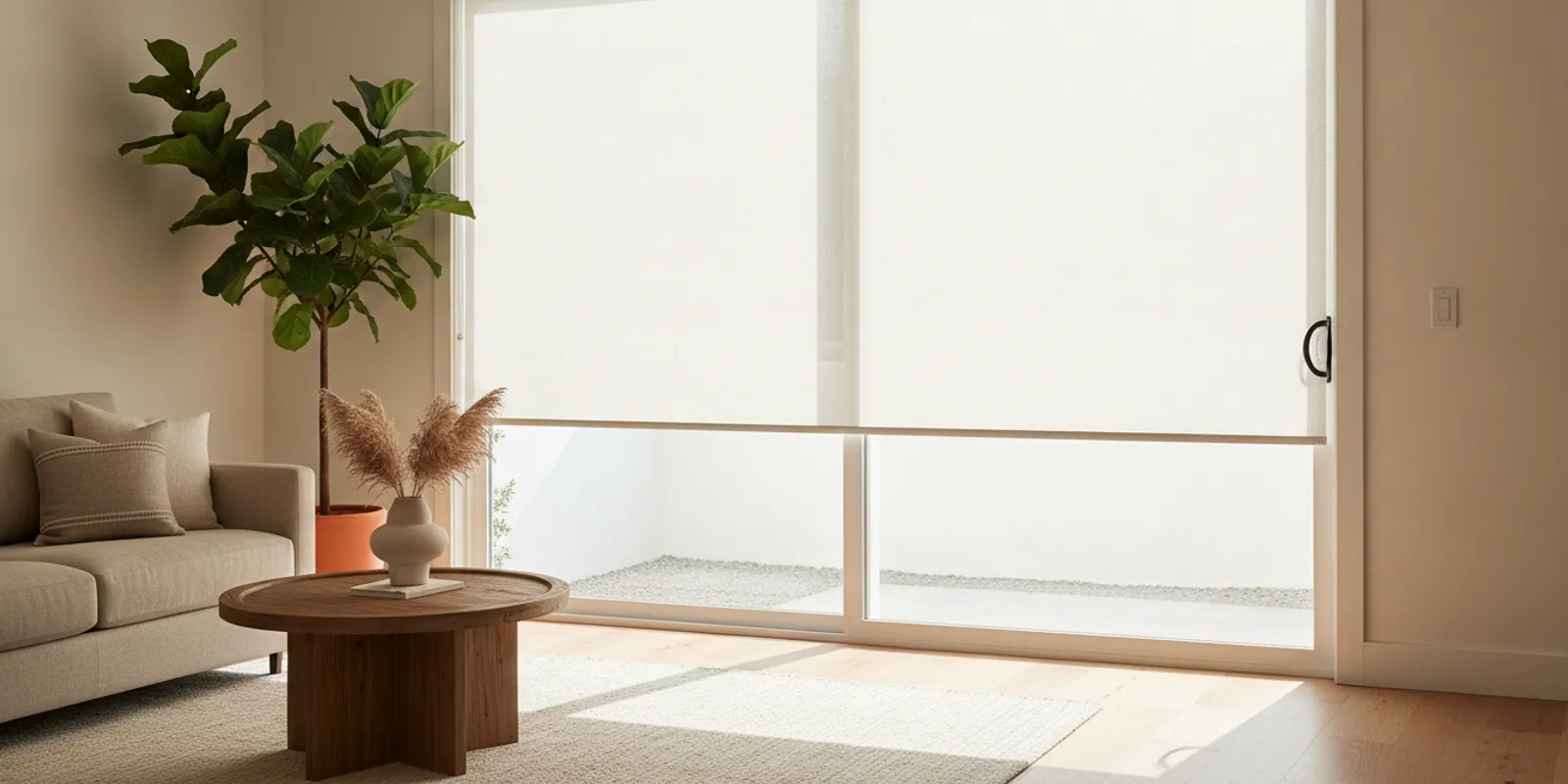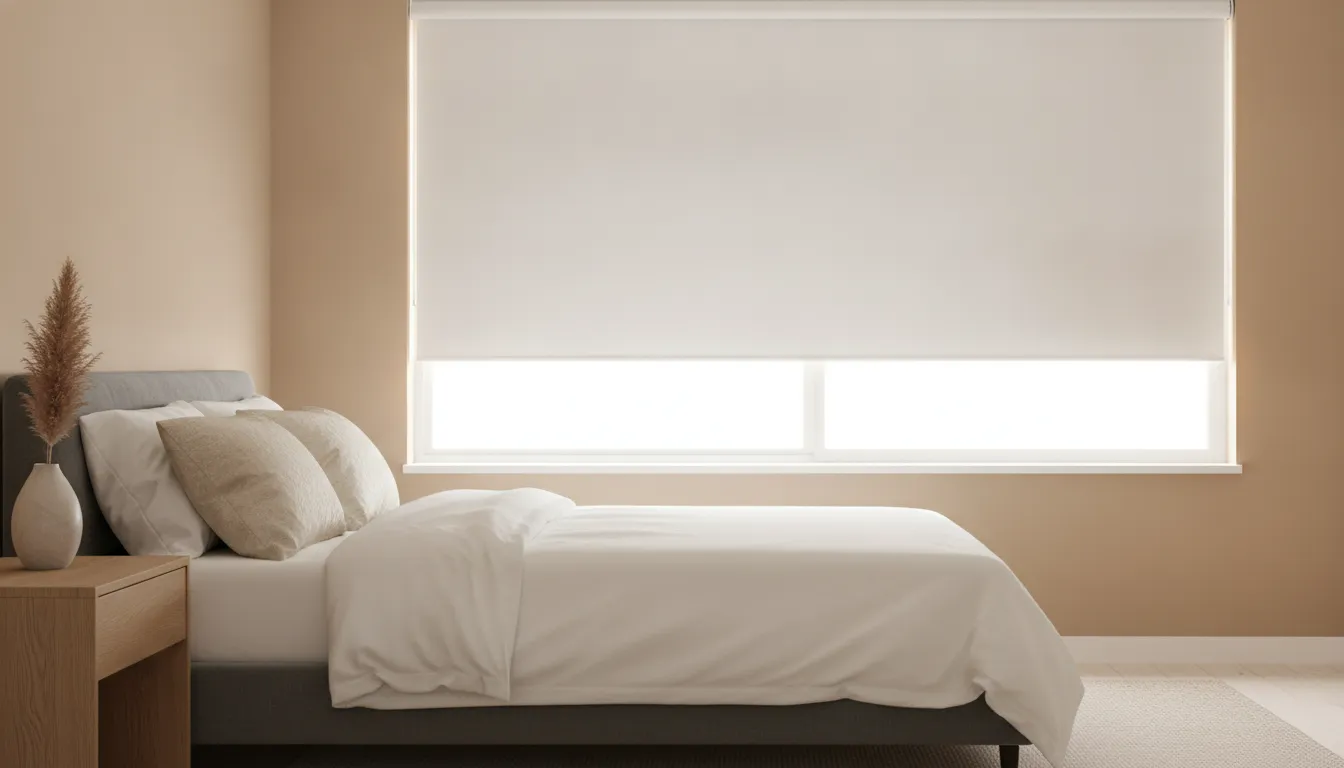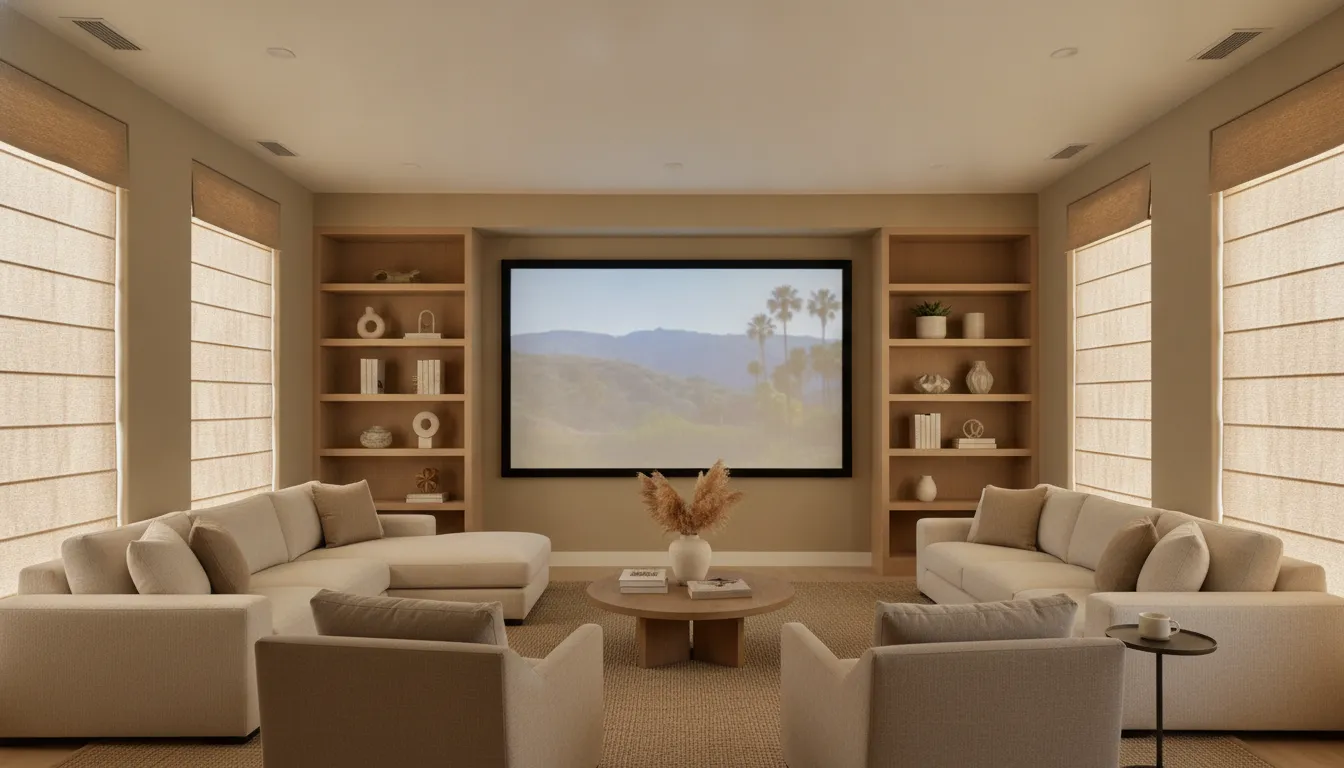
A media room can look perfectly comfortable until afternoon sun hits the screen, reflections compete with dark scenes, or light leaks around a shade. The right window treatment should support clear viewing without forcing you to choose a permanently dark room.
When choosing room darkening shades for media rooms, compare light control, glare management, mounting fit, and operation together. Room-darkening shades reduce incoming light, but they are not automatically the same as blackout shades or guaranteed to block every beam.
Call Vineyard Blind & Shutter at (951) 757-4188 for a free in-home consultation.
Start by considering how sunlight moves across the room, where viewers sit, and what you need the shades to control beyond brightness. Those details help define a setup that protects viewing comfort while still fitting the room's daily use.
What Should Media Room Shades Control?
The right shade does more than make a media room look finished. It should help manage the changing conditions that affect how comfortably you watch, play, or present on screen. Start by identifying the room's main problem: bright afternoon sun, reflections on a television, uneven daylight, outside visibility, or heat building near the windows.
Light control is usually the first priority. A shade should reduce direct daylight enough to improve screen contrast without assuming that every room needs complete darkness. Room-darkening and blackout are different performance levels, so discuss how much remaining light is acceptable around the fabric, frame, and window edges.
Glare deserves its own check. Sunlight can reflect from a screen, glossy furniture, or a light-colored wall even when the window does not look especially bright. A U.S. Department of Energy experiment on cellular shades evaluated energy, glare, and daylighting performance in a real commercial building with windows facing different directions. Researchers monitored room temperature, humidity, illuminance, glare, and heating and cooling loads, which shows why window orientation and the room's actual conditions matter when selecting a treatment.
Heat and privacy are also part of viewing comfort. In hot, dry Southern California conditions, the shade may need to limit unwanted solar gain during the day while giving you privacy when the room is lit at night. The goal is not an unsupported promise that one product will solve every comfort issue. It is a balanced fit between light filtering, glare control, insulation, privacy, and how you use the room.
- Screen contrast during the brightest part of the day
- Reflections from direct or reflected sunlight
- Privacy from neighboring homes and passing traffic
- Heat near sun-facing windows
- Convenient adjustment as daylight changes
Use this checklist when comparing custom shade styles and options, then evaluate samples in the room where they will be installed.
How Do Room Darkening Shades for Media Rooms Reduce Glare?
Glare usually comes from two sources: direct sunlight entering through the glass and bright reflections bouncing off floors, walls, furniture, or the screen itself. Room-darkening shades help by reducing the amount of light reaching the room. However, the result depends on the fabric, window orientation, shade position, and how closely the treatment fits the opening. They can make viewing more comfortable without promising a completely light-free room.
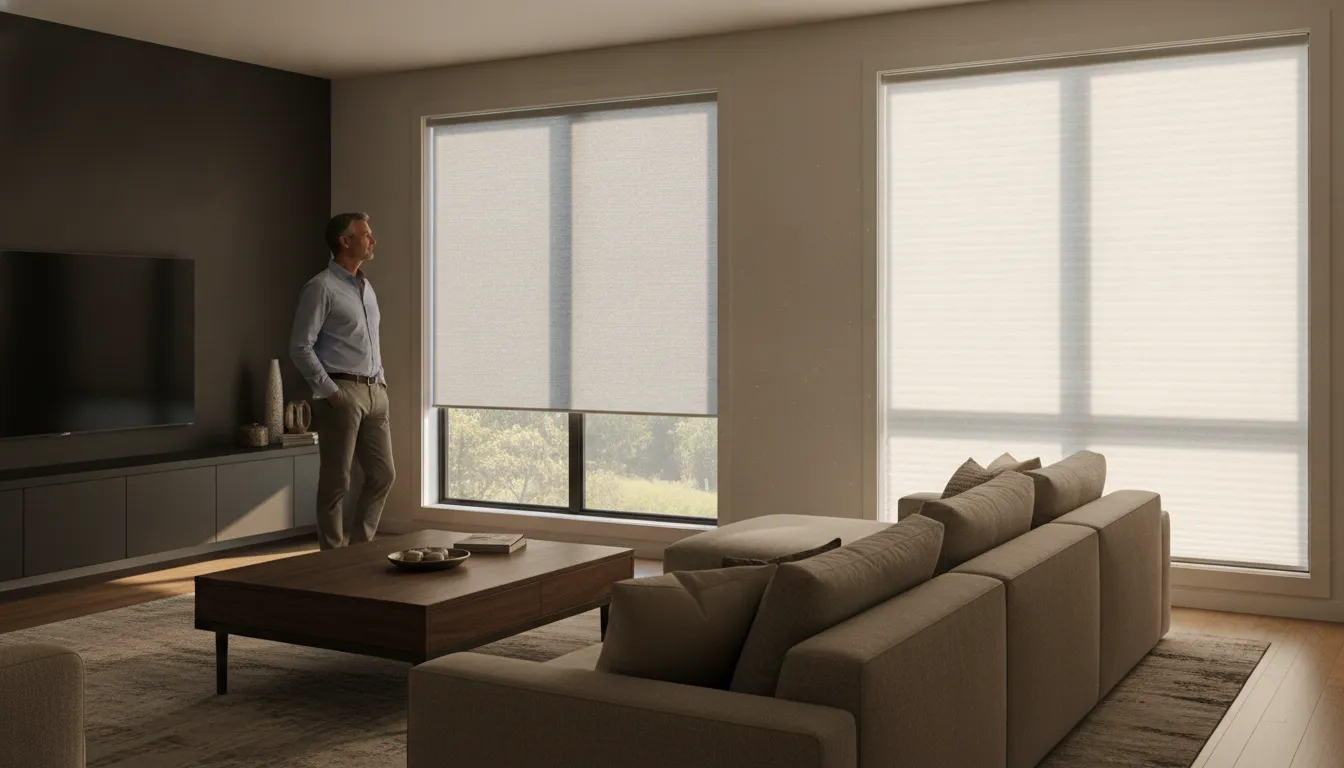
Fabric selection is a balancing decision. A darker or more light-blocking option may help control a bright beam during daytime viewing, while a lighter material may preserve a softer connection to outdoor light when the screen is not in use. Room-darkening and blackout are not interchangeable terms. Vineyard's product information distinguishes the two, with blackout shades intended for complete light blockage, while room-darkening products may still allow some light around or through the treatment. Explore custom shade styles and options before choosing based on the label alone.
Mounting also affects the outcome. An inside mount can provide a clean appearance within the frame, but small areas at the sides may still admit light. An outside mount can help cover more of the opening when the frame or window shape makes that practical. Professional measuring helps identify the appropriate mounting approach rather than treating every window as a standard rectangle.
Research can illustrate what is possible without serving as a guarantee for a particular home. In the Department of Energy cellular-shade experiment, cellular shades were tested for daylight and glare performance, and the reported glare reduction reached up to 91% under that study's conditions. Window orientation, room layout, fabric, and operating position all matter. Berkeley Lab research likewise describes glare modeling and shade-angle selection as complex rather than one-size-fits-all decisions.
Timing matters as much as the shade itself. Motorized or automated controls can respond to sun position and sensor input, helping adjust shades before a bright beam reaches the screen. This approach can preserve visual comfort while still making use of natural light. For a media room with several windows, repeatable timing may be more convenient than adjusting each shade manually at the start of every movie.
Which Shade Styles Work Best for a Media Room?
The best choice depends on whether your priority is softer daylight, reduced screen glare, a clean appearance, or the darkest possible viewing environment. No single shade style is ideal for every media room. Window direction, screen placement, mounting space, and the amount of light you want to retain all matter.
| Shade style | Best fit | Light-control considerations | Design and operation |
|---|---|---|---|
| Cellular or honeycomb | Rooms that need flexible daylight control and a softer appearance | Available in light-filtering and room-darkening fabrics; blackout versions can provide a darker environment | Efficient cellular construction, with cordless and motorized options available |
| Roller | Clean-lined rooms where simple, direct control is important | Fabric openness and opacity determine how much daylight and privacy remain | Minimal profile and a broad range of colors and textures |
| Solar | Media rooms that need daytime glare and solar control while keeping some outside view | Reduces brightness without automatically creating a dark, theater-like room | Modern appearance and useful daytime visibility |
| Roman | Rooms where decorative fabric and a more furnished look are priorities | Fabric selection and lining affect light control; confirm whether the chosen system is room-darkening | Soft folds and a traditional or tailored design |
| Blackout | Movie viewing, gaming, or presentations where minimizing incoming light is central | Designed for complete light blockage, but fit and edge coverage still deserve attention | Available in several shade formats, including roller and cellular designs |
Room-darkening and blackout are not interchangeable terms. Room-darkening fabric reduces incoming light but may still allow some glow around the fabric or through the material. Vineyard distinguishes blackout shades as providing complete light and heat blockage, so ask about the specific fabric and system rather than assuming every dark-looking shade is blackout. You can review custom shade styles and options before narrowing the choice.
Cellular and roller shades are common comparison points because they approach the room differently. Cellular shades are listed among Vineyard's efficient product options, while roller shades offer a straightforward profile and fabric-based light control. The U.S. Department of Energy has compared cellular shades with roller shades and blinds in simulations, but study results do not replace a room-specific product recommendation. Read more about roller and cellular shade options when deciding which tradeoffs fit your windows.
For a media room, prioritize the shade that controls light at the times you actually watch. A daytime sports room may benefit from solar or room-darkening fabric, while a dedicated theater may warrant a blackout system with careful mounting and side-gap control.
Why Does Fit Matter for Media Room Light Control?
The fabric or shade style is only part of the light-control decision. Window geometry and mounting position also affect how much light can enter around the treatment. A shade installed inside the window frame can create a clean, built-in appearance, but the frame depth, trim, handles, and other obstructions must allow the product to sit correctly. An outside mount can cover more of the surrounding area when the window frame is shallow or irregular, though the headrail and side edges need to be positioned carefully.
Side gaps deserve particular attention in a media room. Small openings beside a shade may be noticeable when sunlight reaches the wall or when the room is otherwise dim. They can also matter around unusually wide windows, paired windows, corner windows, arched tops, deep sills, and doors. Room-darkening shades can reduce incoming light, but fit alone does not turn every installation into a guaranteed blackout system. Vineyard distinguishes room-darkening products from blackout shades, so the intended result should be discussed before the order is placed.
Professional measuring helps connect the treatment to the actual window rather than relying on a single width and height. Vineyard's custom measuring process checks inside- and outside-mount possibilities and identifies structural considerations. During an in-home visit, the team can assess each room and demonstrate samples in the home's actual lighting. That is useful when the goal is comfortable screen viewing without making the space feel permanently closed off.
A practical fit checklist
- Inspect the window: Note frame depth, trim, handles, sills, nearby walls, projection, and any unusual shape that could affect an inside mount or shade movement.
- Choose the mounting approach: Compare inside and outside mounts based on the available recess, desired coverage, appearance, and where light is most likely to enter around the edges.
- Test the result in the room: Review fabric and mounting samples during the room's brightest viewing conditions, then confirm the measured dimensions and intended light-control level with the installer.
For help evaluating window geometry and requesting a free in-home consultation, bring up the times of day when glare and stray light are most distracting. That context gives the measuring and design process a practical target.
Should You Choose Cordless or Motorized Shades?
The right operating method depends on how you use the room, where the windows sit, and whether you want to adjust one shade or several at once. Vineyard Blind & Shutter offers cordless and motorized options across many product lines, so the decision can be made alongside the shade fabric and mounting style.
When cordless operation makes sense
Cordless shades are a straightforward choice for a media room with easily reached windows. They keep the window area visually clean and avoid a loose operating cord near seating, walkways, or places where children and pets spend time. They can work well when you usually adjust each window individually, such as lowering one shade to reduce afternoon glare while leaving another partially open for daylight.
Consider the reach to each window before choosing cordless operation. A high window, a window behind furniture, or a group of windows spread around the room may be less convenient when every shade must be adjusted by hand. In those situations, manual operation can turn a quick light adjustment into a trip around the room.
When motorized operation is worth considering
Motorized shades are useful when windows are difficult to reach or when repeatable light control matters. You can lower multiple shades for a movie, raise them after viewing, or make a small adjustment without walking in front of the screen. This is especially helpful when a media room has several windows with similar exposure and you want them to respond consistently.
Automated shading research describes controls that can use sun position and local sensor inputs to manage glare. It also notes that automated shade controls can preserve visual comfort while making use of natural light. Those findings describe control strategies, not a guarantee for every residential product or room, so the window direction, fabric, fit, and daily schedule still matter.
- Choose cordless when windows are accessible and individual adjustments are simple.
- Consider motorized when seating, furniture, height, or multiple windows make manual adjustment inconvenient.
- Prioritize repeatability when you want the room ready for viewing with similar light control each time.
During an in-home consultation, compare both operating methods in the actual room. That makes it easier to judge reach, seating positions, screen visibility, and how the shades feel in everyday use.
How Can Southern California Buyers Choose With Confidence?
The best choice starts with the room, not a sample book. In Southern California, sunlight can affect a media room differently depending on window direction, surrounding surfaces, and the time of day you usually watch. Research from Berkeley Lab evaluated shading in a hot, dry Southern California climate, reinforcing why a treatment that looks right in a showroom should also be judged in your own space.
Use this practical decision path:
- Start with viewing conditions. Note when glare appears, where the sun reaches the screen, and whether you need a softer room-darkening effect or more complete blackout. These are different performance goals, so describe the result you want rather than choosing by label alone.
- Compare samples in the actual room. Look at fabric color, openness, side light, and screen reflections with the room's real lighting and furnishings in place. A mobile showroom can bring treatment samples directly to your home, making the comparison more useful than viewing materials under retail lighting.
- Request measuring before ordering. A professional visit can assess each window room by room, demonstrate products in actual lighting, and check whether an inside or outside mount is appropriate. This is especially valuable for deep trim, unusually shaped windows, or windows near the screen.
Vineyard Blind & Shutter provides window treatments in Southern California for homeowners in San Diego County, Riverside County, and Orange County. The service includes a free consultation, measuring, and professional installation. To compare options for your media room, request a free in-home consultation and bring your actual viewing priorities into the conversation.
Frequently Asked Questions
What are the best room darkening shades for media rooms?
The best choice depends on your windows, seating position, and how much daylight reaches the screen. Cellular, roller, Roman, solar, and other shade styles can each work when their light-control and mounting characteristics fit the room. Compare fabric openness, shade coverage, side gaps, and operation rather than choosing by appearance alone. Samples viewed in the actual room can make the tradeoffs easier to judge.
Is there a difference between room darkening and blackout shades?
Yes. Room-darkening shades reduce incoming light, but they do not automatically block every beam around the fabric or frame. Blackout performance depends on the shade, fabric, mount, and window coverage. If your media room needs the darkest possible viewing environment, discuss side-gap control and mounting details instead of assuming that any dark fabric provides complete blackout.
Do room darkening blinds really work?
They can improve viewing comfort by reducing direct sunlight and reflected glare, especially when the shade covers the window well and is used at the right time of day. Results vary with window orientation, surrounding surfaces, shade position, and installation. Automated shading controls can also help manage glare consistently, but no shade should be treated as a universal guarantee for every room or screen.
Should media room shades be cordless or motorized?
Choose cordless operation when you want a clean, straightforward design for individual windows. Motorized shades can be useful when windows are difficult to reach, several shades need to move together, or you want repeatable light control before a movie. Cordless and motorized options are available across many product lines, so the final choice should reflect window access, room layout, and how you use the space.