Southern California homeowners know the drill: triple-digit temperatures outside, AC running nonstop inside, and a utility bill that stings worse than the heat. Windows are the weak link. According to the U.S. Department of Energy, about 30% of a home's heating energy is lost through windows, and roughly 76% of sunlight hitting standard double-pane glass enters as heat. That adds up fast when you have 300+ days of sunshine per year.
The good news? Swapping out basic blinds for energy-efficient window coverings can reduce solar heat gain by up to 62%, lower your HVAC workload, and trim your monthly energy costs. This guide breaks down which window treatments actually deliver measurable efficiency gains for Southern California climates and how to pick the right ones for your home.
Why Window Coverings Matter for Energy Efficiency
Glass is a poor insulator. A single-pane window has an R-value of about 0.9, meaning it barely slows heat transfer. Even double-pane windows top out around R-2, well below the R-13 to R-21 that wall insulation provides. That gap between your windows and your walls is where energy dollars escape.
Energy-efficient window treatments work by adding insulating layers between the glass and your living space. They trap air, reflect sunlight, and reduce the temperature differential that drives heat exchange. In practical terms, this means:
- Summer: Less solar heat entering through windows, so your AC cycles less often
- Winter: Reduced heat loss through glass, keeping rooms warmer without cranking up the furnace
- Year-round: More stable indoor temperatures with less reliance on your HVAC system
For Southern California specifically, summer cooling is the bigger concern. Homes in Temecula, Murrieta, and inland Riverside County regularly see temperatures above 100°F from June through September. Even coastal San Diego homes deal with strong afternoon sun exposure that drives up cooling costs.
The Best Energy-Efficient Window Coverings for Southern California
Not all window treatments perform equally when it comes to insulation. Here is how the top options compare, ranked by energy performance.
Cellular (Honeycomb) Shades: Best Overall Insulation
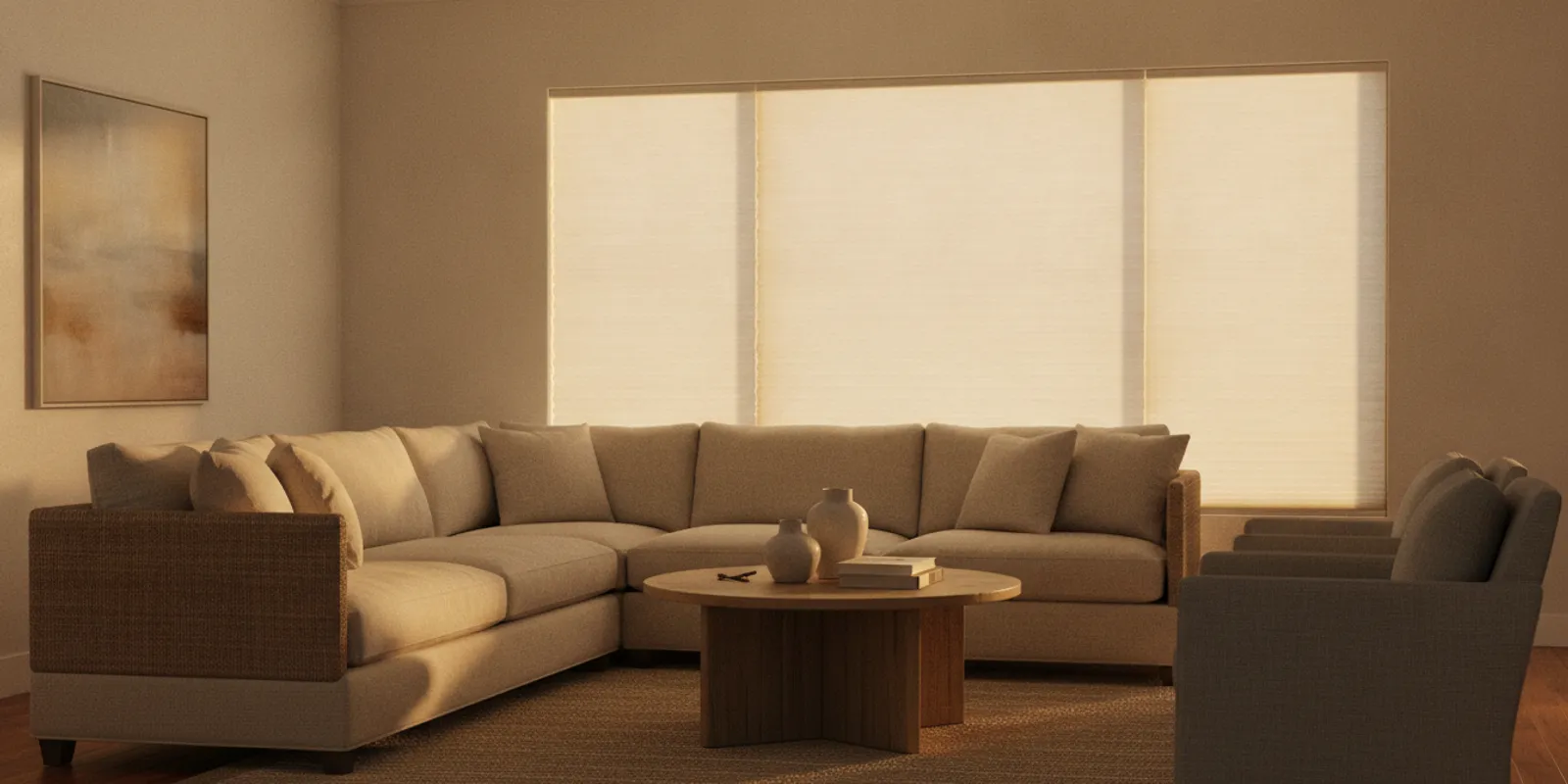
Cellular shades are engineered specifically for thermal performance. Their folded fabric creates honeycomb-shaped pockets that trap air between the window and your room, functioning like an extra layer of insulation. The trapped air slows heat transfer in both directions: blocking outdoor heat in summer and retaining indoor warmth in winter.
Key performance factors:
- Double-cell construction outperforms single-cell by adding a second insulating air pocket. For inland Southern California homes where summer temperatures regularly exceed 95°F, this upgrade makes a noticeable difference.
- Blackout fabrics block virtually all light and add an additional thermal barrier beyond what light-filtering options provide.
- Custom fit eliminates gaps between the shade and window frame, preventing air leaks that undermine the insulating effect.

Studies from the Department of Energy show cellular shades can reduce heat gain through windows by up to 62% in summer and cut heat loss by roughly 40% in winter. For a deep breakdown of specific products and performance ratings, read our guide to the best cellular shades for energy efficiency.
Plantation Shutters: Durable Year-Round Performance
Plantation shutters create a solid barrier between your window glass and living space. When closed, the louvers and frame form an air pocket similar to cellular shades, though less uniform. Their rigid construction gives them an edge in durability and longevity that soft window treatments cannot match.
Why they work well in Southern California:
- Adjustable louvers let you fine-tune light and airflow without opening the window, giving you control over heat gain throughout the day.
- Composite and Polycore shutters resist warping from heat and humidity, making them a reliable choice for sun-facing windows.
- Their solid construction reflects sunlight before it hits the glass, reducing the greenhouse effect inside the room.
Shutters do not match the R-value of double-cell honeycomb shades, but they offer better UV protection and a longer lifespan. Faux wood and Polycore options from brands like Sunland deliver strong thermal performance without the maintenance that real wood requires.
Solar Shades: Built for Sun Control
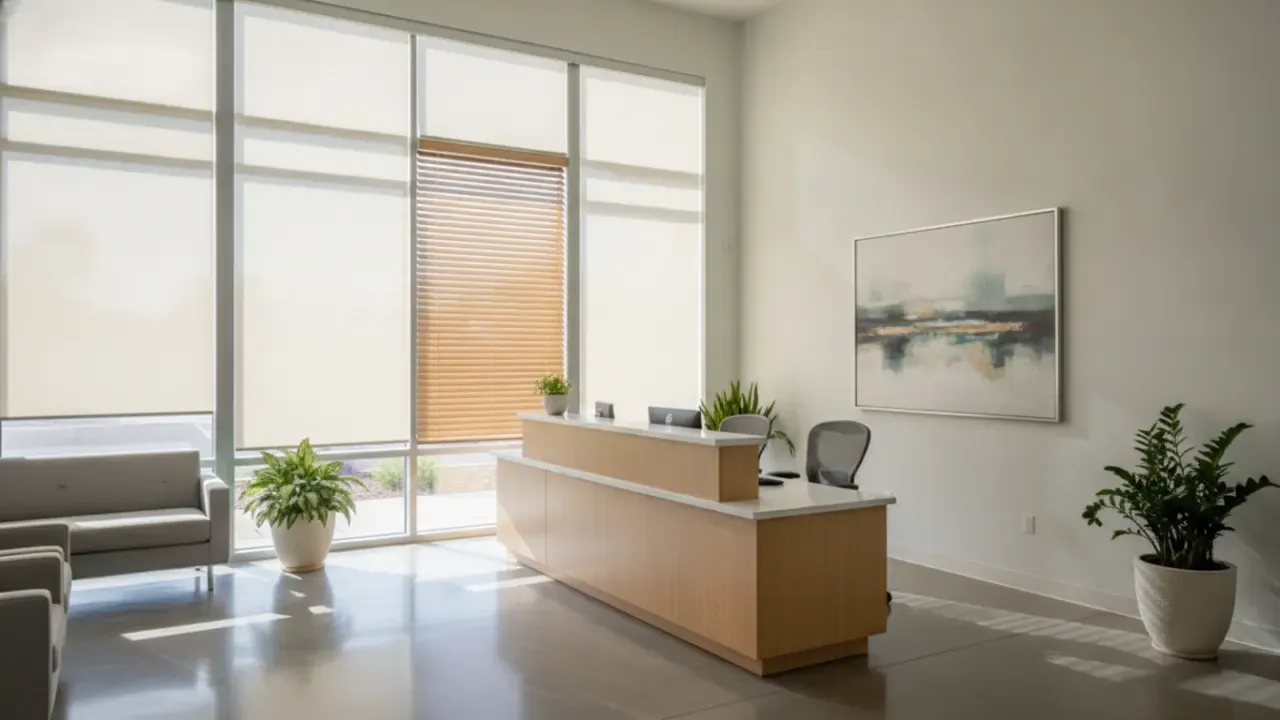
Solar shades use a specialized mesh fabric to filter UV rays and reduce glare while still letting you see outside. Their openness factor (ranging from 1% to 14%) determines how much light and heat passes through: lower percentages block more heat but reduce visibility.
Performance by openness factor:
- 1% to 3%: Blocks 95% or more of UV rays and the majority of solar heat. Ideal for west-facing windows that take a beating from afternoon sun.
- 5% to 7%: Balances heat reduction with decent outward visibility. Works well for living rooms and offices.
- 10% to 14%: Maintains the view but provides limited heat reduction. Better suited for shaded or north-facing windows.
Solar shades excel at reducing glare and protecting furniture from UV damage, but they do not insulate as well as cellular shades or shutters. Pair them with insulating window treatments for rooms where you want both a view and thermal control. Check out our comparison of the best solar shades for heat blocking for product-specific recommendations.
Blackout Roller Shades: Maximum Light and Heat Blocking
Blackout roller shades use thick, opaque fabric to completely block light entry. While they are often chosen for bedrooms, their thermal benefits are substantial. By preventing all sunlight from passing through the window, they eliminate the solar heat gain that drives up cooling costs.
Where they shine:
- South and west-facing bedrooms that overheat in the afternoon
- Media rooms and home offices where glare and heat are both problems
- Any room where you want maximum temperature control without visible hardware
For bedrooms specifically, blackout roller shades deliver a one-two punch: better sleep from total darkness and lower cooling bills from reduced heat gain. Motorized versions let you schedule them to close before peak sun hours, automating your efficiency gains.
Cordless Cellular Shades: Safety Meets Efficiency
If you have children or pets in the house, cordless cellular shades give you the same insulating honeycomb construction without dangling cords.
Cordless designs are now the default recommendation for homes with young children. Many manufacturers have moved away from corded models entirely, so choosing a cordless option no longer means a compromise on style or function.
Energy Efficiency by the Numbers: What to Expect
Exact savings depend on your home's orientation, window size, existing insulation, and local utility rates. That said, industry research provides useful benchmarks:
| Window Treatment | Summer Heat Gain Reduction | Winter Heat Loss Reduction | Best For |
|---|---|---|---|
| Double-cell cellular shades | Up to 62% | Up to 40% | Maximum insulation |
| Plantation shutters | Up to 50% | Up to 35% | Year-round durability |
| Solar shades (3% openness) | Up to 65% | Minimal | Sun control with a view |
| Blackout roller shades | Up to 55% | Up to 25% | Total light and heat block |
| Standard blinds (aluminum) | Up to 25% | Minimal | Budget option |
For an average 2,000 square-foot home in Riverside County with 15 windows, upgrading from basic aluminum blinds to double-cell cellular shades could reduce annual cooling costs by $200 to $400, depending on current utility rates and how many windows receive direct sun exposure.
Call Vineyard Blind & Shutter at (951) 757-4188 for a free consultation today.
Room-by-Room Recommendations for Southern California Homes
The best window covering depends on the room's function, sun exposure, and how you use it.
Living Room and Family Room
These high-traffic spaces benefit from a combination approach. Solar shades on west-facing windows maintain the view while cutting afternoon heat, paired with double-cell cellular shades on south-facing windows for maximum insulation. If you prefer a cohesive look, plantation shutters provide solid performance on all exposures with a uniform appearance.
Kitchen
Moisture and grease are the main concerns. Faux wood blinds and Polycore shutters hold up well in kitchens because they resist humidity and wipe clean easily. Avoid fabric-based cellular shades near cooking areas where they can absorb grease and odors over time.
Bedrooms
Blackout cellular shades combine peak thermal performance with total darkness for better sleep. Double-cell blackout options offer the strongest insulation of any soft window treatment. For west-facing bedrooms that turn into ovens by late afternoon, this is the single most impactful upgrade you can make.
Bathrooms
High moisture rules out natural wood products. Polycore shutters and moisture-resistant faux wood blinds are the go-to options here. They tolerate steam and humidity without warping, while still providing insulation and privacy.
Home Office
Glare reduction matters as much as heat control. Solar shades with a 3% to 5% openness factor reduce screen glare while maintaining natural light. Pair them with a light-filtering cellular shade for evenings and maximum insulation during peak heat hours.
How to Maximize Energy Savings From Window Coverings
The right product is only half the equation. How you install and use your window treatments determines whether you get 20% of their potential or 90%. Here are the factors that make the biggest difference.
Custom Fit Over Off-the-Shelf
Big box store window coverings come in standard sizes. If your window is 35 inches wide and the closest option is 36 inches, that one-inch gap on each side creates a chimney effect where warm air rises between the shade and glass, pulling in more warm air from below. Custom-measured treatments eliminate these gaps and create the sealed air pocket that drives insulation performance.
Inside Mount When Possible
Mounting inside the window frame creates a tighter seal than outside mounting. This reduces air exchange around the edges of the covering and maximizes the insulating effect. Inside mounts also look cleaner and take up less wall space.
Operate Them Strategically
Summer routine: Close coverings on sun-facing windows before the heat hits. South-facing windows get direct sun from mid-morning to mid-afternoon; west-facing windows take over from mid-afternoon until sunset. Closing shades 30 minutes before direct sun exposure is more effective than waiting until the room already feels warm.
Winter routine: Open south-facing window coverings during the day to capture free solar heat, then close them at sunset to trap that warmth inside. Keep north-facing coverings closed all day since those windows only lose heat without gaining any.
Consider Motorization
Motorized window treatments can be programmed to open and close on a schedule, tied to sunrise and sunset times. This removes the human element (forgetting to close the blinds before leaving for work) and ensures your coverings are always working for you. Smart home integration with Alexa or Google Assistant adds voice control and automation triggers based on temperature sensors.
What About Window Films and Tinting?
Window film is sometimes suggested as an energy-saving solution, and it does reduce solar heat gain. However, it has significant limitations compared to window coverings:
- Window film is permanent and cannot be adjusted throughout the day
- It reduces natural light even when you want it, unlike shades that can be raised
- Some films void window manufacturer warranties
- Film does not provide the insulating air gap that cellular shades and shutters create
For most Southern California homeowners, adjustable window coverings are a better investment because they let you respond to changing conditions. Close them during peak heat, open them when you want natural light or passive solar warming in winter.
Southern California Energy Rebates and Incentives
Some energy-efficient home improvements qualify for rebates or tax incentives. While window coverings are not currently listed under federal tax credits (which focus on windows, doors, and insulation), check with your local utility provider. Southern California Edison and San Diego Gas and Electric occasionally offer rebate programs for home energy improvements. Additionally, the energy savings from efficient window treatments contribute to meeting California's Title 24 energy code requirements for new construction and major renovations.
Get Expert Help Choosing the Right Window Coverings
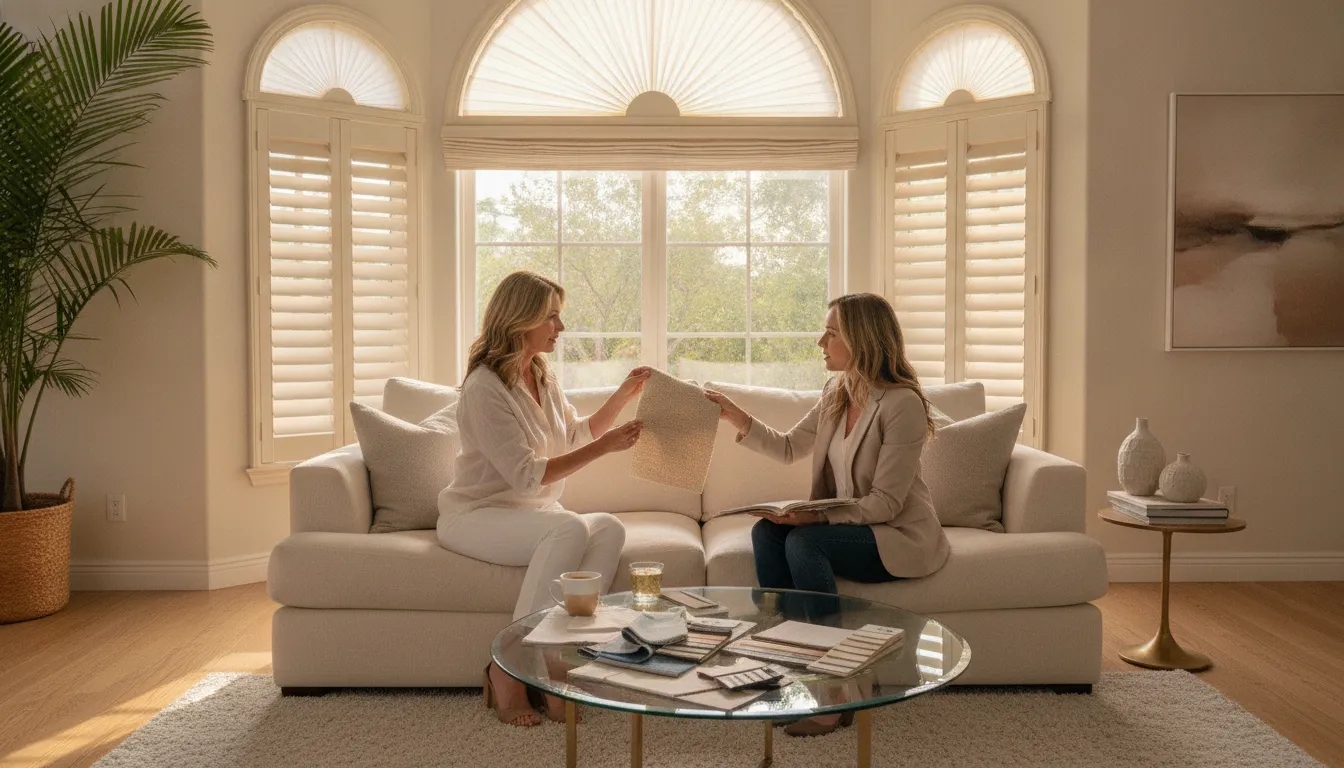
Every home is different. Window orientation, existing insulation, ceiling height, and how you use each room all affect which energy-efficient window coverings will make the biggest impact. That is why Vineyard Blind and Shutter brings a mobile showroom directly to your home, so you can see products in your own lighting and get personalized recommendations based on your specific windows.
Our team has spent over 20 years helping Southern California homeowners in Riverside County, San Diego County, and Orange County choose window treatments that look great and perform. Every consultation includes free professional measuring and installation, so there is no gap between your investment and the energy savings it delivers.
Schedule your free in-home consultation or call (951) 757-4188 to get started. We match or beat big box store prices on every product we carry.