Cold air pressing against your glass windows can steal up to thirty percent of your home heating. When chilly drafts leak into your living space, your furnace must work much harder to keep you warm.
Thermal blinds for winter protect Southern California homes by creating a thick, insulating barrier of still air directly against drafty glass. This special, multi-layered window treatment slows down heat conduction and blocks chilly convection drafts to keep your family warm during cool winter nights. By preventing warm indoor air from leaving, these high-quality coverings can reduce winter heat loss through drafty glass by up to forty percent. Based on a factsheet from the U.S. Department of Energy, cellular shades use hollow honeycomb cells to trap still air as a strong buffer. Installing these energy-efficient window treatments helps regulate your indoor temperature and successfully lowers your monthly home heating bills.
Call Vineyard Blind & Shutter at (951) 757-4188 for a free consultation today.
Many local homeowners wonder if investing in these window treatments is truly worth the effort when the temperature drops during our cooler months. To explore if these coverings are right for your home, let’s address the question, Do Thermal Blinds Keep the Cold Out? Here’s How They Work.Do Thermal Blinds Keep the Cold Out? Here’s How They Work
According to the U.S. Department of Energy, standard home windows allow about 30% of heating energy to escape through the glass. When winter weather gets cold, thin glass does little to keep warmth inside. This is why many local homeowners seek smart ways to seal their rooms and stop drafts. Call Vineyard Blind & Shutter at (951) 757-4188 for a free consultation today.
Q: Do thermal blinds keep the cold out? A: Yes, thermal blinds keep cold air out by serving as a physical barrier. They slow conduction and convection by trapping still air next to the glass. This pockets the warmth in your room during cold winter nights.
Window Energy Loss in Cold Weather
To understand how these window treatments work, you must first look at how heat moves. Heat always travels toward cold spaces. In the winter, the warm air inside your room moves toward the cold window glass. This process is called conduction. At the same time, cold air near the glass sinks, which creates a chilly breeze called convection. This flow of air makes your room feel drafty and cold.
How Thermal Barriers Slow Heat Loss
Thermal coverings block this movement by creating a tight seal over your glass. These insulating designs slow down conduction and convection near your windows. By placing a thick layer between your room and the cold glass, the barrier keeps your furnace heat where it belongs. This simple change can reduce winter heat loss by up to 40% in your home.
The Power of Still Air Cells
The best thermal treatments, like insulated cellular shades, use a special design to trap air. Their honeycomb cells hold pockets of still air against the glass. Because still air is a poor path for heat, these pockets act as a buffer. The cold air stays locked near the window, and your warm air stays inside. This smart cell structure is effective at stopping winter chill.
A Precise Fit for Better Insulation
To get the most out of your thermal coverings, they must fit your window frames with no gaps. Even small spaces on the sides can let cold drafts slip into your room. This is why our team brings a mobile showroom directly to your home. We measure each window with care and show you how different fabrics perform in your actual lighting. Our custom fit ensures your shades block the cold all winter long.
Call Vineyard Blind & Shutter at (951) 757-4188 to schedule your free in-home consultation today.
What Are the Best Thermal Blinds for Winter?
When the cold winter wind blows, some window coverings work much better than others to keep your home warm. The best options to block drafts and stop heat loss are cellular shades, thermal roman shades, and insulated blackout roller blinds. Each type of product uses a different way to slow down cold air.
Popular choices for winter warmth
Cellular shades are often the best choice for energy savings. These shades use a honeycomb design that traps pockets of still air right against the glass. This traps a buffer of air, which helps keep cold drafts out of your living space. If you want a classic look, thermal roman shades are also a great choice. These shades use thick folds of heavy fabric to slow down the cold air. They add both beauty and thick insulation to any window in your home.
You can also use insulated blackout roller blinds to keep your rooms warm. These roller blinds are made with multi-layered synthetic fabrics or a thick thermal acrylic coating. The backing blocks drafts well while keeping light out. To get the best fit, you can choose custom shades that fit tight against your window frame. This close fit seals the edges so cold air cannot leak into your home.
| Product Type | Insulation Design | Draft Blocking | Price Range |
|---|---|---|---|
| Cellular shades | Air-trapping honeycomb cells | Excellent | $250 - $600 per window |
| Thermal roman shades | Thick fabric folds | Very good | $300 - $750 per window |
| Insulated roller blinds | Thermal acrylic coating | Good | $150 - $400 per window |
| Thermal-lined faux wood | Standard slats with backing | Moderate | $200 - $500 per window |
Energy certification and performance
When you shop for winter window coverings, look for the AERC energy rating. This certification shows that a product has been tested to strict standards. An expert group rates these items to see how well they block heat loss. This rating gives you clear proof of how much energy you can save. You can read the details in the cellular shades factsheet from the U.S. Department of Energy. It shows that certified shades keep your home warm and lower your bills.
How to choose for your home
To find the right option for your home, think about these three key factors:
- Your window sizes: Large windows leak more heat, so they need higher insulation ratings.
- Your daily light needs: Blackout backings work well for bedrooms but may make living rooms too dark.
- Your personal style: Shades should match your room look while they help cut your energy costs.
Choosing the right fit is the most important step to save energy. A small gap on the side of a blind can let cold air pour into your room. This is why custom fit works much better than stock options from big retail stores. Working with a local pro helps you get the exact size you need for every room.
Which Window Covering Types Insulate Best in Winter?
Top insulating styles for cold nights
Many homeowners look for ways to keep their rooms warm when winter weather brings chilly air. While some types of blinds help, other window treatments offer much better protection. Cellular shades are the top choice for blocking cold drafts because of their special shape. These shades have honeycomb cells that trap still air right next to the glass.
This air layer acts as a buffer that stops cold air from entering your room. Another excellent choice is custom-fitted plantation shutters. You can also compare custom blinds for a tailored fit and practical winter light control. When shutters are built to fit your window frame exactly, they seal off the edges where drafts usually sneak in. This tight fit creates a strong barrier against both heat loss and moving air.
You can also use heavy drapes with a thermal lining to cover your windows. Combining drapes with a wood valance or a pelmet helps seal the top edge. This layout stops warm indoor air from cooling down when it hits the glass.
Here is a quick look at how these different options help block cold air:
- Cellular shades trap air in small pockets to block winter heat loss.
- Custom shutters fit tight in the frame to stop drafts from entering.
- Heavy drapes add a thick layer of fabric to block cold glass surfaces.
Why the right fit and seal matter
Heat moves through your home in two ways: conduction and convection. Conduction is when heat passes straight through the glass, while convection is when cold drafts move through gaps. A loose window covering allows air to move freely, which makes your heating system work much harder.
To stop this loss, your window coverings must fit close to the glass and seal the sides of the window. This barrier slows down conduction and blocks cold drafts near the frame. Southern California homes often have large panes of glass, such as sliding doors, that let a lot of heat escape. Using tight-fitting treatments on these large windows is a smart way to stay warm and save energy.
Alternative solutions and certifications
If you want even more protection, you can look for other upgrades. For example, adding storm windows with a low-e coating can boost your thermal performance. These special coatings reflect heat back into your rooms, which works well alongside your shades.
When shopping for new coverings, you should look for AERC-certified products. This rating tells you that the window attachment was tested by an outside group to prove how much energy it saves. Buying certified treatments lets you know that your new coverings will actually keep your home cozy.
How Thermal Blinds for Winter Keep Your Home Warmer
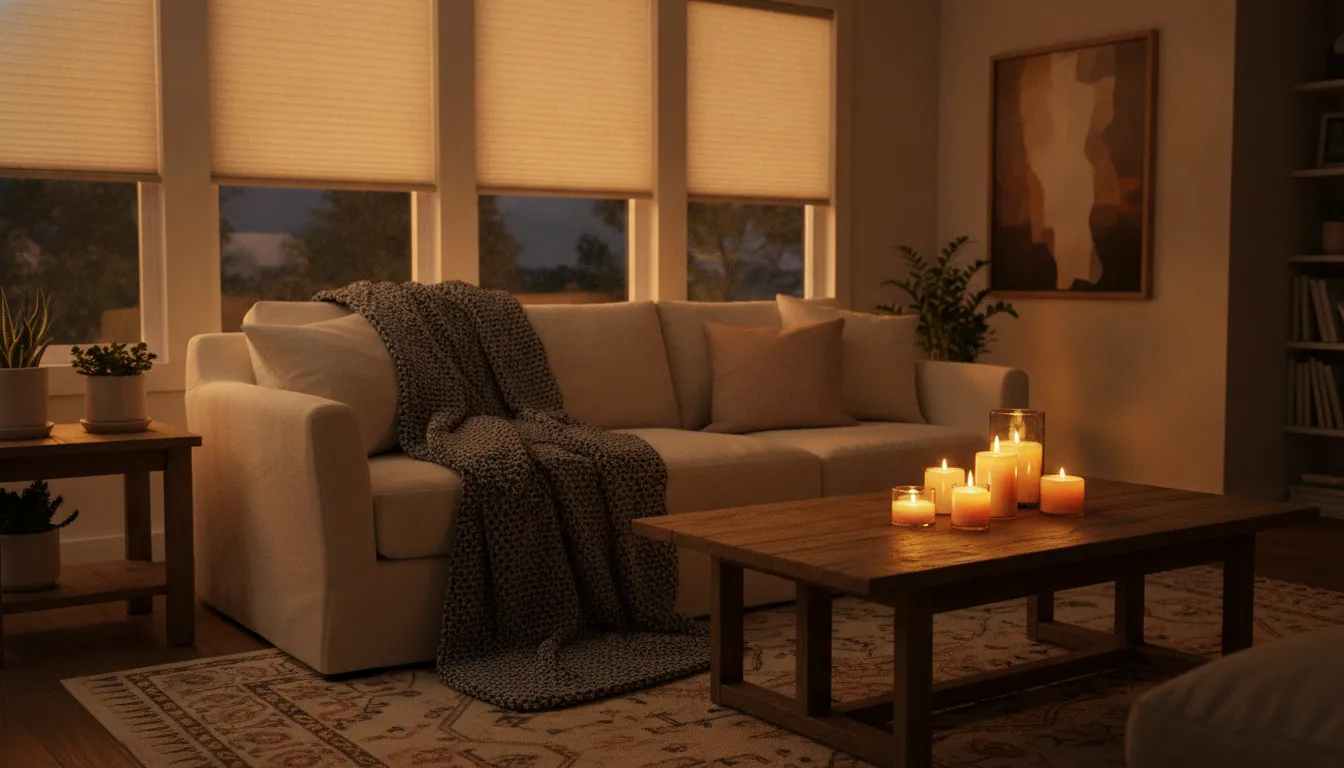
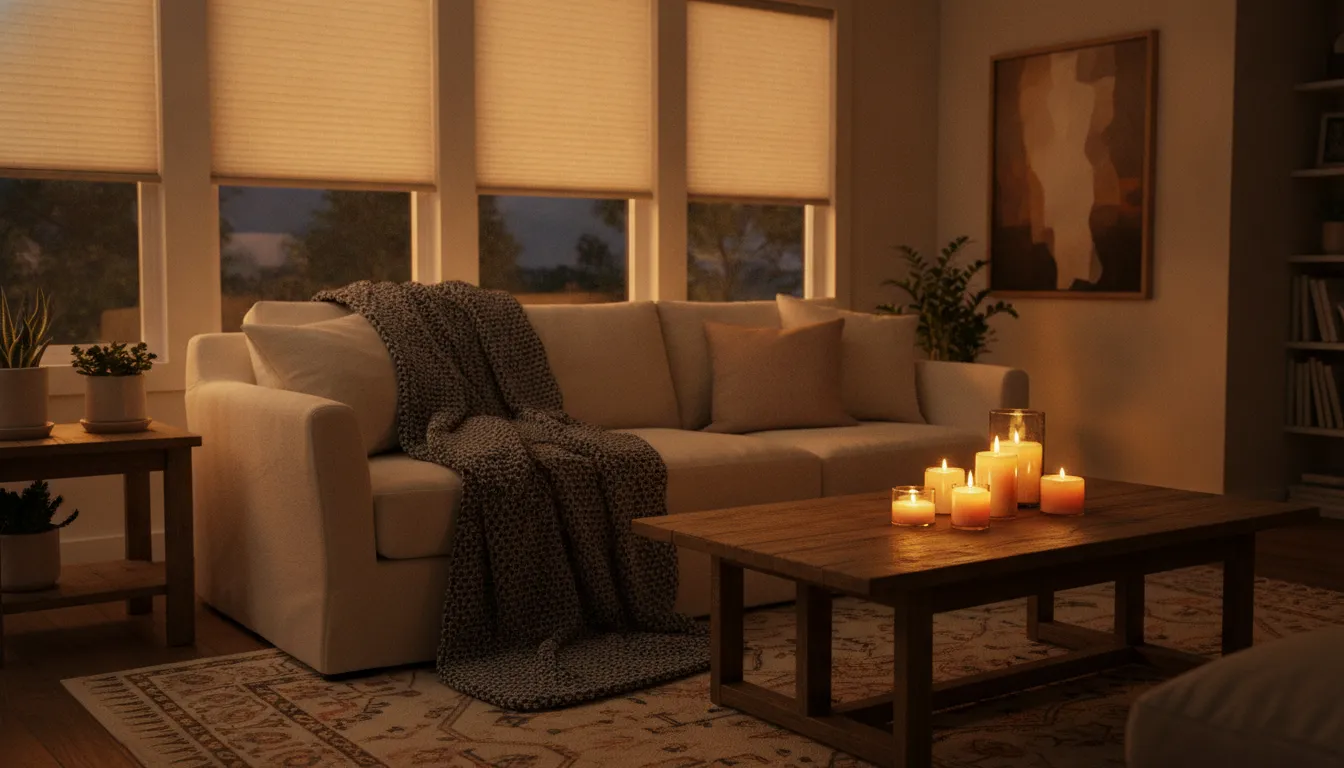
When the cold wind blows through Southern California on winter nights, your home can lose a lot of heat. Much of this heat escapes right through your window glass. Installing thermal blinds for winter is a smart way to stop this energy loss. These window coverings act as a strong shield, blocking the cold and keeping your rooms cozy. By trapping a layer of air next to the glass, they keep your furnace from working too hard.
The Physics of Trapping Still Air
The main way thermal blinds keep you warm is by trapping air. When warm room air touches a cold window pane, it cools down fast. It then drops to the floor and creates a cold draft. Thermal blinds block this movement by trapping pockets of still air against the glass. This still air forms a natural block. It stops heat from moving from your warm living spaces to the cold outdoors.
Slowing Conduction and Convection
Heat travels through your home in two main ways during winter. First, conduction occurs when heat moves directly through solid glass. Second, convection happens when moving air carries heat away. Installing these blinds slows both of these processes. It creates a physical barrier that keeps warmth inside your room. This means you do not have to deal with cold spots near your windows.
Studies show that these special insulating designs can reduce winter heat loss by up to 40% from your home. According to a U.S. Department of Energy factsheet, window attachments are vital tools for home energy management. This barrier means your heater does not need to run as much. You get a warmer house and lower utility bills at the same time. This is why adding a thermal layer to your windows is a wise investment for the cold season.
Why Cellular Shades Lead the Way
When it comes to winter performance, insulated cellular shades are the top choice. These shades have a unique honeycomb shape. This design features hollow rows that look like a bee hive. The cells are made of thick fabric that traps air in pockets right next to the window. Some types even have dual cell layers or Mylar linings for extra defense. This cellular shape is highly effective at stopping heat from leaking out.
With these cells in place, the cold air from the window pane stays locked away. The warm air in your living space will stay where it belongs. This keeps your home warmer, even when Southern California temperatures drop. You can enjoy cozy indoor spaces and use less energy all winter long.
How to Use Your Thermal Blinds This Winter
Many homeowners do not know that about 30% of a home’s heating energy is lost through windows. They buy thermal blinds but do not use them to their full potential.
A study by the U.S. Department of Energy shows that most people keep their shades in the same spot every day. In fact, about three out of four window shades never move. This habit makes them much less helpful because they cannot adapt to daily changes in weather.
In Southern California, our winter days are often warm and sunny, but our nights get very cold. To save power, you must plan when you open and close your window shades. Using insulated cellular shades is a great start. But you will only get the best results if you use them the right way.
Daily habits for window warmth
You can stop heat from leaving your home during cold days and nights. Moving your shades with the sun is the key to keeping your rooms warm.
- Open your blinds in the morning on the side of your home that gets direct sun. A U.S. Department of Energy factsheet notes that this lets solar heat warm your rooms naturally.
- Keep shades closed on windows that stay in the shade. If a window does not get direct sun, keeping the shade down blocks cold air from coming in.
- Close all your window shades as soon as the sun sets. This traps the warm air inside and stops cold night drafts from cooling down your home.
- Keep your shades down on gray or windy days. If there is no sun to warm your house, keeping the shades closed is the best way to stay warm.
Methods for sealing edge gaps
Even good shades cannot do their job if cold air leaks around the sides. Small gaps between the shade and the window frame let cold air enter your room. You can use these simple tips to seal those gaps and block drafts.
- Combine your shades with a pelmet to block air flow at the top of the window.
- Hang heavy drapes or curtains over your shades to seal the side gaps.
- Make sure the bottom of the shade rests flat on the sill to block drafts.
Using your shades the right way will help you stay warm and lower your heating bills. If you want to find the best thermal blinds for winter, we can help. Our team can bring a mobile showroom to your house so you can see and touch our products in your own lighting.
Why Southern California Homes Benefit From Thermal Blinds in Winter
Southern California is famous for its nice weather and sunny days. But when winter comes, local temperatures can drop quickly once the sun goes down. Many local homes have big windows and sliding glass doors to enjoy the view.
These big glass areas are great for letting in light, but they also let warm air escape during chilly nights. For both new and existing homes, adding energy-efficient window coverings is a key step in managing home energy. This is especially true in counties like Riverside, San Diego, and Orange, where desert winds can bring cold night air.
Chilly winter nights and large windows
Plain glass windows offer very little defense against cold winter air. In fact, windows are often the weakest part of a home’s defense. Homeowners get great benefits from thermal blinds on large glass doors and big windows.
According to a verified energy factsheet from the Department of Energy, window treatments help reduce drafty spots and keep rooms warm. These blinds create a buffer of still air that slows down heat loss. This means your heater does not have to work as hard to keep you warm. You will notice the difference at once, even on the coldest nights of the year.
- Stopping cold drafts near large glass areas to keep your rooms comfortable.
- Keeping warmth inside on chilly desert nights when the temperature drops.
- Lowering energy bills when you run your heater during the winter months.
- Providing extra privacy for your family both day and night.
- Shielding your home from the hot sun when the summer heat returns.
The benefits of a local mobile showroom
Choosing the right window coverings can feel hard with so many options. That is why our local, veteran-owned team brings the showroom right to your door. This lets you see and feel different samples in your own room lighting. We even offer a price-match guarantee to beat big box store prices.
You can test how thermal blinds block light and drafts before you buy. Our experts will handle all the measuring and setup for a perfect custom fit. We make the process simple, stress-free, and affordable from start to finish. To get started, you can request your free in-home consultation with our team today.
Call (951) 757-4188 now to book your free in-home consultation for thermal blinds this winter.
Frequently Asked Questions
Do thermal blinds actually keep cold out in winter?
Yes, thermal blinds work as a barrier to keep cold air out. They trap still air against the cold glass. This slows down conduction and drafty convection. According to a U.S. Department of Energy factsheet, the right window coverings can reduce winter heat loss by up to forty percent. This keeps your home warmer and lowers your heating bills.
How do insulating window coverings reduce winter heat loss?
Adding custom shades is an excellent way to start. When you choose insulated cellular shades, the honeycomb cells trap air inside their pockets. This air acts as an extra layer of insulation. It stops indoor heat from escaping through the glass during chilly nights.
How do I stop cold drafts around my window blinds?
Drafts often leak through the small gaps at the sides of your blinds. You can stop this by layering your window treatments. Adding heavy drapes over your blinds helps seal those side gaps. You can also use a pelmet at the top of the window frame to block rising warm air from escaping.
Do Southern California homes really need thermal blinds for winter?
Yes, because our winter nights get quite cold even if our days are warm. Homes here often have large windows and sliding glass doors that let heat escape. Thermal coverings keep your rooms warm after the sun goes down. They also help lower your cooling bills when summer heat returns.
Ready to Stop Losing Heat Through Your Windows This Winter?
Every single day you wait to cover your drafty windows is another day you will pay too much on your heating bills. Cool winter nights will soon drain the warmth from your rooms, making your space cold and forcing your heater to run all night. By booking a free visit today, you can see real thermal product samples in your own home lighting before buying.
Ready to stop wasting money on energy and keep your Southern California home warm all season long? Our local family team is ready to bring the mobile showroom directly to your own cozy living room. Call (951) 757-4188 today to schedule a free in-home consultation with our local experts.