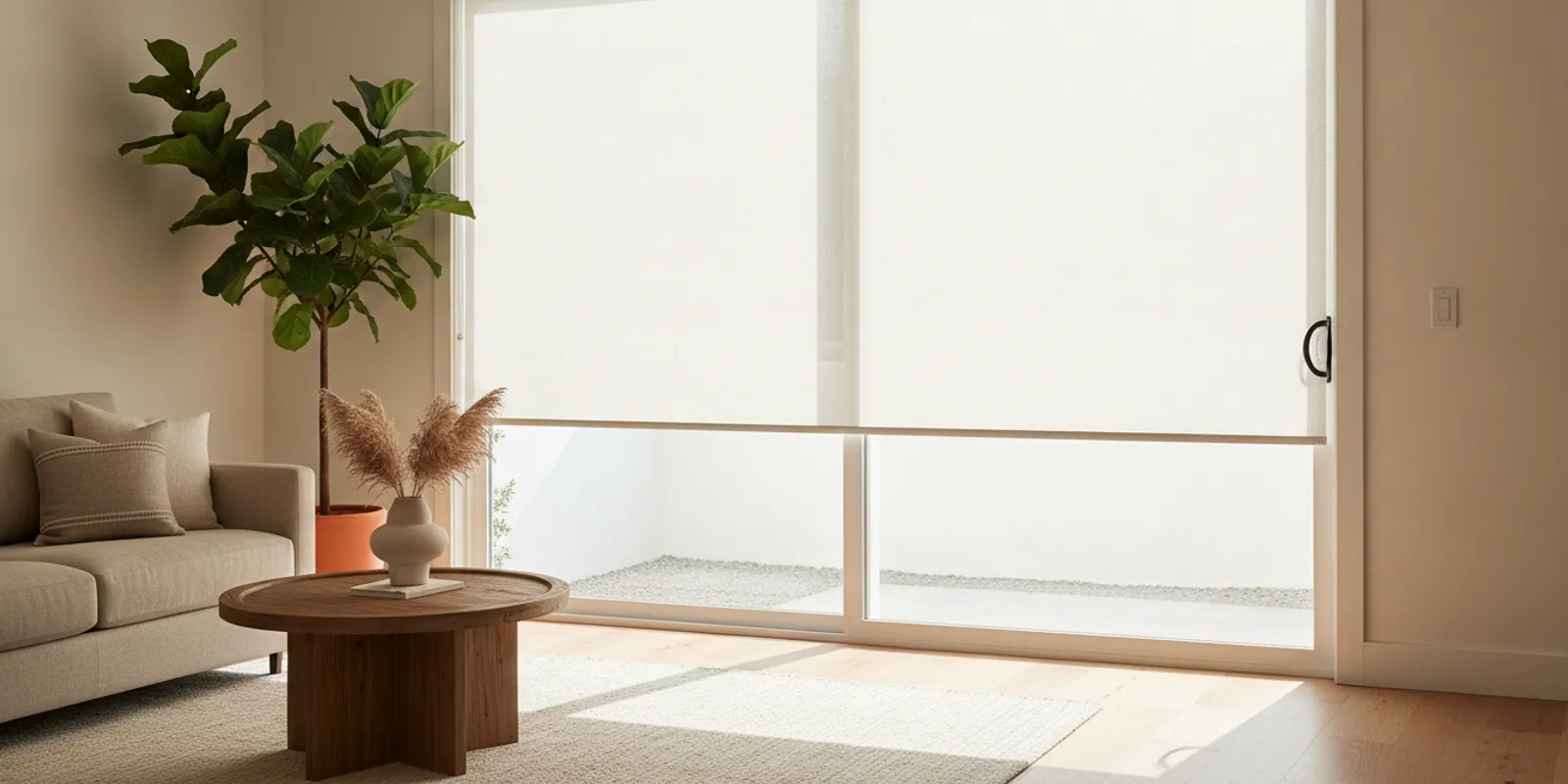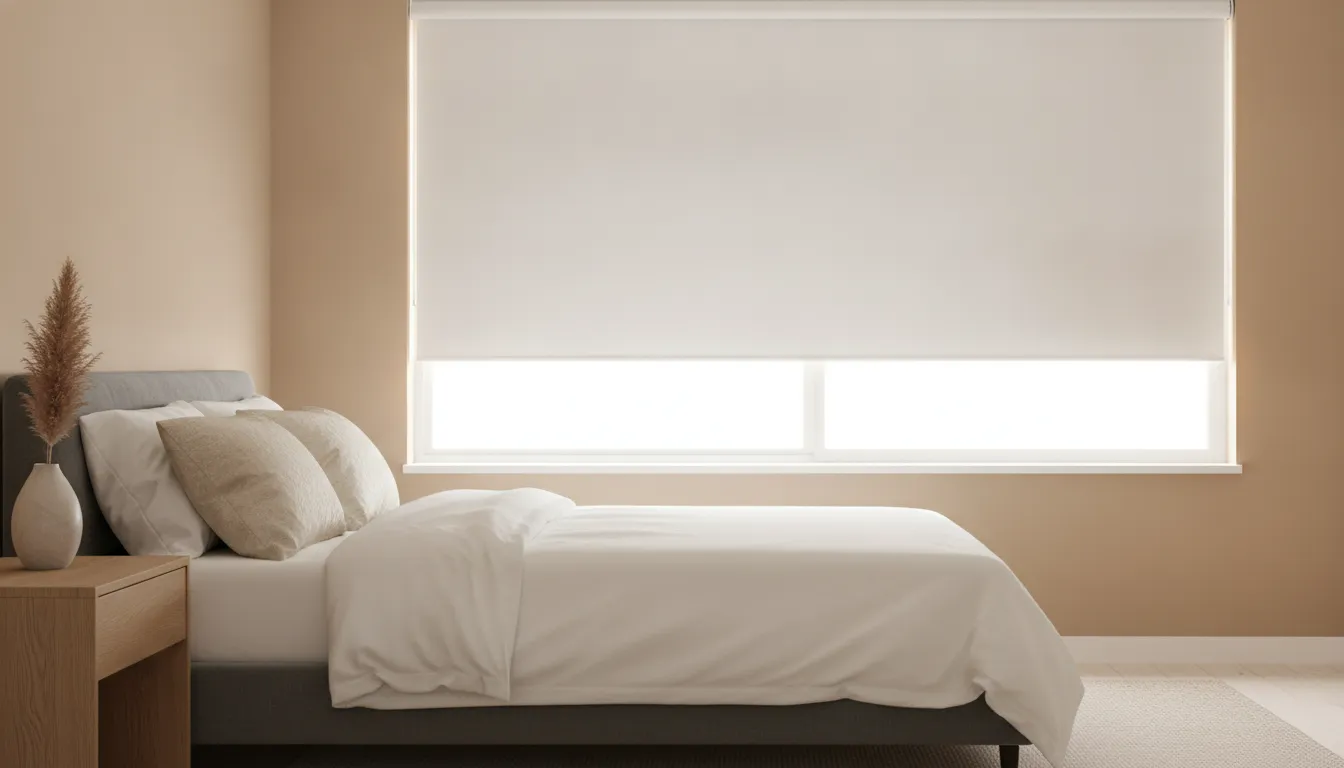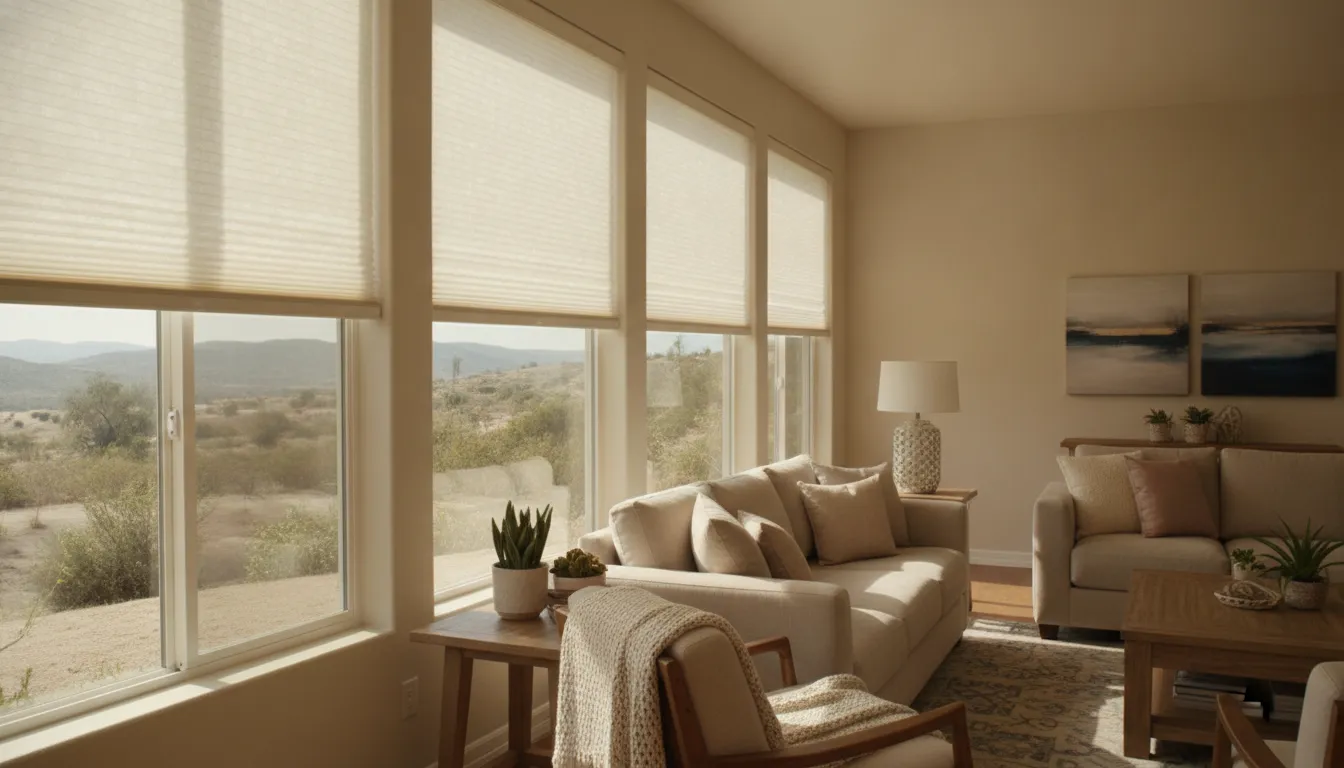
Wildomar windows can make a room feel uncomfortable long before the thermostat changes. Strong afternoon sun, cool glass, glare, and gaps around a covering all affect how a shade performs. The right cellular shade is not just about choosing a color. Cell construction, opacity, orientation, fit, and installation each matter.
Energy efficient cellular shades in Wildomar can support more consistent comfort by using pleated fabric cells to trap air near the window. The Department of Energy explains that cellular shades can filter glare, provide privacy, reduce cold drafts, and limit unwanted solar heat gain. Results depend on the window, mounting, and daily use.
Call Vineyard Blind & Shutter at (951) 757-4188 for a free consultation.
From a sunny west-facing bedroom to a living room that needs softer daylight. The best choice starts with understanding how the shade works and where its details matter most.
How do energy efficient cellular shades in Wildomar work?
The insulating effect starts with the shade's structure. Cellular shades use pleated fabric folded into connected honeycomb cells. Those cells trap air inside the shade. Another layer of still air can remain between the shade and the glass.
The U.S. Department of Energy explains that this design can do more than control daylight. Cellular shades can reduce nighttime heat loss, minimize cold drafts near windows, and reduce unwanted solar heat gain. Read the Department of Energy cellular-shades factsheet for the technical explanation.
That matters in Wildomar because a window treatment needs to respond to the room, the glass, and the home's exposure together. A cellular shade will not make every room perform identically. Its layered construction can support a more comfortable space when it is selected and fitted for the window. It can also filter glare and provide privacy without removing all natural light.
How do the cells hold air?

Think of each cell as a small pocket that slows air movement near the window. The pleated fabric creates more structure than a flat shade. This gives the treatment a way to buffer the indoor room from the glass.
Some cellular shades also use low-emissivity surfaces inside the cells. According to the Department of Energy, these surfaces can reflect ultraviolet or infrared light and increase the shade's insulating performance. The practical benefit depends on the product, the window, the installation, and how the shade is operated.
Single-cell or dual-cell construction?
Single-cell shades use one layer of honeycomb pockets. They can suit a homeowner who wants a streamlined treatment with light control and added comfort. Dual-cell shades add another cellular layer. This creates more air pockets and a thicker construction.
Vineyard's product guidance describes dual-cell construction as providing enhanced insulation. The right choice still depends on the room, window size, desired appearance, and budget. Comparing samples in the home's actual lighting is often more useful than choosing by a product label alone. Explore custom window shades to compare cellular options with other styles.
Which opacity and cell options fit Wildomar rooms?
Opacity and cell construction solve different problems, so choose them separately. Opacity controls how much daylight, glare, and privacy a room receives. Cell construction affects how much air the shade can help hold near the window. The right combination for a bright living room may not suit a bedroom, nursery, or home office.
The Department of Energy notes that cellular shades can control daylight, filter glare, provide privacy, and reduce unwanted solar heat gain. Those benefits depend on the window, installation, and use. No single option is best for every room.
| Option | Room use | Light and privacy | Comfort consideration |
|---|---|---|---|
| Light-filtering | Living rooms, kitchens, and spaces where daylight is welcome | Softens glare and maintains useful daylight. Silhouettes may show when interior lights are on. | Balances an open feeling with moderated sunlight. |
| Room-darkening | Bedrooms, media rooms, and rooms used for naps | Reduces incoming light and can improve privacy. Small gaps may still allow edge light. | Useful when direct sun or early brightness disrupts the room. |
| Single-cell | Moderate-exposure rooms where a streamlined profile fits | Can pair with either light-filtering or room-darkening fabric. | Provides cellular air pockets and a simpler construction. |
| Dual-cell | Rooms where added insulation is a priority | Can pair with either opacity choice. Fabric controls daylight and privacy. | Vineyard describes dual-cell construction as providing enhanced insulation. |
Consider the room's actual use before choosing the fabric. A west-facing office may need glare control without losing all daylight. A bedroom may favor room-darkening privacy. A sunny room may benefit from a light-colored, insulating honeycomb option. Vineyard's custom window shades can be assessed by room, window, and comfort goal.
How much do fit and side gaps matter?
A cellular shade works best when its size and mounting position suit the window. The goal is not simply to cover the glass. It is to create useful coverage while allowing the shade to operate around trim, handles, locks, and nearby furniture.
With an inside mount, the shade sits within the window recess. This can create a clean, built-in appearance and leave the surrounding trim visible. It requires enough depth for the hardware and shade. A handle or crank may limit how close the shade can sit, while uneven trim can affect the final fit.
An outside mount attaches above or beyond the recess. This approach can cover more of the window when the opening is shallow, irregular, or crowded by hardware. It may also suit a homeowner who wants the treatment to overlap the frame. The correct choice depends on window construction, trim, operating hardware, and appearance.
Why side gaps deserve attention
Small spaces at the sides can allow daylight to show around the shade. They may reduce privacy at certain angles. They can also make glare harder to manage when direct sun reaches the room from the edge of the covering.
That does not mean every window needs the same overlap. No exact gap percentage or savings guarantee is established here. The practical priority is a close, appropriate fit for the window and its surroundings.
The Department of Energy identifies well-fitted cellular shades as an affordable alternative to high-efficiency replacement windows. Vineyard's product guidance recommends mounting treatments close to the window and creating a tight seal against the frame. For broader context, read this guide to energy-efficient window coverings.
Professional measurement helps account for width, height, recess depth, trim, handles, and the intended mount. In a Wildomar home, that assessment can clarify whether a cellular shade should prioritize light control, privacy, or close coverage around an awkward opening.
How should window orientation change shade use?
The direction a window faces can change what you notice most in the room. An east-facing window may bring strong morning brightness. A west-facing window can create difficult late-afternoon glare. South-facing windows may receive extended sunlight during parts of the year.
These are practical starting points, not guarantees. Nearby buildings, trees, roof overhangs, glass type, and room use also affect the result. The Department of Energy notes that window-covering performance depends on mounting, occupant use, orientation, and climate. It also reports that results are climate dependent.
East-facing windows
Morning light can be welcome in kitchens, breakfast areas, and home offices. It may also create glare on a screen or make a bedroom uncomfortable early in the day. Light-filtering fabric may soften brightness while preserving some daylight. Room-darkening fabric may suit a room that needs stronger control.
South-facing windows
South-facing rooms can benefit from a shade that supports glare and solar-heat management during direct sun. In a living room, the shade may be lowered during the brightest part of the day and raised when softer daylight is more useful.
Light-colored options may help reflect heat and light in summer, according to Vineyard's product guidance. Color alone should not be treated as a guaranteed temperature solution.
West-facing windows
Late-day sun can disrupt rooms used after work or school. Lowering shades before the strongest glare arrives may make the space more comfortable. For televisions and monitors, opacity and glare control may matter more than maximizing daylight.
Seasonal operation can change the priority. Vineyard's guidance recommends closing treatments during the day and opening them at night in summer. In winter, opening shades for available sun and closing them at night may support a different comfort goal. See solar shades versus cellular shades for related considerations.
What should Wildomar homeowners expect from professional installation?
The installation process should begin with decisions made around your windows, not from a catalog alone. Vineyard Blind & Shutter offers free professional measuring in Wildomar. The visit helps reduce measurement errors and identify the appropriate mount type before the shades are ordered.
The installer can review window depth, trim, handles, nearby walls, and the way the shade needs to operate. You can discuss whether an inside or outside mount makes more sense for each opening. Every window in the home does not need the same approach.
See samples in your own rooms
Vineyard's mobile showroom brings samples to your home. You can compare fabrics, colors, and finishes in the room where they will be used. Existing flooring, furnishings, and natural light remain in view.
This is useful when choosing between light-filtering and room-darkening options. It also helps when evaluating a shade on a bright east- or west-facing window. A sample that looks right under showroom lighting may feel different beside your own walls and furniture.
From custom production to the final fit
After measurements and product decisions are confirmed, the shades are custom manufactured to the required specifications. Professional installation uses product-appropriate methods to secure the treatment and support proper operation. The installer can check that the shade clears nearby obstructions and moves as intended.
Vineyard is headquartered in Wildomar and serves Riverside County, along with San Diego and Orange Counties. To schedule an in-home consultation, speak with the team about your windows and room priorities. You can also review the company's Southern California service areas.
What is a practical checklist for choosing cellular shades?
A short checklist can keep a shade decision focused on how each room is used. A sunny bedroom, street-facing living room, and home office with afternoon glare may need different choices.
- Match the shade to the room's primary comfort goal.
- Consider light, privacy, orientation, fit, and operation together.
- Confirm measurements and mounting conditions before ordering.
- Start with the room's goal. Decide whether the priority is glare, privacy, solar heat, nighttime comfort, or daylight control. The Department of Energy notes that cellular shades can filter glare, provide privacy, and reduce unwanted solar heat gain.
- Check orientation. Note whether the glass faces east, south, or west. Consider when the room is occupied and when the strongest light arrives.
- Choose opacity. Light-filtering fabric may suit a living area. Room-darkening material may suit a bedroom, media room, or nursery. If young children are present, ask about cordless operation.
- Review the mount and side gaps. Decide whether an inside or outside mount better suits the trim, handles, depth, and window shape. A close fit helps limit unwanted gaps.
- Plan professional measuring and installation. Have the window checked for dimensions, mounting space, and structural considerations. Vineyard's mobile showroom lets you view samples in your home's actual lighting.
Frequently Asked Questions
Do cellular shades help block heat in summer?
They can help reduce unwanted solar heat gain while filtering glare and providing privacy. Results depend on the window, shade selection, fit, and operation. The Department of Energy notes that cellular shades can reduce solar heat gain and control daylight.
Are double-cell cellular shades better than single-cell shades?
Not automatically. Dual-cell construction can provide enhanced insulation, while single-cell shades may suit a simpler profile or different light-control need. Compare exposure, room purpose, privacy, and fabric options.
Do cellular shades help with winter heat loss?
They can help limit nighttime heat loss and cold drafts near windows, especially when fitted and positioned well. Opening shades for winter sunlight and closing them at night is one practical approach.
How tightly should cellular shades fit the window?
A close, accurate fit matters because side gaps can allow light and moving air around the shade. The correct mount depends on trim, handles, depth, and window construction.
Should I have cellular shades professionally measured?
Professional measuring can reduce ordering errors and identify the best mount type before shades are made. Installation helps confirm that finished shades operate correctly and sit as intended.
Ready to choose cellular shades for your Wildomar home?
The right cell construction, opacity, fit, and installation approach can make it easier to manage comfort, glare, and privacy. For guidance based on your windows and routines, call Vineyard Blind & Shutter at (951) 757-4188 to schedule a free in-home consultation for energy efficient cellular shades in Wildomar.