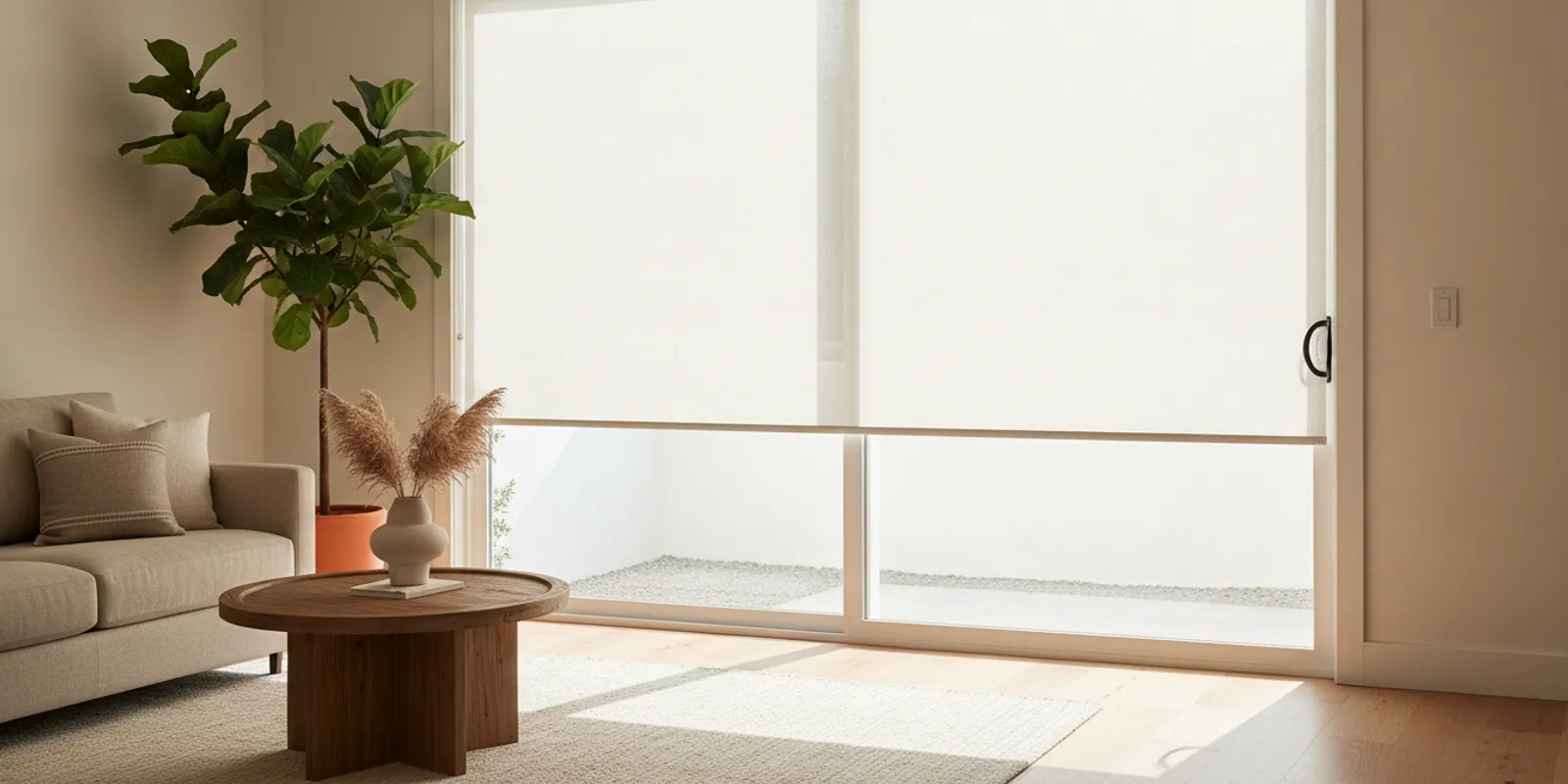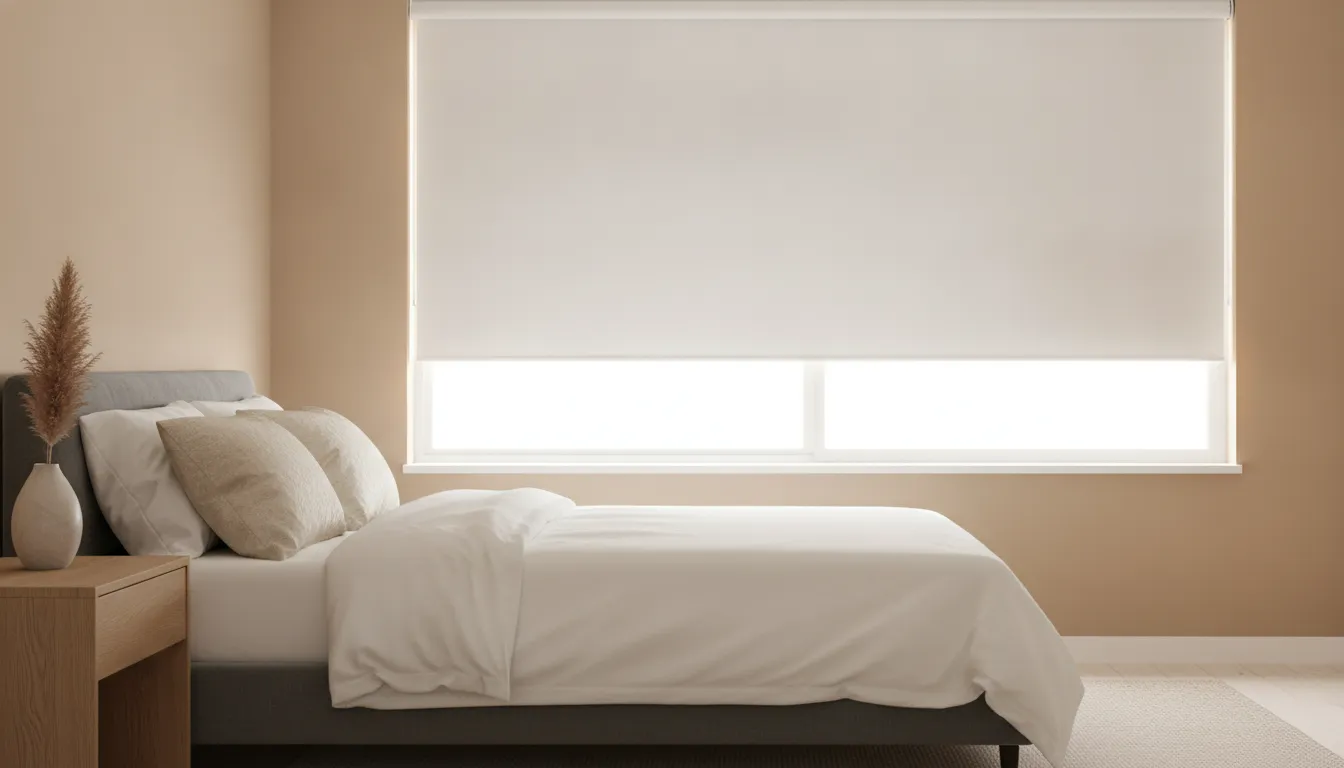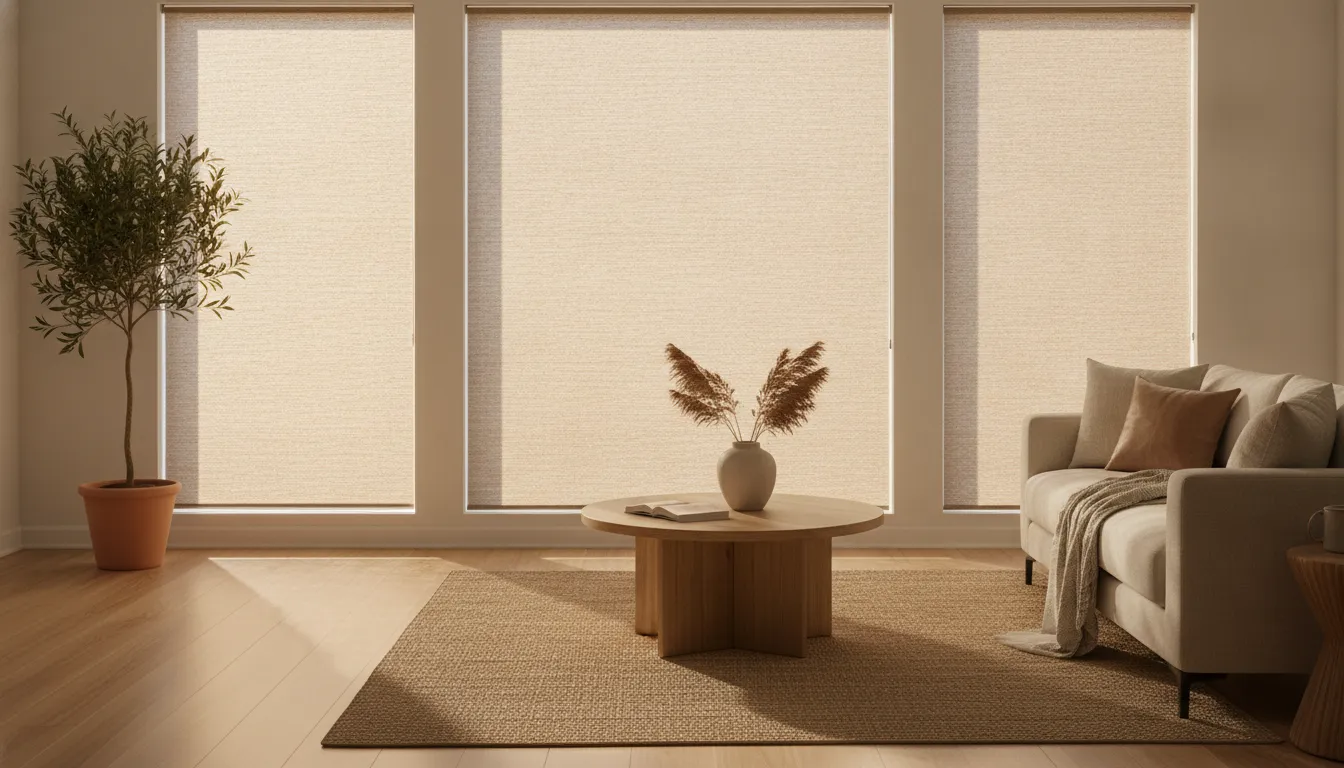
Summer sun can make a room uncomfortable long before the thermostat catches up. The right window covering needs to balance solar exposure, glare, privacy, daylight, appearance, and how closely it fits the window. That is why a shade that looks attractive in a showroom may need a closer look in your own room and at different times of day.
Call Vineyard Blind & Shutter at (951) 757-4188 for a free in-home consultation.
What should you look for in insulated roller shades for summer heat? Compare the shade’s fabric and backing, light-control level, mounting style, fit, and documented product performance. These features can influence comfort, but blackout or room-darkening alone does not prove insulation or heat reduction. Confirm the specifications for the exact product before choosing.
This guide breaks down those decisions in practical terms, starting with what manufacturers and homeowners should mean when they describe a roller shade as insulated. You will also see how fabric choice, window orientation, mounting, and professional measuring affect the final result.
What Are Insulated Roller Shades for Summer Heat?
What “insulated” should mean
For shoppers dealing with Southern California summer sun, an insulated roller shade is not simply any shade marketed with a thermal-sounding label. The useful question is what the product is made to do at your window. Look at the fabric, any backing or lining, how the shade fits, and whether the manufacturer provides product-specific performance information.
Fabric and backing influence how much daylight enters and how the window feels in use. A shade can soften bright light, improve privacy, or reduce glare without automatically providing the same insulation as a purpose-built thermal treatment. Likewise, a room-darkening or blackout option controls light, but that feature alone does not prove that it will reduce indoor heat.
Can roller shades help with summer heat?
They may help manage the experience of summer sun by limiting light and glare, especially when they are closed during the brightest part of the day. However, the result depends on the specific product, window, exposure, installation, and other conditions in the room. There is no universal heat-reduction result that applies to every roller shade.
That distinction matters because summer shoppers are balancing several goals at once: reducing indoor heat, maintaining useful daylight, protecting privacy, preserving an outdoor view, and keeping the room attractive. Vineyard Blind & Shutter treats summer sun and indoor heat as real customer concerns, while avoiding broad promises that are not supported by product documentation.
What should you verify before choosing?
Ask for the shade’s documented performance details rather than relying on the word insulated alone. Confirm what the fabric and backing are designed to accomplish, how the treatment is intended to be mounted, and whether the specification applies to your window type and climate. Professional measuring can also help identify the appropriate fit and mounting approach.
You can compare custom window shades in the context of your room, where natural light, decor, and window size are easier to evaluate. The goal is a shade that matches the actual priority for each window, not a blanket claim about an entire product category.
How Do Roller Shade Fabrics Control Light, Glare, and Privacy?
Opacity sets the starting point
Fabric opacity describes how much light a shade allows through. A more open or light-filtering fabric can soften bright sunlight and preserve a lighter room, while a more opaque or room-darkening fabric gives stronger control over brightness and privacy. The right choice depends on what you want the window to do, not simply on choosing the darkest fabric available.
For a living room, you may want daylight and an outside view without harsh reflections on a television. In a bedroom or street-facing room, privacy and reduced morning light may matter more. Look at samples in the room where they will be installed, because wall color, flooring, furnishings, and the direction of the window can change how the fabric appears.
Glare control is not the same as insulation
Reducing glare can make a room more comfortable and easier to use, especially near large windows or work areas. It does not, by itself, prove that a roller shade will reduce indoor heat or insulate the window. Blackout or room-darkening performance also describes light control, not an automatic thermal result. For an insulated roller shade, ask which fabric, backing, construction, and documented product specifications support the performance you need.
This distinction matters when comparing summer options. A shade can improve privacy and diffuse daylight while still requiring a separate review of solar heat gain and window fit. Avoid transferring insulation claims from cellular construction to roller fabrics without product-specific evidence.
Compare the view, privacy, and daily use
Consider when you need privacy and when you want the view. A fabric that works well during bright daytime hours may offer a different privacy experience at night when interior lights are on. Also consider whether the shade will be adjusted frequently, whether glare affects a screen, and how much natural light you want to keep.
For a focused comparison of construction and performance tradeoffs, review these roller and cellular shade differences. Then evaluate the actual fabric samples and specifications for each window rather than assuming one opacity works throughout the home.
Which Features Should You Compare Before Choosing?
Once you know how much light and privacy each room needs, compare the details that affect daily comfort and usability. A shade can look ideal in a sample but feel different once it is installed beside a bright window, used every day, and viewed with your room’s existing colors.
Construction, fabric, and appearance
Start by asking what the fabric and backing are designed to do. Compare light-filtering and room-darkening options separately from insulation. Blocking more light does not automatically prove that a shade reduces heat. Ask for product-specific documentation rather than assuming that every shade labeled insulated performs the same way.
Color is worth comparing in the room, not only under showroom lighting. Vineyard’s mobile showroom lets you view samples in your actual decor and natural light. You can also compare texture, visible backing, and how much the shade changes the room’s appearance. For broader guidance, review these energy-efficient window coverings with the same focus on documented performance.
Operation, privacy, and maintenance
Use a practical checklist for each window:
- Fabric openness or opacity, and the balance of daylight, glare control, privacy, and outside view.
- Manual operation, cordless safety, or motorization based on reach, window size, and household needs.
- Cleaning requirements, including whether the fabric and backing can be dusted or wiped as recommended.
- Color and texture in the room’s actual lighting, especially near strong afternoon sun.
- Any documented warm-climate or product performance rating, rather than a general promise about heat reduction.
Motorization is available for most blind and shade product lines, but confirm compatibility with the exact shade you are considering. It may also make it easier to manage treatments consistently during bright parts of the day.
Compare like with like
If cellular shades are part of your shortlist, use the Department of Energy cellular-shades factsheet for cellular comparison context only. Do not transfer cellular construction details or performance ratings to roller shades. The strongest comparison is the one that matches each product’s documented construction, your window’s conditions, and the comfort goal you actually want to solve.
Why Do Fit and Mounting Matter for Summer Comfort?
Inside mount versus outside mount
An inside mount fits the shade within the window opening, creating a clean appearance and leaving more of the surrounding trim visible. An outside mount attaches over the opening and can be useful when the window frame is shallow, uneven, or unable to accommodate the selected hardware. It may also help cover more of the glass area. The right choice depends on the window construction, trim, handles, depth, and the way you want the treatment to look when closed.
Either option can leave unwanted gaps if the opening is measured incorrectly or the shade is not suited to the frame. Those gaps affect privacy and light control first. They can also change how well the treatment serves its intended summer purpose. A close-to-window mounting approach is one strategy Vineyard may assess, but mounting alone should not be treated as a guaranteed or quantified energy saving.
Separate shade gaps from building air leaks
A window treatment is not a substitute for repairing a leaky window assembly. Caulk is generally used for stationary cracks, gaps, or joints smaller than one-quarter inch, while weatherstripping is used on movable parts of windows and doors. The University of Maine explains these roles in its window energy guidance. This is a building-envelope issue, separate from the fabric, backing, or light-control performance of a roller shade.
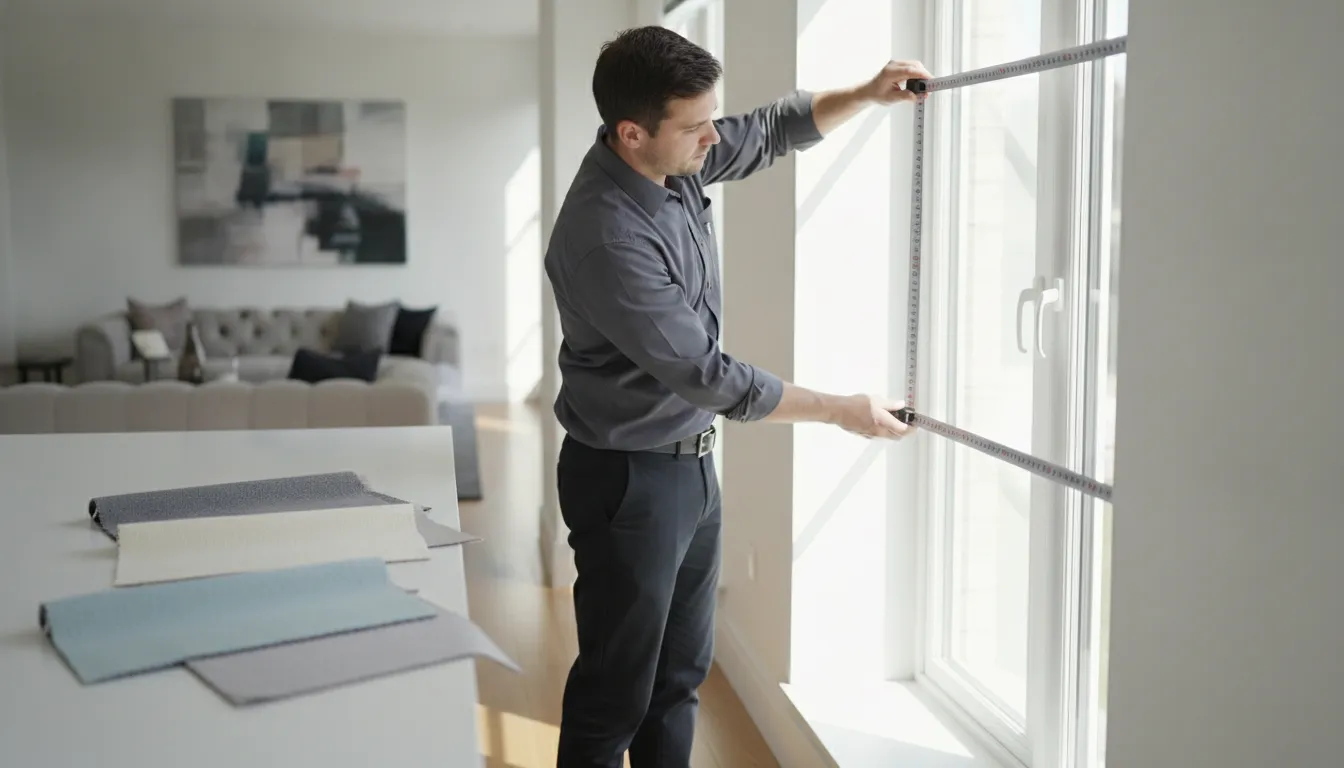
Why professional measuring improves the result
Small measurement errors can affect clearance, alignment, operation, and the amount of glass the shade covers. Professional measuring helps assess the opening and determine whether an inside or outside mount is practical before the product is ordered. Vineyard Blind & Shutter provides measuring, installation, and product guidance as part of its in-home process. You can request a free in-home consultation to compare samples in your actual room, review mounting conditions, and choose a treatment based on your window’s real constraints rather than a standard size.
Roller, Cellular, or Solar Shades: Which Fits Your Room?
These three shade categories can look similar at a glance, but they solve different room priorities. Compare the construction first, then decide whether your main concern is insulation, glare, daylight, privacy, or preserving an outside view. A shade that performs well for one window may not be the right answer for another.
Start with construction, not the label
Roller shades use a continuous fabric panel that rolls around a tube. Their performance depends on the selected fabric, backing, fit, mounting, and documented product specifications. The word “insulated” should not be treated as a universal promise, and cellular specifications must not be transferred to roller shades.
Cellular shades use honeycomb-shaped cells designed to trap air. That construction is why cellular products are discussed separately in the U.S. Department of Energy’s cellular-shades factsheet. Product construction and specifications still vary. For a closer look at that category, see this guide to honeycomb shades for insulation.
Match the shade to the room’s priority
| Shade type | Construction and best-fit priority | Light and view tradeoff | Questions to ask |
|---|---|---|---|
| Roller | Fabric panel on a tube. Useful when a clean profile, precise fabric choice, or simple operation leads the decision. | Varies by fabric opacity. More privacy or darkness can mean less daylight and a more limited view. | What does this fabric document about heat, glare, privacy, and light control? How will the fit and mounting affect the window? |
| Cellular | Honeycomb cells. Consider when the construction and documented insulating characteristics are central to the choice. | Available options can balance daylight and privacy differently. Review the actual product rather than assuming every cell behaves alike. | What cell construction and specifications apply to this product? Is the goal insulation, darkness, privacy, or a combination? |
| Solar | Screen-like fabric. Often considered for strong sun, glare, and rooms where maintaining a view is important. | Can manage brightness while preserving more outward visibility than an opaque option, but privacy and nighttime viewing require careful review. | How does the openness and fabric choice affect daytime glare, privacy, and the evening view? |
Ask for product-specific guidance
Motorization is available for most blind and shade product lines, which can help with convenient daily operation, but the exact option should be confirmed for the product selected. Bring the room’s direction, window size, desired view, and privacy needs into the conversation. The strongest comparison is based on the actual window and documented specifications, not on assigning cellular performance to roller shades or assuming a darker fabric automatically provides insulation.
How Should You Choose for Each Room and Window Orientation?
Start with the room’s main problem
A bedroom may need privacy, reduced morning brightness, and a fabric that supports comfortable sleep. A living room often needs a more balanced solution: control glare on the television, soften direct sun, and preserve a pleasant view when possible. In a home office, prioritize glare control at the desk and on screens, while still allowing useful daylight. For patio-facing windows or doors, consider frequent traffic, privacy after dark, and how easily the shade can be operated.
These goals do not automatically mean the same thing as insulation. A room-darkening fabric controls more light, but that alone does not prove a specific level of heat reduction. Ask for product documentation when thermal performance is central to your decision.
Pay attention to orientation and direct sun
Window direction changes when the strongest sunlight arrives. West-facing glass can receive intense afternoon sun, so glare and indoor comfort may become bigger concerns later in the day. South-facing windows may need a different balance of daylight and solar control, while a shaded north-facing window may place privacy and appearance higher on the list. The University of Maine notes that solar heat gain varies by window orientation in its discussion of exterior awnings, but those awning figures should not be transferred to roller shades. Use orientation as a reason to compare each window carefully, not as a promise of a particular result.
See samples in the space they will serve
Color, openness, privacy, and view can look different in a showroom than they do beside your own glass. Vineyard Blind & Shutter’s mobile showroom lets you review samples in your actual room lighting and decor. Professional measuring also helps assess inside- or outside-mount options and reduce measurement errors. During a free in-home consultation, the team can demonstrate products and discuss design recommendations for each room. For broader seasonal context, review these thermal window covering options, then confirm the selected roller shade’s specifications for your windows.
Frequently Asked Questions
Do insulated roller shades keep heat out in summer?
They can help limit solar heat and improve comfort, but results depend on the fabric, backing, window orientation, mounting, and how the shade is used. Treat “insulated” as a product description to investigate, not a guarantee. Ask for product-specific performance information rather than assuming every roller shade performs the same way.
What are the best blinds for keeping a room cool in a hot climate?
The best choice depends on the room’s priorities. A shade for a west-facing window may need stronger glare and sun control, while a bedroom may prioritize privacy and darker conditions. Compare fabric construction, opacity, fit, and operation for each window instead of choosing one treatment for the entire home.
What are the best roller blinds for sun protection?
Start by comparing light-filtering, room-darkening, and blackout fabrics. Light-filtering materials can soften glare while preserving some daylight. Darker light-control levels can reduce incoming light, but blackout or room-darkening alone does not prove that a shade provides a specific level of insulation or heat reduction.
Does professional measuring matter for summer comfort?
Yes. Accurate measurements help determine whether an inside or outside mount is appropriate and reduce unwanted gaps around the treatment. A professional can also look at the window, room conditions, and mounting options before you select a fabric or operating style. This helps connect the product choice to the actual window rather than a general promise.
Ready to Compare Roller Shade Options?
Choosing among insulated roller shades depends on your window fit, summer sun, desired light control, and privacy priorities. A professional review can help you compare those factors in the context of your actual rooms, rather than relying on a one-size-fits-all claim.